








Aesthetic treatments like CO2 lasers, chemical peels, and fillers can work wonders for your skin, helping to reduce signs of aging, improve texture, and enhance overall appearance. However, if you’re a smoker, the road to recovery can be much longer and bumpier. Smoking doesn’t just damage your lungs—it also significantly impacts your skin’s ability to heal after these procedures. The harmful chemicals in cigarettes, including nicotine and carbon monoxide, interfere with blood circulation, oxygen delivery, and collagen production, all of which are crucial for proper healing.
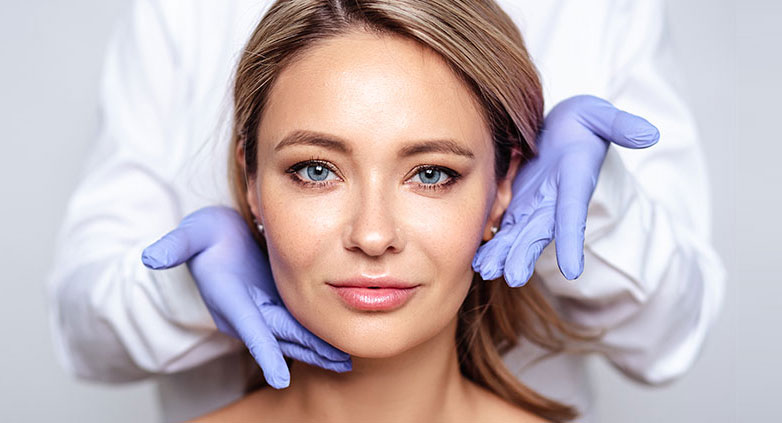
How Does Nicotine Affect the Skin’s Ability to Heal After an Aesthetic Treatment?
Nicotine is one of the most damaging substances for your skin’s healing process. When you smoke, nicotine causes vasoconstriction, a process where blood vessels narrow, significantly reducing blood flow. This lack of adequate blood supply means your skin cells receive less oxygen and fewer essential nutrients needed for recovery. As a result, wounds take longer to heal, and there is a higher risk of complications such as infections and prolonged redness.
Nicotine also disrupts the production of fibroblasts—cells responsible for creating collagen and elastin, which are essential for skin regeneration. When fibroblast activity is compromised, your skin struggles to repair itself effectively, leaving you with less satisfying results from your treatment.
- Impaired blood flow: Nicotine constricts blood vessels, limiting oxygen and nutrient delivery to the skin.
- Delayed collagen production: Reduced fibroblast activity slows down the rebuilding of the skin’s support structure.
- Increased inflammation: Nicotine can trigger inflammation, making post-treatment redness and swelling more severe.
Which Components of Tobacco Are the Most Harmful for Skin Recovery?
While nicotine is a significant culprit, tobacco smoke contains more than 4,000 chemicals, many of which directly interfere with skin recovery. These harmful substances can weaken your immune system, damage your skin’s protective barrier, and make you more susceptible to infections and complications.
- Carbon monoxide: Binds to hemoglobin more effectively than oxygen, depriving your skin cells of the oxygen they need to heal.
- Tar: Clogs pores and prevents your skin from expelling toxins effectively, leading to irritation and delayed healing.
- Acetone and ammonia: Strip away natural oils and damage the skin’s protective barrier, making it more prone to infection and dryness.
- Hydrogen cyanide: Interferes with collagen and elastin production, worsening skin laxity and delaying recovery.
Can Smoking After an Aesthetic Treatment Increase the Risk of Infections?
Yes, smoking can significantly elevate the risk of infections following an aesthetic treatment. Smoking weakens your immune system by reducing the effectiveness of white blood cells, which are vital for fighting off bacteria and preventing infections. Post-procedure wounds require a strong immune response to heal without complications. When you smoke, the toxic chemicals in cigarettes impair your immune system’s ability to respond quickly and efficiently.
Key risks include:
- Open wounds being more susceptible to bacteria: Treatments like CO2 lasers and chemical peels create micro-injuries that bacteria can exploit if your immune system is compromised.
- Slower scab formation: Reduced blood flow delays the natural wound-healing process, giving bacteria more time to invade.
- Increased inflammation: Smoking prolongs inflammation, creating an environment where bacteria can thrive.
What Is the Impact of Carbon Monoxide on the Skin’s Recovery Process?
Carbon monoxide is a particularly harmful component of cigarette smoke for your skin. When inhaled, carbon monoxide binds to hemoglobin in your blood more readily than oxygen does, effectively starving your skin of the oxygen it needs to heal. This lack of oxygen significantly delays wound healing, increases the risk of necrosis (tissue death), and makes your skin more prone to developing scars after treatments.
Impact of carbon monoxide includes:
- Reduced oxygen delivery: Less oxygen reaches the skin cells, slowing down the repair process.
- Compromised immune function: Lack of oxygen impairs white blood cells, making it harder to fight off infections.
- Increased risk of scarring: Poor oxygenation leads to irregular collagen formation, increasing the likelihood of hypertrophic and keloid scars.
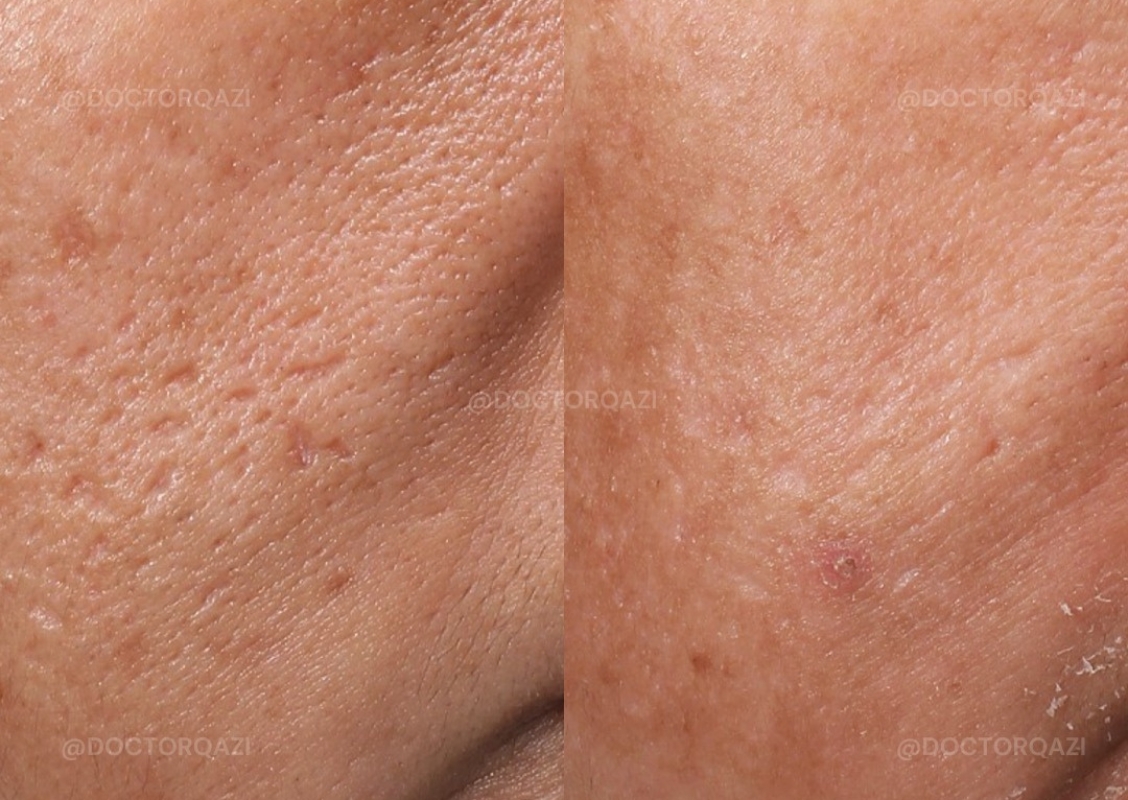
Why Do Smokers Experience More Inflammation and Redness After Procedures Like Laser or Chemical Peels?
Smokers often deal with more intense and prolonged inflammation and redness after treatments like lasers or chemical peels. This is primarily due to the pro-inflammatory chemicals in cigarettes that trigger your body’s inflammatory response. Smoking releases free radicals that damage skin cells and blood vessels, causing them to become more reactive and inflamed.
- Increased redness: Damaged blood vessels struggle to constrict and dilate properly, making redness more visible and lasting longer.
- Extended swelling: Poor circulation caused by smoking leads to fluid retention, which manifests as prolonged swelling.
- Free radical damage: Smoking increases oxidative stress, further aggravating inflammation and slowing down the healing process.
How Does Smoking Affect Collagen and Elastin Production After a Treatment?
Collagen and elastin are the proteins that keep your skin firm, smooth, and elastic. Smoking accelerates the degradation of these proteins by increasing the activity of matrix metalloproteinases (MMPs)—enzymes that break down collagen and elastin. As a result, your skin loses its ability to rebuild itself efficiently after treatments.
Key impacts on collagen and elastin include:
- Inhibited production: Smoking hampers fibroblast function, reducing collagen and elastin synthesis.
- Accelerated breakdown: Increased MMP activity breaks down existing collagen and elastin faster.
- Weaker skin structure: Without adequate collagen and elastin, your skin takes longer to recover and is more prone to sagging and wrinkling.
Convenient Virtual Consultations at Qazi Cosmetic Center
At Qazi Cosmetic Center, we make it easy for out-of-state patients to get expert advice without the hassle. Dr. Qazi offers virtual consultations that you can schedule effortlessly through doctorqazi.com, eliminating the need to call the office.
Many of our patients travel to Orange County for their treatments and return home the same day—no overnight stay required. Our clinic is just five minutes from John Wayne Airport, and the airport staff is familiar with assisting our patients, ensuring a smooth and efficient travel experience
Flexible Payment Plans at Qazi Cosmetic Center
At Qazi Cosmetic Center, we believe that everyone should have access to the best cosmetic treatments without financial stress. That’s why we offer flexible payment plans through CareCredit, Cherry, Alphaeon Credit, and Affirm, making it easier to fit your procedure into your budget.
With these financing options, you can break down the cost of your treatment into affordable monthly payments. Whether you’re looking for skin rejuvenation, acne scar treatments, or cosmetic enhancements, our goal is to help you achieve your desired results without upfront financial barriers. Our team is happy to assist you in finding the best payment plan for your needs—just ask during your consultation!
Contact Qazi Cosmetic Center
Smoking after an aesthetic treatment does more than just slow down healing—it can significantly alter your results, increase the risk of complications, and cause lasting damage to your skin. Quitting even for a few weeks before and after your procedure can make all the difference. If you’re looking for a way to enhance your recovery and results, consider putting down that cigarette—for good. Contact Qazi Cosmetic Center at (949)-336-7293 for more information.

Meet Dr. Nadir Qazi
While growing up in Chicago, I struggled for years with severe acne and scarring. Dealing with constant comments about my skin, especially from friends and family, wasn’t easy. That feeling of isolation and defeat hit me hard. Many around me were in the same position, yet there were very limited solutions available. This led me to determine my mission: to tirelessly build a unique medical practice where compassion meets science, providing proper care for every overlooked skin type and tone. At my Center, my team and I offer only clinically proven treatments that I have personally researched. My goal is to help others achieve their dreams, breaking free from the constraints of their physical appearance, and to be the support I needed the most.



