








As the sands of time sweep over us, they leave their traces on our skin, gradually diminishing its suppleness and allure. The ravages of age, coupled with environmental stressors, conspire to rob us of the smooth, vibrant complexion we once possessed. But fear not, for in the realm of modern dermatology, a powerful solution has emerged to combat these aging woes—chemical peel. At Qazi Cosmetic Center we can help you, schedule your consultation today or you can also call or text us at (949)-336-7293 for more information.
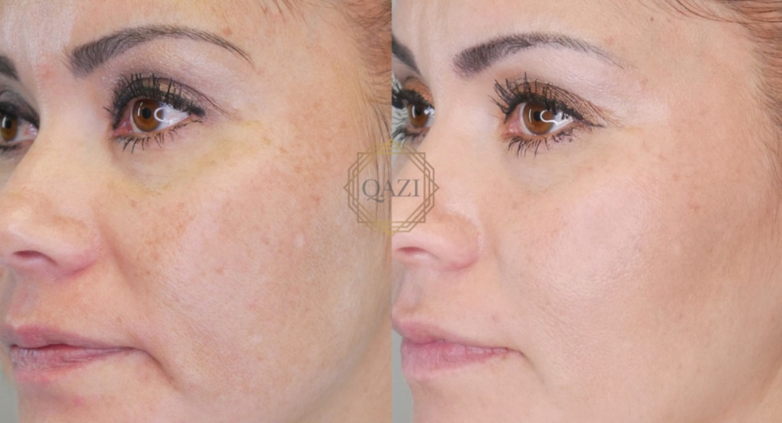
What Is A Chemical Peel
A chemical peel is a cosmetic dermatological procedure that involves the application of a chemical solution to the skin, typically on the face, neck, or hands. The purpose of a chemical peel is to exfoliate the outermost layer of skin, encouraging the shedding of dead and damaged skin cells and promoting the growth of new, healthier skin. This process leads to improved skin texture, tone, and overall appearance.
During a chemical peel, the chemical solution is carefully applied to the skin and left on for a specific duration, depending on the type and strength of the peel being used. The solution causes controlled damage to the skin, which prompts the body’s natural healing processes to kick in. As the damaged outer layer peels away, the skin beneath is revealed, often appearing smoother, fresher, and more youthful.
Chemical peel is commonly used to address a range of skin concerns, including:
- Wrinkles and Fine Lines: Chemical peels can help reduce the appearance of fine lines and wrinkles, especially those around the mouth and eyes.
- Acne and Acne Scars: Chemical peels are effective in treating acne and reducing the appearance of acne scars by removing the top layer of damaged skin and unclogging pores.
- Hyperpigmentation and Discoloration: Chemical peels can help lighten areas of uneven pigmentation, such as sunspots, age spots, and melasma.
- Uneven Skin Texture: Peels can improve the skin’s texture by promoting the growth of new collagen and elastin fibers.
- Sun Damage: Chemical peels can address sun-damaged skin by removing the outer layer and revealing fresher, less sun-damaged skin beneath.
- Uneven Skin Tone: Peels can help even out skin tone by reducing the appearance of redness and improving overall complexion.
- Scars and Blemishes: Chemical peels can diminish the appearance of certain types of scars, such as those caused by acne or injuries.
There are different types of chemical peels available, ranging from superficial peels (which target the outermost layer of skin) to medium and deep peels (which penetrate deeper into the skin). The choice of peel depends on the specific skin concerns and the desired level of improvement.
It’s important to note that chemical peels should be performed by trained professionals, such as dermatologists or licensed estheticians, to ensure the procedure is carried out safely and effectively. The type of peel, the concentration of the chemical solution, and the aftercare instructions will be tailored to each individual’s skin type and needs.
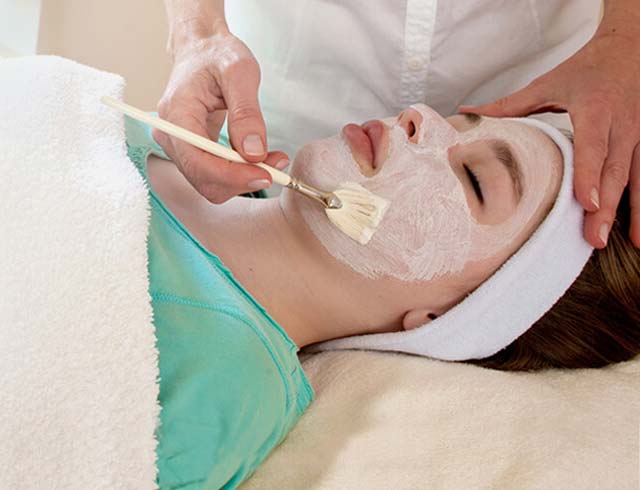
Targeting Acne Scars with Chemical Peel
Chemical peels can help improve the appearance of acne scars through controlled exfoliation and skin regeneration. They work by removing the damaged outer layers of the skin, encouraging the growth of new, healthier skin cells. Here’s how chemical peels help with acne scars:
- Exfoliation: Chemical peels use various acids, such as glycolic acid, salicylic acid, and trichloroacetic acid (TCA), to break down the bonds between dead skin cells on the surface of the skin. This exfoliation process helps to remove the top layers of damaged skin, which may include areas of uneven texture and superficial acne scars.
- Stimulation of Collagen Production: Some chemical peels, especially medium to deep peels, penetrate deeper into the skin layers. This penetration triggers the skin’s natural wound healing response, leading to the production of new collagen and elastin fibers. Collagen is essential for maintaining skin’s structural integrity and can help improve the appearance of indented or atrophic acne scars.
- Reduction of Hyperpigmentation: Chemical peels can help fade post-inflammatory hyperpigmentation (PIH), which is the dark discoloration that often accompanies acne scars. By exfoliating the top layers of the skin, peels can encourage the shedding of hyperpigmented cells and promote the growth of new, more evenly pigmented skin.
- Improvement of Skin Texture: Chemical peels can smooth out the skin’s texture by reducing the appearance of shallow acne scars and fine lines. As new skin cells regenerate, the skin’s surface becomes smoother and more even.
- Enhanced Absorption of Skincare Products: After a chemical peel, the newly exposed skin is more receptive to skincare products. This can enhance the effectiveness of topical treatments, such as serums and creams, that are used to target acne scars.
- Overall Skin Rejuvenation: Chemical peels not only target specific acne scars but also contribute to overall skin rejuvenation. The exfoliation and collagen stimulation benefits can lead to a fresher, more youthful appearance.
It’s important to note that the effectiveness of chemical peels for acne scars can vary based on factors such as the type of scars, their depth, your skin type, and the type of peel used. Deeper scars might require more aggressive treatments, and multiple sessions might be necessary to achieve the desired results. Consulting with a dermatologist or skincare professional is essential to determine the most appropriate approach for your individual case.
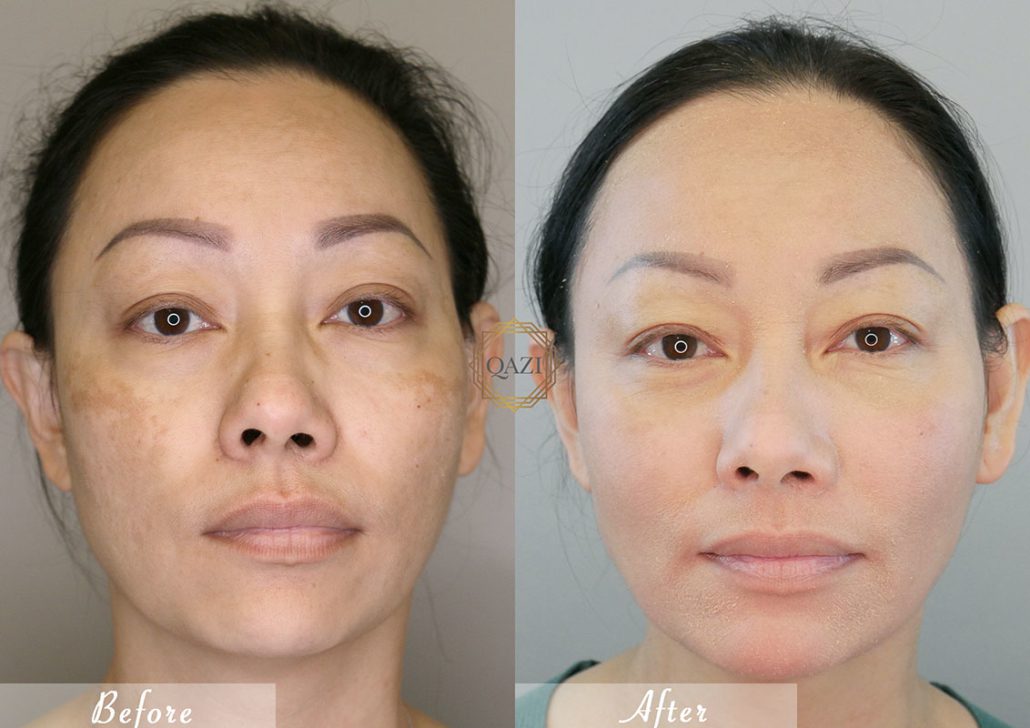
Chemical Peel Benefits
Chemical peels are cosmetic procedures that involve applying a chemical solution to the skin to exfoliate and improve its appearance. There are several benefits associated with chemical peels, depending on the type and strength of the peel used. Here are some common benefits:
- Skin Exfoliation: Chemical peels remove the outermost layer of dead skin cells, promoting a smoother and more even skin texture.
- Improvement of Skin Tone and Clarity: Peels can help reduce the appearance of uneven skin tone, hyperpigmentation, and sunspots, leading to a brighter and more radiant complexion.
- Reduction of Fine Lines and Wrinkles: Certain chemical peels can stimulate collagen production, which can help improve the appearance of fine lines and wrinkles over time.
- Acne Treatment: Chemical peels can be effective in treating certain types of acne by exfoliating the skin, unclogging pores, and reducing inflammation.
- Reduction of Pore Size: Peels can help minimize the appearance of enlarged pores by removing debris and oils that can lead to pore congestion.
- Treatment of Skin Imperfections: Chemical peels can address various skin imperfections such as age spots, freckles, and melasma.
- Improved Skin Texture: Peels can promote a smoother skin texture by removing rough and uneven outer layers.
- Enhanced Absorption of Skincare Products: After a chemical peel, the skin’s barrier function is temporarily compromised, allowing skincare products to penetrate more effectively and deliver better results.
- Boosted Self-Confidence: Many people experience an improved sense of self-confidence and self-esteem after undergoing a chemical peel and seeing positive changes in their skin’s appearance.
- Minimal Downtime: Depending on the depth and strength of the peel, there can be minimal downtime, especially with lighter peels. Deeper peels may require more recovery time but can offer more significant results.
It’s important to note that while chemical peels can offer numerous benefits, they may not be suitable for everyone. Consultation with a qualified dermatologist or skincare professional is essential to determine the most appropriate type of peel for your skin type, concerns, and goals. Additionally, proper skincare and sun protection following a chemical peel are crucial to maintain the results and prevent potential complications.
Phenol Peel
A phenol peel, also known as a phenol chemical peel or deep chemical peel, is a type of chemical peel that uses a strong chemical solution containing phenol to deeply exfoliate the skin. It’s considered one of the most aggressive and potent types of chemical peels, typically used to treat severe skin conditions and achieve dramatic skin rejuvenation. Phenol peels are usually performed by dermatologists or experienced medical professionals due to their intensity and potential risks.
Here are some key characteristics and benefits of a phenol peel:
- Depth of Penetration: Phenol peels penetrate deeply into the skin, targeting the dermis—the second layer of skin beneath the outermost layer (epidermis). This depth allows them to address more significant skin concerns, such as deep wrinkles, severe sun damage, and scars.
- Skin Rejuvenation: Phenol peels can lead to substantial skin rejuvenation by significantly improving skin tone, texture, and elasticity. They are particularly effective at reducing the appearance of deep wrinkles and fine lines.
- Treatment of Skin Imperfections: Phenol peels can effectively address various skin imperfections, including deep wrinkles, blotchiness, freckles, age spots, and certain types of scars.
- Stimulation of Collagen Production: Phenol peels stimulate collagen production in the treated areas, which can help improve skin elasticity and firmness over time.
- Significant Downtime: Due to the depth of the peel, the recovery time after a phenol peel is longer compared to milder peels. Patients may experience redness, swelling, and crusting for several days to weeks. The skin will also need time to heal and regenerate, which can take several weeks to months.
- Sun Sensitivity: After a phenol peel, the skin becomes highly sensitive to the sun. It’s crucial to follow strict sun protection measures and avoid sun exposure to prevent complications and maintain the results.
- Consultation and Professional Guidance: Phenol peels are not suitable for all skin types and conditions. A thorough consultation with a qualified dermatologist or medical professional is necessary to assess whether this type of peel is appropriate for your skin and concerns.
- Potential Risks: Phenol peels carry higher risks compared to milder peels. These risks can include changes in skin pigmentation, scarring, and the possibility of skin lightening in treated areas. Therefore, it’s important to be well-informed about the potential risks and benefits before undergoing the procedure.
Due to the intense nature of phenol peels and the potential for complications, they are generally reserved for patients with severe skin concerns and are not commonly performed for cosmetic purposes alone. If you’re considering a phenol peel, it’s crucial to consult with a qualified medical professional who can provide personalized advice based on your skin type, concerns, and medical history.
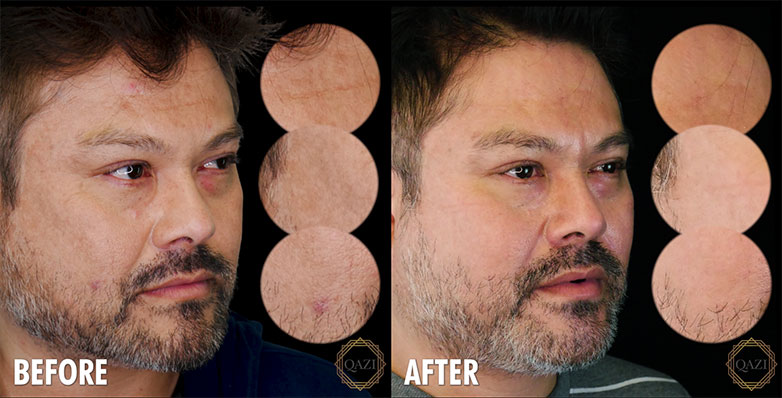
Chemical Peel Before and After
Before the Chemical Peel:
- Consultation: Before getting a chemical peel, it’s essential to have a consultation with a qualified dermatologist or skincare professional. During this consultation, you’ll discuss your skin concerns, goals, medical history, and any potential contraindications to determine the appropriate type and strength of chemical peel for your skin type and needs.
- Preparation: Depending on the type of peel you’ll be receiving, your skincare professional might recommend a pre-peel regimen. This could involve using certain skincare products to prepare your skin, avoiding sun exposure, and discontinuing the use of certain medications that could interfere with the peel.
- Skin Assessment: Your skincare professional will assess your skin’s condition, noting any specific areas of concern, such as acne, wrinkles, pigmentation issues, or scars. They will also explain what you can expect from the procedure and discuss potential risks and benefits.
During the Chemical Peel:
- Cleansing: The procedure begins with thorough cleansing of your skin to remove any makeup, oils, or dirt.
- Application of Chemical Solution: The chemical solution, tailored to your skin’s needs, is carefully applied to your skin using a brush or cotton pad. The solution is left on for a specific amount of time, which varies based on the type and strength of the peel.
- Sensation: You may experience a sensation during the peel, which can range from mild tingling to a more intense burning or stinging sensation. Your skincare professional may use cooling methods to help alleviate discomfort.
- Neutralization (if applicable): Depending on the type of peel, the chemical solution may be neutralized with water or a neutralizing solution to stop its effects.
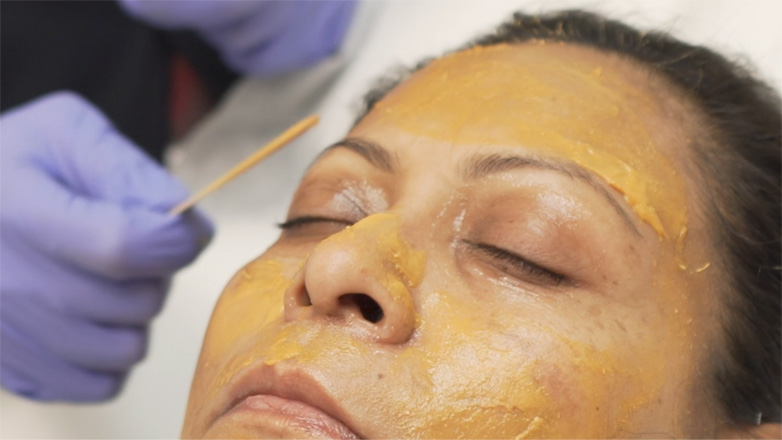
After the Chemical Peel:
- Immediate Effects: After the peel, your skin might appear red, and there may be some mild swelling or tightness. The degree of these effects depends on the type of peel you received.
- Peeling and Flaking: In the days following the peel, your skin will likely start to peel or flake. This is part of the exfoliation process as the old, damaged skin layers shed to reveal fresher, younger-looking skin underneath. The extent of peeling depends on the depth of the peel.
- Post-Peel Care: Your skincare professional will provide specific post-peel care instructions. This typically includes using gentle cleansers and moisturizers, avoiding harsh skincare products, protecting your skin from the sun, and possibly using prescribed creams to aid in the healing process.
- Recovery Time: The recovery period varies based on the type of peel. Superficial peels might have minimal downtime, while deeper peels like phenol peels could require several weeks of healing time.
- Results: As your skin heals, you’ll notice improvements in texture, tone, and possibly a reduction in imperfections like fine lines, wrinkles, and pigmentation issues. These results can continue to improve over the following weeks to months.
- Maintenance and Follow-Up: Depending on the depth of the peel and your skin’s needs, your skincare professional might recommend a series of peels for optimal results. Additionally, maintaining a consistent skincare routine and sun protection is crucial to sustain the benefits of the peel.
Remember, individual experiences can vary, and it’s important to follow your skincare professional’s advice and instructions throughout the entire process to ensure the best possible outcomes.
Contact Qazi Cosmetic Center Today
Factors such as skin type and desired outcomes inform the decision-making process. As a time-honored remedy for skin revitalization, chemical peels continue to offer a reliable avenue toward achieving smooth, radiant skin.
In the panorama of dermatology, where innovations abound, chemical peels stand as a venerable beacon of hope. Anchored in science, driven by expertise, and customized for diverse skin tones, chemical peels usher in an era where age becomes just a number, and skin attains a timeless allure. Schedule your consultation today by clicking here, or you can also call or text us at (949)-336-7293.

Meet Dr. Nadir Qazi
While growing up in Chicago, I struggled for years with severe acne and scarring. Dealing with constant comments about my skin, especially from friends and family, wasn’t easy. That feeling of isolation and defeat hit me hard. Many around me were in the same position, yet there were very limited solutions available. This led me to determine my mission: to tirelessly build a unique medical practice where compassion meets science, providing proper care for every overlooked skin type and tone. At my Center, my team and I offer only clinically proven treatments that I have personally researched. My goal is to help others achieve their dreams, breaking free from the constraints of their physical appearance, and to be the support I needed the most.



