








I’m Dr. Qazi, a skin restoration specialist based in Newport Beach, California. My focus is primarily on treating acne scars, pigmentation issues, and facial balancing. Today, I want to take you through one of the most transformative treatments I offer: phenol peels. This isn’t just about sharing information—it’s about helping you understand whether this treatment could be the right choice for your skin concerns.
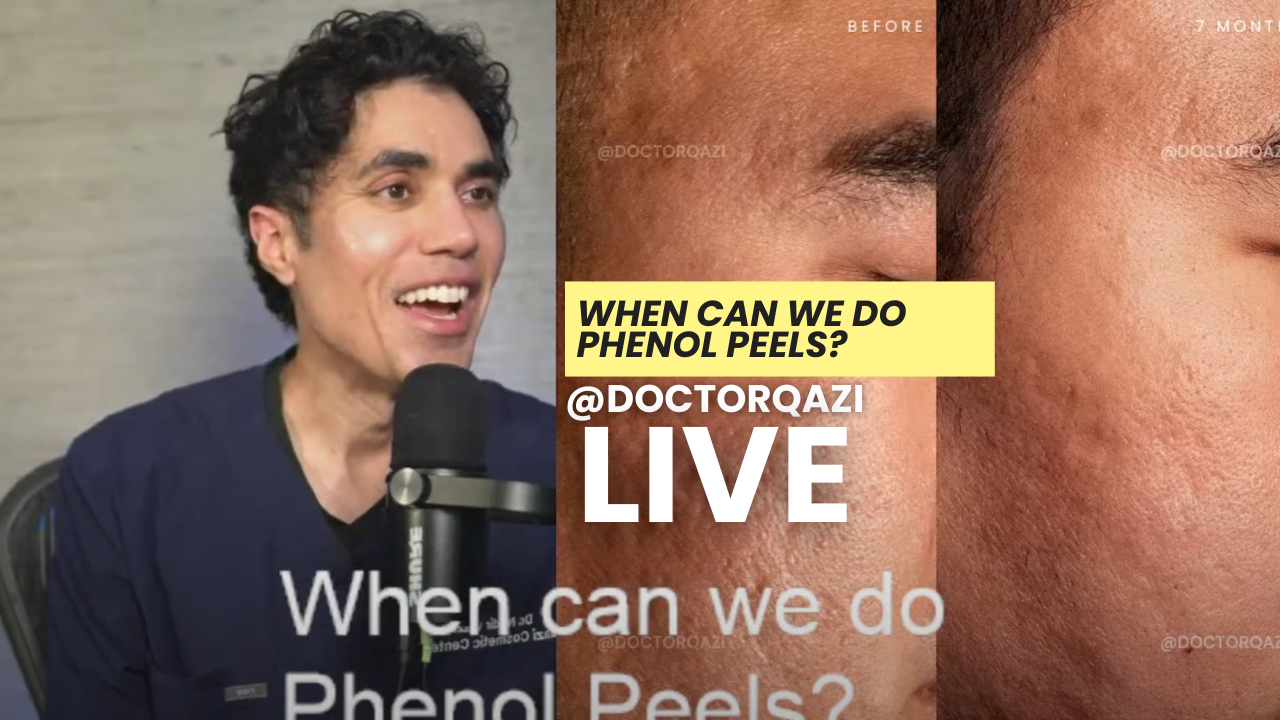
Recently, I had an incredible case that reminded me why I love what I do. A patient drove 26 hours (!) to visit my office for a phenol peel. He was dealing with acne scars but also wanted anti-aging benefits. After seeing his progress over several months, I can confidently say we’re achieving amazing results. But before you jump into considering this treatment, let me walk you through everything you need to know.
Who Is a Good Candidate for Phenol Peels?
Not everyone is a candidate for phenol peels, and that’s okay. There are four key factors I consider when determining if someone should proceed:
- Type of Scars : Phenol peels work exceptionally well for boxcar scars or thicker scars. If you have ice pick scars, we might combine it with other treatments like subcision or TCA Cross.
- Skin Type : Fitzpatrick skin types 1–4 tend to respond better to phenol peels. Darker skin tones carry a higher risk of hypopigmentation or hyperpigmentation.
- Lifestyle : Are you indoors most of the time? Or do you spend hours outside exposed to the sun? Sun exposure post-treatment can significantly delay healing and increase risks.
- Ethnicity : Some ethnicities heal differently. For example, Asian patients often experience prolonged redness (up to 3–6 months) compared to lighter-skinned individuals.
For instance, the patient I mentioned earlier is of Asian descent. His recovery timeline included two months of redness, which is relatively short for someone with his background. However, others may take longer—sometimes up to a year—if they aren’t careful about sun protection.
What Happens During a Phenol Peel Procedure?
Let me break down how I perform phenol peels step by step:
Step 1: Preparation
Before anything else, I ensure the patient is fully prepared. This means checking their heart health via blood work and EKGs. Cardiac toxicity is a real concern with phenol peels, so safety is non-negotiable. Additionally, I always have a board-certified anesthesiologist present during the procedure. Why? Because monitoring the heart and ensuring comfort requires undivided attention.
Step 2: The Peel Itself
On Day 1, I apply the phenol solution to the skin in sections. By dividing the face into quadrants, I control the depth and timing of the peel, allowing the chemical to clear from the system safely.
Step 3: Dermabrasion
On Day 2, I follow up with dermabrasion. This mechanical process breaks down scar walls further, enhancing the overall effectiveness of the treatment. We then apply a bit more phenol to target deeper layers of the dermis.
This two-step approach allows us to achieve profound results while minimizing risks.
Recovery Timeline and Realistic Expectations
One thing I emphasize with every patient is setting realistic expectations. While some clinics showcase “perfect” results within weeks, those images often include micro-swelling or temporary improvements. The truth is, collagen production takes time.
Here’s what you can expect:
- Immediate Post-Treatment : Your skin will look raw and red. Think of it as a controlled injury designed to stimulate healing.
- First Few Weeks : Swelling subsides, but redness persists. For Asian patients, this phase can last anywhere from 2–6 months.
- Six Months Out : Collagen remodeling begins, and scars start softening.
- Full Results : Around 12–18 months, you’ll see the final outcome. Patience is crucial here.
In the case of my recent patient, he saw significant improvement after seven months, and he continues to improve even now. Remember, perfection isn’t the goal; natural, subtle enhancement is.
Risks and Precautions
As much as I believe in the power of phenol peels, I’d be remiss not to discuss the risks:
- Cardiac Toxicity : As mentioned earlier, phenol affects electrolyte balance and heart function. That’s why thorough pre-screening and professional supervision are mandatory.
- Pigmentation Changes : Hypopigmentation (loss of color) and hyperpigmentation (darkening) are possible, especially in darker skin tones.
- Redness and Sensitivity : Prolonged redness is common, particularly among Asian patients. Sun exposure exacerbates this issue.
- minimal downtime: You’ll need at least 12 days off work to recover properly. Skipping this rest period can jeopardize your results.
To mitigate these risks, I provide strict aftercare instructions. Patients wear protective masks, avoid sunlight entirely, and stay hydrated. Compliance is critical.
Combining Treatments for Optimal Results
Rarely does a single treatment solve all concerns. In many cases, I recommend combining procedures for the best outcomes. For example:
- Subcision + Phenol Peel : Subcision lifts depressed scars before applying the peel, ensuring deeper penetration.
- TCA Cross : For stubborn ice pick scars, TCA Cross complements phenol beautifully.
- Volume Replacement : Fillers like Sculptra or Bellafill help restore lost volume, creating smoother contours.
My philosophy is simple: Use the right tools for each unique situation. Whether it’s lasers, fillers, or peels, the goal is always to deliver the highest quality care tailored to you.
Cost and Commitment
Phenol peels cost around $9,000 with anesthesia—but they’re worth it for the right candidates. Keep in mind, though, that success depends heavily on preparation. Before undergoing any scar treatment, I advise getting acne under control. Excessive oil production or active breakouts interfere with collagen stimulation.
Additionally, lifestyle adjustments play a role. Smoking, alcohol consumption, and poor dietary habits hinder healing. To optimize your skin’s response, I recommend incorporating zinc oxide, omega-3 supplements, and avoiding inflammatory foods like dairy. Hydration is equally important. Healthy skin heals faster and produces better results.
Addressing Common Questions
Over the years, I’ve fielded countless questions about phenol peels. Let me address a few recurring ones:
- Thoughts on Mouth Taping?
Mouth taping encourages nasal breathing, which improves oxygen intake and reduces anxiety. Many people unknowingly breathe through their mouths, leading to sleep disturbances and other issues. - How Long Does It Take to Get Back to Work from Phenol?
You’ll need about 12 days off work to recover properly. This minimal downtime is essential to ensure complete healing and minimize complications. - What Are the Risks of Phenol Peel?
The primary risks include cardiac toxicity, pigmentation changes (hypopigmentation or hyperpigmentation), prolonged redness, and sensitivity to sun exposure. These risks underscore the importance of thorough pre-screening and adherence to aftercare guidelines. - How Long Is the Healing Time Typically?
Most patients heal within 12 days, but redness can persist for 3–6 months, especially among Asian patients. Sun exposure can extend this timeline to a year or more. - Can You Get Subcision and Phenol While on Isotretinoin?
While subcision can be performed while on isotretinoin, phenol peels should wait until you’ve been off the medication for several months. The main concern is increased sun sensitivity, which can complicate healing. - Can Subcision Be Done More Than Once?
Ideally, subcision is done only once because it’s an invasive procedure. Performing it multiple times increases the risk of complications. - Can You Do Phenol Peel on Just the Scars?
Focal treatments like phenol cross can target individual scars, but full-face peels ensure even skin tone. Uneven application can lead to mismatched pigmentation. - Is Phenol Peel Riskier for Younger or Older Patients?
Age itself isn’t a limiting factor. What matters is overall health, skin type, and suitability for the procedure. - Do You Do General Anesthesia or Local Anesthesia for Phenol Peel?
I use IV sedation combined with local anesthesia. General anesthesia is rarely necessary but can be arranged upon request. - I Have Really Bad Hyperpigmentation from Acne on My Back. How Do I Get Rid of It?
For severe hyperpigmentation, I recommend treatments like the Pico laser, which has a lower risk of rebound pigmentation. - Is It True That Asian Patients Cannot Do Phenol Peel?
Asian patients can undergo phenol peels, but they must meet specific criteria. Modified phenol peels, combined with meticulous aftercare, can yield excellent results. - Do You Provide Any Fellowships?
Yes, I’ve trained dermatology residents and fellows in the past. If you’re interested, reach out to discuss potential opportunities. - Is There Anything You Could Do for PIE While on High Dose of Accutane?
Low-energy, low-heat treatments like XLV may be safe, but it depends on your dosage and skin condition. Consultation is key. - Risks with Fat Transfers?
Fat transfers carry a mild risk of adhesions. Combining fat transfer with subcision simultaneously is risky and can lead to uneven results. - Radiesse or Bellafill?
Both are excellent options. Radiesse provides temporary volume, while Bellafill offers long-term support due to its PMMA component. - How Long Should You Continue to Use Silicone Tape After Treatment?
For thick edges or scars, silicone tape can be used for 3–6 months. It helps soften the skin and prevent recurrence of thickened areas.
Final Thoughts
Phenol peels represent one of the most powerful tools in my arsenal for treating severe scarring and aging concerns. They require commitment, patience, and trust in the process. But when done correctly, the results speak for themselves.
If you’re considering this treatment—or any other—I encourage you to consult with a qualified specialist who prioritizes your safety and satisfaction. And remember, skincare isn’t just about vanity; it’s about confidence, self-expression, and feeling comfortable in your own skin.
Thank you for reading, and feel free to reach out if you have questions. Together, let’s create a future where everyone feels empowered to embrace their beauty.
Contact My Team Today
If you’re considering treatment, I encourage you to research thoroughly, ask questions, and choose a practitioner who prioritizes your long-term skin health over quick fixes. Your skin deserves nothing less than the safest, most effective care available.
Visit doctorqazi.com to self-schedule a consultation. You can also call/text us at 949-336-7293 for more information.

Meet Dr. Nadir Qazi
While growing up in Chicago, I struggled for years with severe acne and scarring. Dealing with constant comments about my skin, especially from friends and family, wasn’t easy. That feeling of isolation and defeat hit me hard. Many around me were in the same position, yet there were very limited solutions available. This led me to determine my mission: to tirelessly build a unique medical practice where compassion meets science, providing proper care for every overlooked skin type and tone. At my Center, my team and I offer only clinically proven treatments that I have personally researched. My goal is to help others achieve their dreams, breaking free from the constraints of their physical appearance, and to be the support I needed the most.



