








I’m Dr. Qazi, and if you’re reading this, chances are you’re struggling with oily skin or know someone who is. As a skin restoration specialist based in Newport Beach, California, I’ve dedicated my career to helping patients tackle issues like acne, scarring, pigmentation, and facial balancing. But tonight, we’re diving deep into one of the most common concerns I hear about—oily skin—and how you can manage it effectively at home and with professional treatments.
Over the years, I’ve learned that oily skin isn’t just an aesthetic issue; it plays a significant role in how your skin ages, heals, and even responds to treatments. So let’s break down everything from diet tweaks to advanced laser therapies so you can take control of your skin health today.
Why Oily Skin Happens
First things first: why does oily skin happen? Many people think excess oil means their skin will age gracefully, but that couldn’t be further from the truth. While some oil is essential for maintaining hydration and elasticity, too much oil can actually hinder collagen production due to inflammation. This leads to premature aging, enlarged pores, and stubborn scars that refuse to fade.
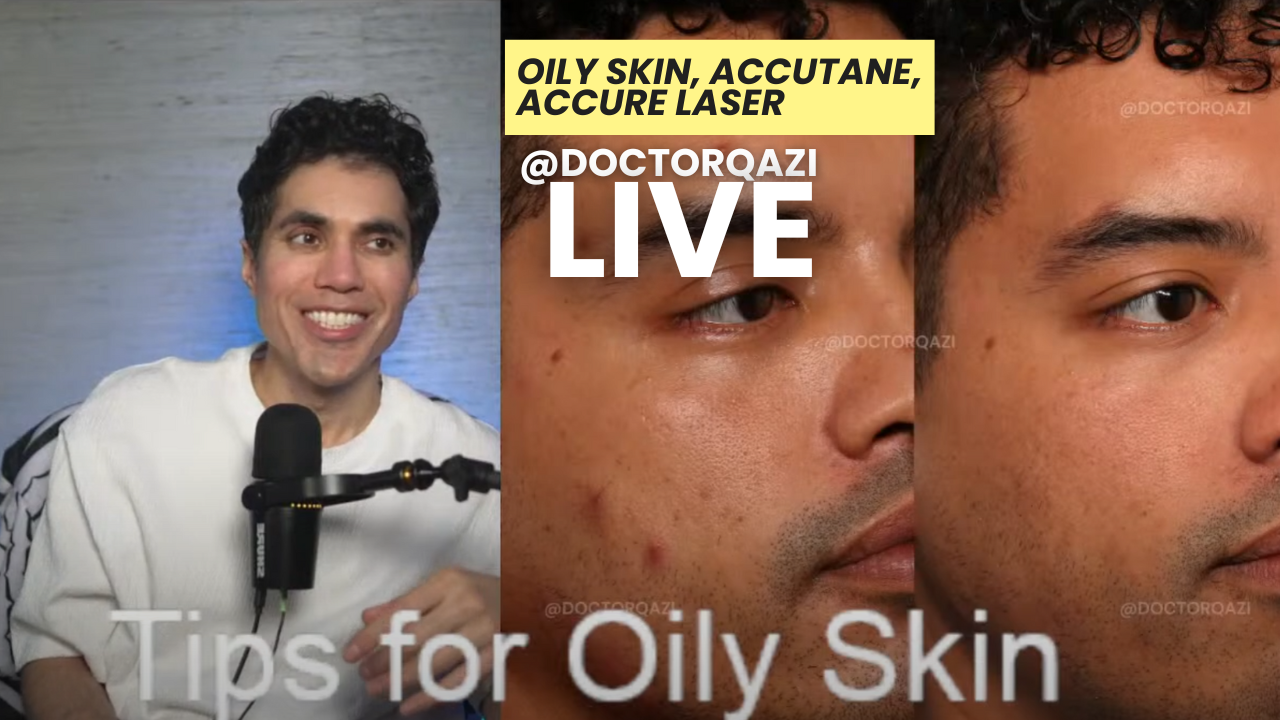
I often see patients who feel “drenched” in sweat and oil, especially during summer months. One patient comes to mind—a gentleman whose acne was mild, but his excessive oil production made him self-conscious. After treating him with The Accure Laser , not only did his oil levels normalize, but he also looked more youthful overall. People were shocked by the transformation because they assumed oil equaled healthy skin. Spoiler alert: balance is key!
Step 1: Start With Your Diet
If you’re dealing with oily skin, the easiest place to start is your diet. Yes, what you eat directly impacts your skin’s behavior. For example, cow’s milk has been linked to increased oil production and acne flare-ups. Why? Dairy contains hormones that stimulate sebum (oil) production. If you’re chugging multiple glasses of milk daily, consider cutting back—or eliminating it entirely—and see how your skin reacts.
Another tip? Keep a food journal. It sounds simple, but tracking what you eat and observing changes in your skin can reveal surprising triggers. A patient once discovered that salty tortilla chips caused her oil glands to go into overdrive. Once she eliminated them, her complexion improved dramatically.
Hydration is another critical factor. Believe it or not, dehydration can lead to more oil production as your body tries to compensate. So drink plenty of water throughout the day, and avoid overly hot showers, which strip your skin of natural moisture.these methods, we addressed both the superficial and underlying causes of the scars, ensuring holistic improvement.
Step 2: Topical Treatments That Work
Once you’ve addressed lifestyle factors, it’s time to incorporate topical treatments. Retinoids are my go-to recommendation for managing oil production. Products like tretinoin or over-the-counter options such as adapalene work wonders when used consistently. These ingredients regulate cell turnover, prevent clogged pores, and reduce oiliness over time.
Here’s the catch: retinoids require patience. You won’t see results overnight—it usually takes about three months to notice improvements. To minimize irritation, mix tretinoin with a moisturizer during the first few weeks. And don’t forget sunscreen! Retinoids make your skin more sensitive to UV rays, so protection is non-negotiable.
For those hesitant to try tretinoin due to fears of purging, rest assured that most patients don’t experience severe reactions. Pairing it with omega-3 supplements, zinc, and antihistamines like Claritin can help ease the transition.
Step 3: Oral Medications and Hormonal Solutions
Sometimes, topical treatments aren’t enough. In these cases, oral medications may be necessary. For women, hormonal contraceptives containing both estrogen and progesterone can stabilize oil production, particularly if acne flares coincide with menstrual cycles. Spironolactone is another excellent option—it blocks DHT, a hormone responsible for excess oil production. Bonus: it’s cardioprotective, meaning it supports heart health in the long run.
Men, unfortunately, aren’t candidates for spironolactone due to the risk of gynecomastia (breast tissue growth). However, low-dose isotretinoin (Accutane) remains a powerful tool for controlling severe oiliness and acne.
Advanced Treatments: When Home Remedies Aren’t Enough
If you’ve tried everything and still struggle with oily skin, it might be time to explore advanced treatments. The Accure Laser has revolutionized how we treat hyperactive oil glands. By targeting sebaceous glands without damaging surrounding tissue, this laser reduces oil production while promoting smoother, clearer skin.
For deeper concerns like rolling scars or tethered scar tissue, subcision is a game-changer. During this procedure, I use specialized tools to break up fibrous bands pulling down on the skin. Patients often describe feeling immediate relief, as though years of tension have been released.
Common Questions About Oily Skin and Scarring
Let me address some frequently asked questions:
“Will scars re-tether after subcision?”
Rarely. Proper technique ensures lasting results, though individual healing varies.
“What oils should I use for gua sha?”
Honestly, adding oil to already oily skin won’t solve the problem. Instead, focus on hydrating products that replenish your skin barrier without clogging pores.
“Can beef tallow help with acne-prone skin?”
Some swear by it, but I remain skeptical. Anecdotal evidence suggests mixed results, and I prefer scientifically backed solutions.
“How do I get rid of blackheads?”
Salicylic acid is your best friend here. For persistent cases, laser hair removal can target trapped follicles contributing to congestion.
Final Thoughts
Managing oily skin requires a holistic approach. From tweaking your diet to exploring cutting-edge treatments, every step brings you closer to achieving balanced, radiant skin. Remember, consistency is key—whether you’re applying retinoids nightly or committing to follow-up appointments post-laser therapy.
And hey, if you’re unsure where to start, don’t hesitate to reach out. I’m always here to guide you through your skincare journey. Together, we’ll find the perfect solution tailored to your unique needs.
Visit doctorqazi.com to schedule a consultation, whether virtual or in-person. Together, we’ll map out a plan tailored to your unique needs and aspirations.

Meet Dr. Nadir Qazi
While growing up in Chicago, I struggled for years with severe acne and scarring. Dealing with constant comments about my skin, especially from friends and family, wasn’t easy. That feeling of isolation and defeat hit me hard. Many around me were in the same position, yet there were very limited solutions available. This led me to determine my mission: to tirelessly build a unique medical practice where compassion meets science, providing proper care for every overlooked skin type and tone. At my Center, my team and I offer only clinically proven treatments that I have personally researched. My goal is to help others achieve their dreams, breaking free from the constraints of their physical appearance, and to be the support I needed the most.



