








Dark circles under the eyes are a common concern for many people, often making us look tired, aged, or stressed. But why do they appear? Are they something you’re born with, or can they develop as you get older? In this article, we’ll explore the causes behind dark circles, whether they’re inherited or develop over time, and how you can address them effectively.
Are Dark Circles Permanent?
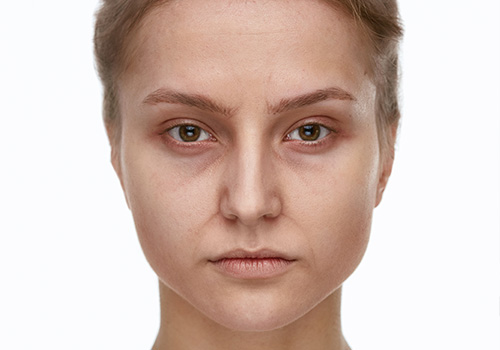
Whether dark circles are permanent or not depends largely on the cause. If your dark circles are due to genetics, they may be more persistent but can still be managed with treatments. However, if they are caused by lifestyle factors such as lack of sleep or poor hydration, they may be temporary and can improve with changes in habits.
What Causes Dark Circles?
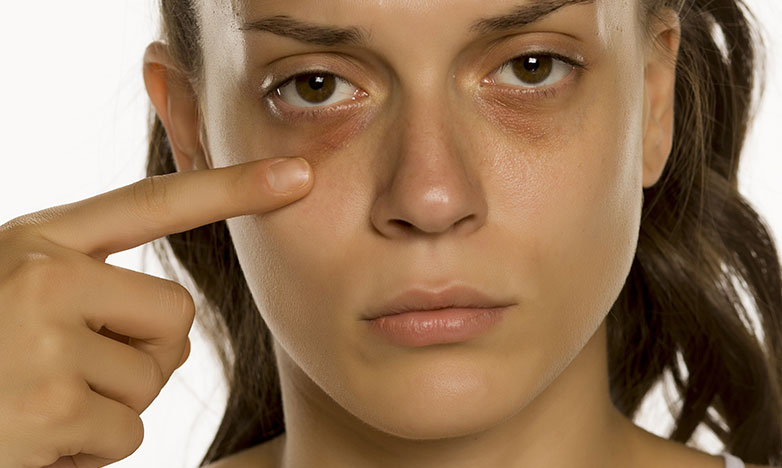
They are typically caused by a combination of factors, including genetics, lifestyle habits, aging, and even health conditions. The skin around the eyes is delicate and thinner than other areas, making blood vessels and dark pigmentation more noticeable. Here’s a breakdown of the main causes:
1. Genetics (Inherited)
If your parents or close family members have dark circles, there’s a higher chance that you may develop them too. This hereditary trait is often due to the structure of your skin, the thickness of the skin around your eyes, or the natural prominence of the blood vessels under the skin. In these cases, dark circles may be more pronounced due to the genetics you’ve inherited.
- Thin skin: Some individuals naturally have thinner skin under the eyes, making blood vessels more visible.
- Inherited pigmentation: Darker skin types may be prone to increased melanin production in the under-eye area, leading to pigmentation issues.
2. Aging
As you age, your skin loses collagen and elasticity, causing it to thin. The skin around your eyes is particularly sensitive to this change. With less collagen, blood vessels become more noticeable, and the area may appear darker.
- Loss of volume: As skin loses volume, dark circles can become more prominent.
- Fat displacement: The fat that cushions the under-eye area may shift over time, creating hollow spaces that cast shadows and enhance the appearance of dark circles.
3. Lifestyle Factors
Certain habits and lifestyle choices can contribute to the development of dark circles over time:
- Lack of sleep: Sleep deprivation can cause blood vessels to dilate, resulting in dark, puffy under-eye bags.
- Stress: Chronic stress can lead to poor circulation and the appearance of dark circles.
- Diet: A poor diet, especially one lacking in essential vitamins, can affect your skin’s health and exacerbate dark circles.
- Dehydration: When your body is dehydrated, your skin becomes dry and more prone to showing dark circles.
- Allergies: Allergic reactions can lead to inflammation and congestion around the eyes, leading to dark circles.
4. Sun Exposure
Excessive sun exposure can lead to hyperpigmentation in the skin under your eyes. Over time, UV rays trigger melanin production, which darkens the area. This is especially common in individuals with darker skin tones.
Treatment Options for Dark Circles
While dark circles are often natural, there are treatments available to help reduce their appearance. At Qazi Cosmetic Center in Orange County, we offer various solutions to treat them and rejuvenate the under-eye area.
1. Topical Creams
Hydrating and brightening creams containing ingredients like caffeine, vitamin C, and retinoids can help reduce the appearance of dark circles. These creams work by improving circulation, increasing collagen production, and lightening pigmentation.
2. Laser Treatments
Laser treatments can address pigmentation issues and stimulate collagen production. Non-ablative lasers, such as fractional lasers, are effective in reducing the appearance of dark circles by improving skin texture and tone.
3. Dermal Fillers
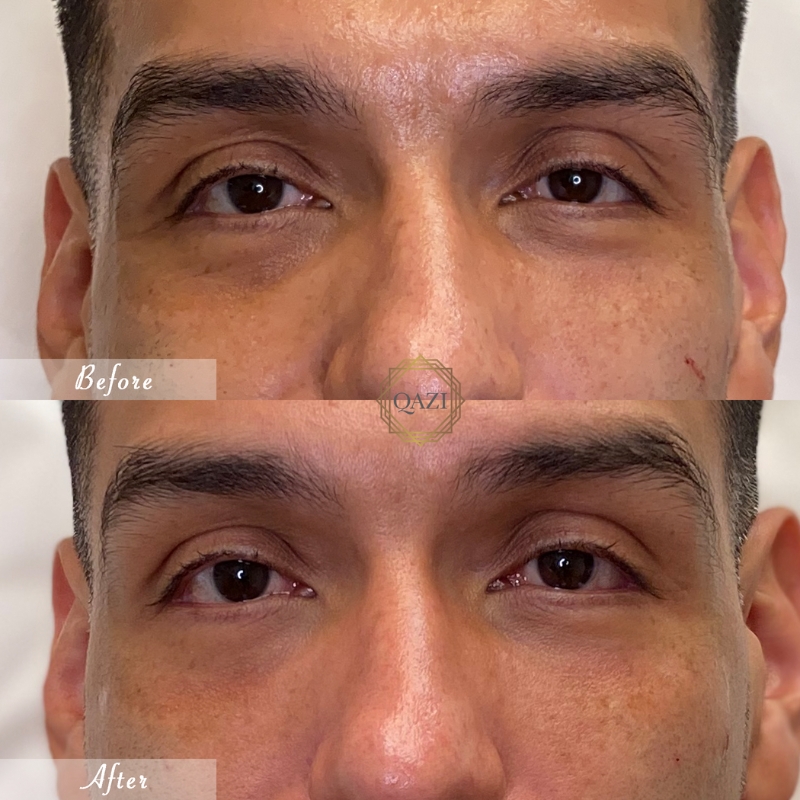
If your dark circles are caused by volume loss or hollowing under the eyes, dermal fillers can help restore volume and smooth the skin. This non-invasive procedure can give the under-eye area a more youthful, refreshed look.
4. Chemical Peels
Chemical peels can help exfoliate the skin and reduce pigmentation under the eyes. By removing the outer layer of skin, peels can lighten dark spots and promote smoother skin.
5. Surgical Options
For individuals with severe under-eye hollows, fat grafting or blepharoplasty (eyelid surgery) may be an option. These procedures are more invasive but can provide long-lasting results.
Contact Qazi Cosmetic Center
Dark circles are a common concern that can be caused by a variety of factors, including genetics, aging, lifestyle habits, and sun exposure. While some people may be genetically predisposed to dark circles, others may develop them over time due to external factors. Whether inherited or developed, dark circles can be treated effectively with the right approach. Call us at (949)-336-7293 to learn more about our treatments or schedule a consultation.

Meet Dr. Nadir Qazi
While growing up in Chicago, I struggled for years with severe acne and scarring. Dealing with constant comments about my skin, especially from friends and family, wasn’t easy. That feeling of isolation and defeat hit me hard. Many around me were in the same position, yet there were very limited solutions available. This led me to determine my mission: to tirelessly build a unique medical practice where compassion meets science, providing proper care for every overlooked skin type and tone. At my Center, my team and I offer only clinically proven treatments that I have personally researched. My goal is to help others achieve their dreams, breaking free from the constraints of their physical appearance, and to be the support I needed the most.



