








Acne scars carry far more weight than just their physical appearance. For many individuals, these marks become a constant reminder of past struggles with acne, often leading to feelings of guilt, frustration, or even depression. It’s not uncommon for people to blame themselves, wondering if they could have done something differently to prevent the scarring. This sense of self-blame can be overwhelming, especially when society places so much emphasis on clear, flawless skin.
In reality, acne scars are rarely anyone’s fault. They result from complex biological processes, including inflammation, collagen breakdown, and sometimes genetics. Yet, despite knowing this intellectually, the emotional burden persists. Many patients feel trapped in a cycle of shame, avoiding social interactions or covering up their skin with makeup—even in situations where they shouldn’t feel pressured to do so. The impact isn’t just superficial; it runs deep, affecting confidence, relationships, and overall mental health.
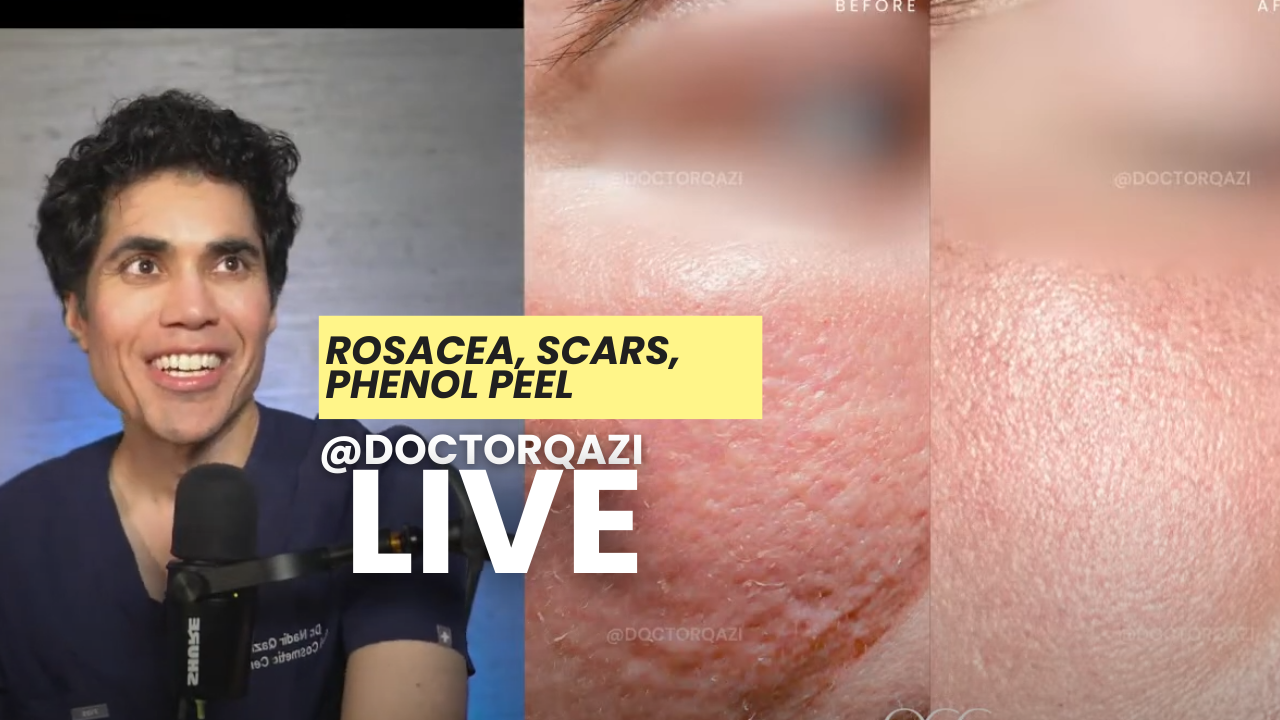
One patient I work with extensively over the past two and a half years comes to mind. She starts her journey seeking “scarless” skin—a goal that seems nearly impossible at first. Through consistent treatment and personalized care, she achieves results that are remarkably close to her vision. Her transformation isn’t just about smoothing out ice pick scars or reducing redness from rosacea—it’s also about reclaiming her sense of self-worth. Watching her progress reinforces how transformative proper scar management can be, both physically and emotionally.
Understanding Different Types of Acne Scars
When addressing acne scars, one size does not fit all. There are several distinct types of scars, each requiring its own approach. Ice pick scars, for instance, are those deep, narrow indentations that resemble small puncture wounds. These tend to form when severe cystic acne destroys tissue beneath the surface. Then there are boxcar scars—wider depressions with sharp edges—that look similar to chickenpox scars. Rolling scars, on the other hand, create wave-like undulations under the skin due to tethered fibrous bands.
Each type demands a tailored strategy. For example, ice pick scars might respond well to treatments like TCA cross or subcision, while rolling scars may require breaking up underlying scar tissue. Boxcar scars, depending on their depth, might benefit from fractional lasers or dermal fillers. Understanding these distinctions is crucial because applying the wrong treatment can lead to unsatisfactory results—or worse, exacerbate the problem.
Interestingly, smoking appears to play a role in the development of certain scar types, particularly ice pick scars. Many patients who smoke or vape seem to develop deeper, more pronounced scars compared to non-smokers. While the exact mechanism isn’t fully understood, it’s likely related to impaired wound healing caused by nicotine and other chemicals in tobacco products. This observation highlights yet another reason why quitting smoking is beneficial—not only for general health but also for skin recovery.
Effective Treatment Options for Acne Scars
Treating acne scars effectively often requires combining multiple modalities rather than relying on a single procedure. Take, for example, the case of the aforementioned patient. Over the course of her treatment, she undergoes TCA cross, erbium laser therapy, subcision, and XLV laser sessions to address both scarring and redness associated with rosacea. Each step plays a vital role in achieving her final outcome.
TCA Cross: Precision for Deep Scars
TCA cross involves applying trichloroacetic acid directly to ice pick scars. This technique stimulates collagen production and helps flatten deep scars. However, precision is key—especially for darker skin tones—to avoid complications like hyperpigmentation. When performed correctly, TCA cross yields impressive results without excessive downtime.
Subcision: Breaking Free from Rolling Scars
Subcision is a minimally invasive procedure used to release tethered scar tissue. By inserting a needle or cannula under the skin, practitioners break up fibrous bands causing rolling scars. This method is particularly effective along areas like the nasal labial folds, where dense scars often form. Proper subcision requires meticulous attention to detail, which unfortunately isn’t always practiced. Patients who undergo inadequate subcision elsewhere frequently report persistent tethering, underscoring the importance of finding an experienced provider.
Lasers: Versatility Across Scar Types
Laser treatments remain a cornerstone of scar management. CO2 lasers offer aggressive resurfacing but come with significant downtime, making them less appealing for some patients. Erbium lasers provide a gentler alternative, minimizing risks of pigmentation issues. Pico lasers, meanwhile, excel in treating hyperpigmentation and are suitable for all skin types. Combining laser therapies with injectable solutions, such as diluted Sculptra, enhances collagen stimulation without relying solely on heat-based methods.
Managing Redness and Rosacea Alongside Acne Scars
Redness and vascular issues often accompany acne scars, complicating treatment plans. Managing rosacea alongside scar revision requires careful consideration. Treatments like topical azelaic acid or oral metronidazole help control symptoms, while low-dose antibiotics like doxycycline serve as anti-inflammatory agents. Laser options, such as the XLV laser, target blood vessels and reduce inflammation, providing dual benefits for patients dealing with both conditions.
However, caution must be exercised with procedures like microneedling, which can exacerbate rosacea in some cases. A patient recently shares her experience attempting DIY microneedling for ice pick scars, only to end up with a choid reaction—a raised, discolored scar common in darker skin tones. Such outcomes highlight the risks of at-home devices and underscore the value of professional-grade treatments.
Affordable Alternatives and Realistic Expectations
Not everyone has access to expensive treatments, and that’s okay. Affordable alternatives exist, though they may require patience and realistic expectations. TCA cross, for instance, offers a cost-effective option for ice pick scars, while over-the-counter retinoids can soften mild pigmentation. That said, cheaper methods rarely deliver dramatic improvements for deeper scars. Microneedling pens marketed for home use often fall short, failing to penetrate deeply enough to trigger meaningful collagen production.
Lifestyle Factors Influencing Skin Health
Beyond clinical interventions, lifestyle plays a pivotal role in maintaining healthy skin. Diet, for example, can significantly influence oil production and inflammation. Dairy consumption, particularly skim milk, has been linked to increased sebum production and acne severity. Eliminating dairy can dramatically improve skin clarity for some individuals. Similarly, processed sugars and high-glycemic foods exacerbate inflammation and should be limited. Incorporating anti-inflammatory foods rich in omega-3 fatty acids, antioxidants, and vitamins A, C, and E supports skin healing.
Hormonal fluctuations also contribute to acne development. Women experiencing premenstrual breakouts may benefit from hormonal therapies like spironolactone or combined oral contraceptives. Men using testosterone supplements should monitor their skin closely, as elevated hormone levels can trigger cystic acne. Managing these factors proactively prevents future breakouts and minimizes scarring.
Moving Forward with Hope and Knowledge
Living with acne scars doesn’t mean resigning yourself to lifelong dissatisfaction. Modern dermatology offers a wealth of tools to address scarring, redness, and texture concerns. Whether you opt for professional treatments like TCA cross and laser therapy or explore affordable alternatives like topical retinoids, the key lies in persistence and personalization.
Equally important is forgiving yourself for past mistakes. Whether it’s picking at blemishes, experimenting with untested treatments, or simply struggling with uncontrollable factors like hormones, remember that hindsight is 20/20. What matters most is moving forward with knowledge and hope. After all, we live in a time when science continues to advance, offering new opportunities to improve our skin—and ourselves—with every passing year.
If you’re interested in exploring treatment options further, you can self-schedule your consultation at doctorqazi.com . My team will guide you through the process, ensuring you’re prepared with photos and instructions to make the most of our time together.

Meet Dr. Nadir Qazi
While growing up in Chicago, I struggled for years with severe acne and scarring. Dealing with constant comments about my skin, especially from friends and family, wasn’t easy. That feeling of isolation and defeat hit me hard. Many around me were in the same position, yet there were very limited solutions available. This led me to determine my mission: to tirelessly build a unique medical practice where compassion meets science, providing proper care for every overlooked skin type and tone. At my Center, my team and I offer only clinically proven treatments that I have personally researched. My goal is to help others achieve their dreams, breaking free from the constraints of their physical appearance, and to be the support I needed the most.



