








Acne is a skin condition that affects millions of people, often during adolescence, but it can also persist into adulthood. While acne itself can be frustrating, the scars it leaves behind can be even more challenging to deal with. Understanding when acne is likely to leave scars and how to prevent them is crucial in maintaining smooth, healthy skin. Contact Qazi Cosmetic Center for more information.
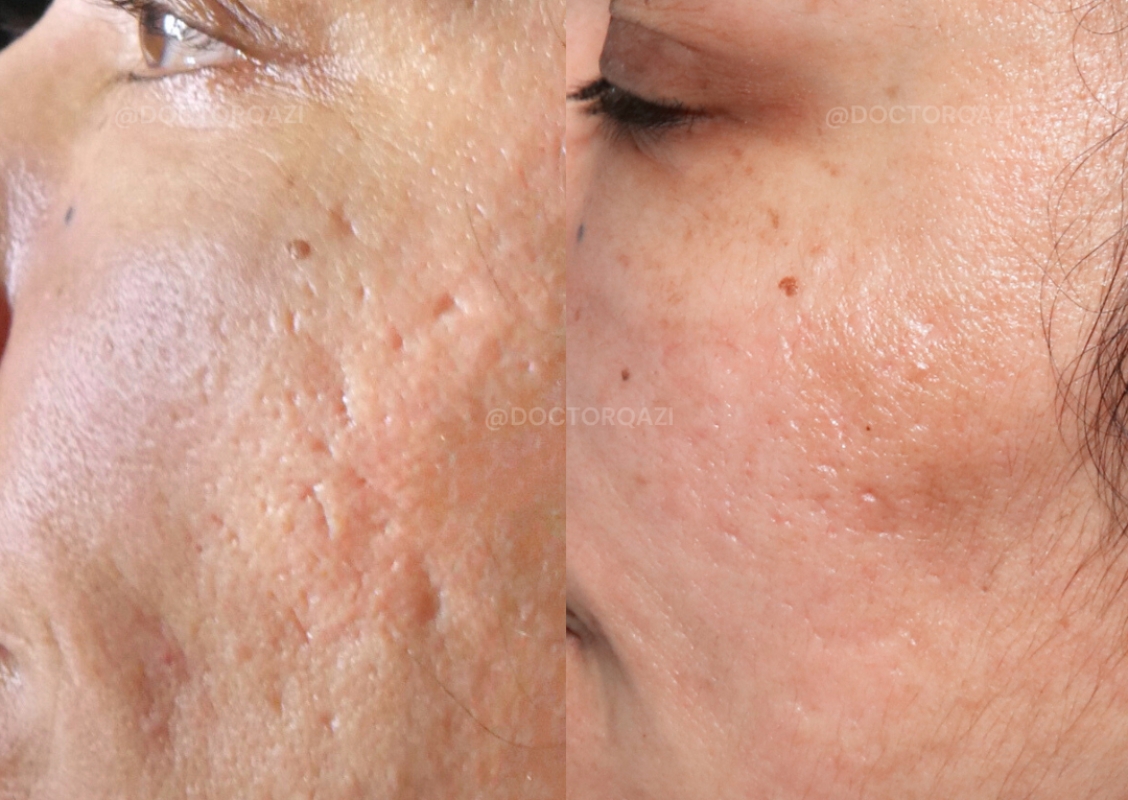
What Causes Acne Scars?
Acne scars form when the skin’s healing process after an acne breakout is disrupted. This disruption typically occurs due to inflammation, which damages the skin tissue. When the skin tries to repair itself, it either produces too much collagen, leading to raised scars, or too little collagen, resulting in depressed scars.
When Does Acne Lead to Scarring?
Not all acne leads to scarring, but certain types and conditions are more likely to result in permanent marks. Here are the key factors that increase the likelihood of acne scarring:
1. Severity of the Acne
- Cystic Acne: This severe form of acne involves large, painful cysts that penetrate deep into the skin. Cystic acne is the most likely to leave scars due to the significant inflammation and damage it causes.
- Nodular Acne: Similar to cystic acne, nodular acne involves hard, painful lumps under the skin that can lead to scarring if not treated properly.
2. Duration of the Acne
- Chronic Acne: Acne that persists for months or years increases the risk of scarring, especially if left untreated.
- Prolonged Inflammation: The longer the skin remains inflamed, the higher the chance of scar formation. This is why it’s essential to treat acne as early as possible.
3. Picking or Squeezing Pimples
- Manual Interference: Picking at or squeezing pimples can force the bacteria deeper into the skin, causing more damage and increasing the likelihood of scarring.
4. Delay in Treatment
- Untreated Acne: The longer you wait to treat acne, the more likely it is to scar. Early intervention can prevent minor blemishes from turning into permanent scars.
Identifying the Signs of Potential Scarring
Recognizing the early signs of acne that might lead to scarring is vital in preventing permanent damage to your skin. Here’s what to look out for:
- Skin texture changes: If you notice any indentations or raised areas on your skin after a breakout, these could be developing scars.
- Deep, painful pimples: These are more likely to leave scars compared to superficial pimples.
- Persistent red or dark marks: If a pimple leaves behind a mark that doesn’t fade after a few weeks, it could be an early sign of scarring.
How to Prevent Acne Scars
Preventing acne scars is often about managing your acne effectively and treating it early. At Qazi Cosmetic Center in Orange County, we recommend the following steps to minimize your risk of scarring:
Seek Professional Treatment Early
- Early intervention with professional treatments can prevent acne from becoming severe and reduce the risk of scarring. Options like topical treatments, oral medications, and procedures like chemical peels or laser therapy can be effective.
Avoid Picking or Squeezing Pimples
- As tempting as it might be, avoid picking at your pimples. This can worsen inflammation and increase the risk of scars.
Use Gentle Skincare Products
- Harsh skincare products can irritate the skin and worsen acne, leading to more significant damage. Opt for gentle, non-comedogenic products that won’t clog your pores.
Protect Your Skin from the Sun
- UV exposure can darken acne scars and make them more noticeable. Always use sunscreen to protect your skin and prevent scars from becoming more pronounced.
Choose Qazi Cosmetic Center
Don’t let acne scars affect your confidence any longer. Contact Qazi Cosmetic Center at (949)-336-7293 to schedule a consultation and learn more about how we can help you achieve clearer, smoother skin. We’re here to support you on your journey to beautiful skin.

Meet Dr. Nadir Qazi
While growing up in Chicago, I struggled for years with severe acne and scarring. Dealing with constant comments about my skin, especially from friends and family, wasn’t easy. That feeling of isolation and defeat hit me hard. Many around me were in the same position, yet there were very limited solutions available. This led me to determine my mission: to tirelessly build a unique medical practice where compassion meets science, providing proper care for every overlooked skin type and tone. At my Center, my team and I offer only clinically proven treatments that I have personally researched. My goal is to help others achieve their dreams, breaking free from the constraints of their physical appearance, and to be the support I needed the most.



