








Acne scars can be a lasting reminder of past breakouts, affecting not only your skin’s appearance but also your self-confidence. While there are various types of acne scars, some are notably more challenging to treat than others. The hardest type of acne scars are hypertrophic and keloid scars, presenting unique obstacles in the quest for smoother, scar-free skin. Contact Qazi Cosmetic Center today for more information.
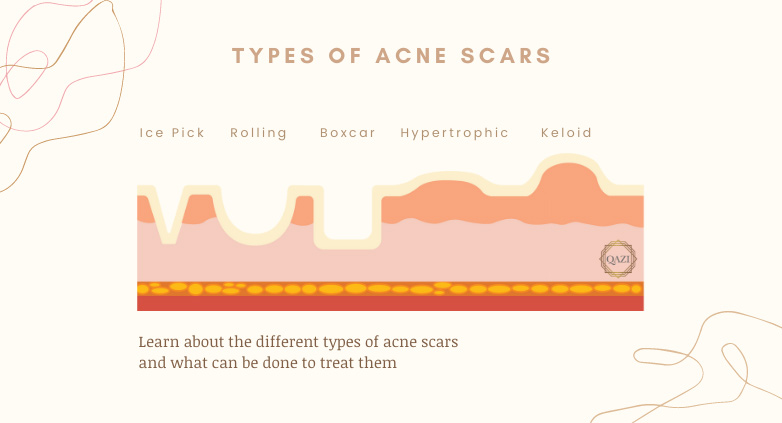
Hardest Type of Acne Scars: Hypertrophic and Keloid Scars
Hypertrophic and keloid scars are both a result of the body’s overproduction of collagen during the wound healing process, leading to raised, often prominent, and sometimes itchy scars. However, there are distinctions between the two:
- Hypertrophic Scars: These scars typically remain within the boundaries of the original wound or incision. They tend to be raised and red or pink in color. Hypertrophic scars are more common and may gradually improve over time but often persist.
- Keloid Scars: Keloids are more aggressive. They extend beyond the original wound’s borders and can continue to grow over time. Keloids are more common in individuals with darker skin tones and may be more challenging to manage.
The Challenge of Treating Hypertrophic and Keloid Scars
Treating hypertrophic and keloid scars can be complex due to several factors:
- Invasive Nature: Both types of scars require treatments that are often more invasive than those for other scar types.
- Tendency to Recur: Hypertrophic and keloid scars have a higher likelihood of recurring even after treatment. They can be persistent and may require multiple approaches.
Available Treatments
Several treatments are available for hypertrophic and keloid scars, but their effectiveness can vary. It’s important to consult a dermatologist or skincare professional to determine the most suitable option for your specific case. Common treatments include:
- Steroid Injections: Corticosteroid injections are commonly used to reduce redness, itching, and the size of hypertrophic and keloid scars. They often need repeated sessions for optimal results.
- Silicone Sheets or Gels: These topical treatments can help flatten and soften scars over time.
- Pressure Dressings: Applying pressure dressings to the scar site can help minimize keloid formation.
- Laser Therapy: Various laser treatments, including CO2 and Erbium lasers, can improve the appearance of hypertrophic and keloid scars. These procedures can help reduce redness and flatten the scars.
- Cryotherapy: This method involves freezing the scar tissue to reduce its size and appearance.
- Surgical Excision: In some cases, especially with keloid scars, surgical removal may be considered. However, this option must be approached with caution, as it can trigger further keloid formation if not done properly.
The Price of Scar Treatment
The cost of treating hypertrophic and keloid scars can vary significantly based on factors such as the type and size of the scar, the chosen treatment method, and your geographic location. Prices may range from several hundred to several thousand dollars, and multiple sessions may be necessary.
While these treatments can be effective in reducing the appearance of hypertrophic and keloid scars, it’s essential to maintain realistic expectations. Complete removal of these scars can be challenging, and management often focuses on minimizing their prominence and discomfort.
Choose Qazi Cosmetic Center
If you’re considering treatment for treating the hardest type of acne scars like hypertrophic or keloid scars, consult a qualified dermatologist or skincare professional who can provide personalized advice and develop a tailored treatment plan for your specific needs.
At Qazi Cosmetic Center in Orange County, we offer expert guidance and cutting-edge treatments to address a variety of skin concerns. Contact us at (949)-336-7293 to schedule a consultation and explore the best solutions for your unique skin needs. Your journey to smoother, scar-free skin starts here.

Meet Dr. Nadir Qazi
While growing up in Chicago, I struggled for years with severe acne and scarring. Dealing with constant comments about my skin, especially from friends and family, wasn’t easy. That feeling of isolation and defeat hit me hard. Many around me were in the same position, yet there were very limited solutions available. This led me to determine my mission: to tirelessly build a unique medical practice where compassion meets science, providing proper care for every overlooked skin type and tone. At my Center, my team and I offer only clinically proven treatments that I have personally researched. My goal is to help others achieve their dreams, breaking free from the constraints of their physical appearance, and to be the support I needed the most.



