








What is cystic acne? Cystic acne is a severe form of acne characterized by large, painful, deep-seated nodules or cysts beneath the skin’s surface. It can be physically and emotionally distressing due to its size, pain, and potential for scarring. Contact Qazi Cosmetic Center for more information about cystic acne and what we can do to help you. You can also call or text us at (949)-336-7293. Click here for more information.
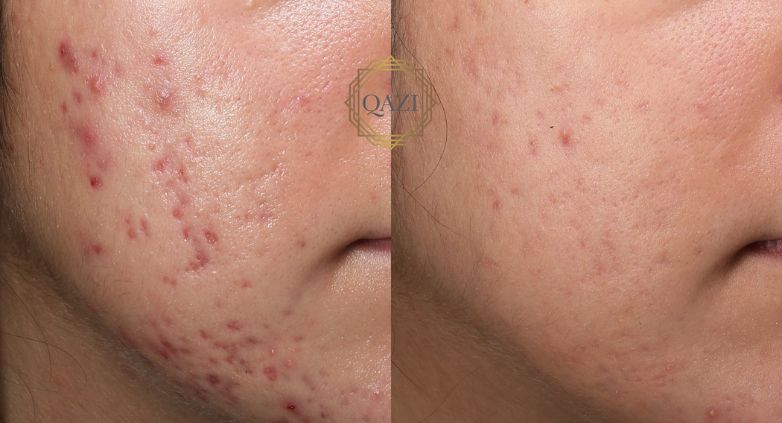
Characteristics of Cystic Acne
- Deep Inflammation: acne forms when hair follicles become clogged with oil, dead skin cells, and bacteria. The resulting inflammation goes deeper into the skin compared to other forms of acne.
- Painful Lesions: Cystic acne lesions are often painful, tender to touch, and can cause discomfort even without physical pressure.
- Large and Prominent: Cysts are typically larger than other acne lesions and can create a noticeable bump on the skin’s surface.
- Scarring: Due to the inflammation’s depth, acne has a higher risk of causing permanent scars.
What Causes Cystic Acne
Hormonal Imbalances
Hormones play a significant role in the development of cystic acne. Androgens, often referred to as “male hormones,” are present in both males and females. They stimulate the sebaceous (oil) glands to produce excess oil, or sebum. Elevated androgen levels, such as during puberty, menstruation, pregnancy, or polycystic ovary syndrome (PCOS), can lead to increased oil production, which can contribute to acne.
Excess Sebum Production
Sebaceous glands produce sebum, an oily substance that helps lubricate the skin. In cystic acne, the sebaceous glands may become overactive, leading to an excessive production of sebum. This excess oil can mix with dead skin cells and block the hair follicles, contributing to the formation of acne lesions.
Follicular Hyperkeratinization
In cystic acne, the normal shedding of dead skin cells can become disrupted. These cells can accumulate within the hair follicles, forming plugs that contribute to the development of acne lesions.
Bacterial Overgrowth
The skin is naturally inhabited by bacteria, including Propionibacterium acnes (P. acnes). When excess oil and dead skin cells clog the hair follicles, they create an environment in which P. acnes can thrive. This bacterial overgrowth triggers an immune response, leading to inflammation.
Inflammation
The presence of bacteria and the body’s immune response to the bacterial overgrowth can cause inflammation within and around the hair follicles. In cystic acne, the inflammation extends deep into the skin, leading to the formation of large, painful nodules and cysts.
Genetics
Family history can play a role in predisposing individuals to cystic acne. If your parents or close relatives had a history of severe acne, you may be more prone to developing cystic acne.
Diet and Lifestyle
While the exact relationship is still being researched, certain dietary factors may contribute to cystic acne in some individuals. Diets high in refined sugars and dairy products might worsen acne. Stress and lack of sleep can also exacerbate acne through hormonal influences.
Environmental Factors
Exposure to pollutants, humidity, and certain cosmetic products can contribute to the development or worsening of acne.
Medications and Hormonal Changes
Some medications and hormonal treatments can influence the development of cystic acne. For instance, certain medications containing corticosteroids, androgens, or lithium might contribute to acne flare-ups.
Factors Beyond Your Control
It’s important to note that while some factors, such as genetics and hormonal changes, are beyond your control, effective management and treatment options are available for acne.
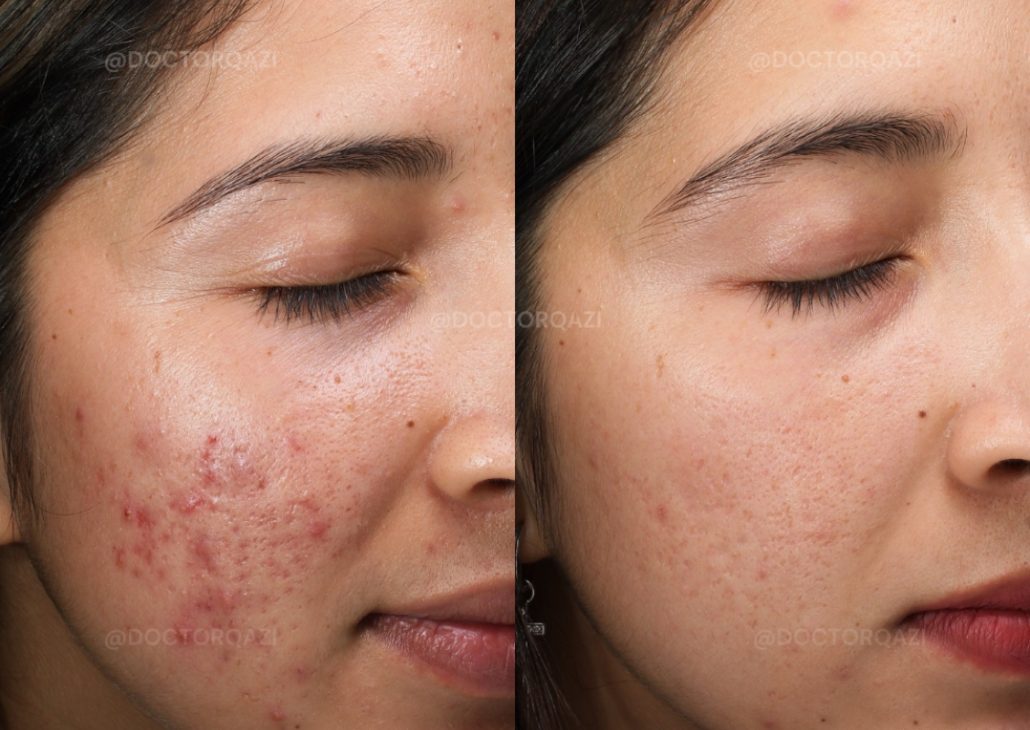
How to Get Rid of Cystic Acne
Prescription Medications
- Oral Antibiotics: Antibiotics can help control bacteria and reduce inflammation associated with cystic acne.
- Oral Contraceptives: Hormonal contraceptives can regulate hormone levels and improve acne in some women.
- Isotretinoin (Accutane): A powerful medication reserved for severe, resistant cases of cystic acne. It reduces oil production, inflammation, and acne lesions but requires careful monitoring due to potential side effects.
Intralesional Corticosteroid Injections
- Injections of corticosteroids into individual cysts can rapidly reduce inflammation and pain.
Procedures
- Drainage and Extraction: Dermatologists can perform sterile drainage and extraction of large cysts to alleviate pain and prevent scarring.
- Laser and Light Therapies (Accure Laser for Active Acne): Certain devices such as Accure Laser and AviClear Laser can target bacteria and inflammation to improve cystic acne.
Skincare
- Gentle cleansing and using non-comedogenic products can help prevent further irritation.
- Over-the-counter products may not be effective for severe cystic acne but can be part of a comprehensive skincare routine.
Accure Laser for Active Acne
Accure Laser, an innovative temperature constant acne solution that guarantees acne reduction in just 6 months by targeting the oil glands directly. This painless treatment is suitable for all skin types, delivering effective results with minimal downtime. Enjoy collagen remodeling for enhanced acne scar appearance, and join the 90% who witnessed improvement after 3 sessions. With a 100% success rate after 4 sessions, put your trust in Accure Laser’s innovation, created by Harvard dermatologists.
Preventing Cystic Acne
- Adhering to a proper skincare routine that includes gentle cleansing and non-comedogenic products.
- Avoiding picking or squeezing cystic acne lesions to prevent further inflammation and potential scarring.
- Managing stress through relaxation techniques, exercise, and adequate sleep.
- Consulting a dermatologist for proper diagnosis and treatment, especially if cystic acne is persistent or causing emotional distress.
Long-Term Outlook
Cystic acne can be challenging to treat and may require a combination of treatments to manage effectively. Early intervention and consistent treatment can help prevent scarring and minimize the physical and emotional impact of cystic acne.
Your Skin, Our Expertise: Qazi Cosmetic Center Approach
At Qazi Cosmetic Center, we understand the emotional and physical toll of cystic acne. Our approach involves:
- Personalized Treatment Plans: Dr. Qazi devises a treatment plan that aligns with your skin type, concerns, and medical history.
- Advanced Techniques: Our state-of-the-art treatments address cystic acne at its source, promoting long-lasting results.
- Holistic Care: We offer a holistic approach, guiding you towards skincare practices, diet, and lifestyle adjustments that support your skin health.
- Expert Team: Our skilled professionals provide guidance, support, and education throughout your journey to clearer skin.
Preventing Cystic Acne: Sustaining Radiant Skin
- Consistent Skincare: Establish a gentle skincare routine that includes cleansing, exfoliating, and moisturizing to prevent acne formation.
- Hygiene: Keep your face clean, avoiding touching your skin with dirty hands.
- Avoiding Irritants: Be cautious with products that may clog pores or trigger irritation.
- Regular Consultations: Continue to consult with Dr. Qazi for routine evaluations and adjustments to your skincare regimen.
Unveil Your Best Skin: Take the First Step
Embark on a transformative journey towards clearer, healthier skin. Connect with Qazi Cosmetic Center at (949) 336-7293 and let us guide you to a more radiant you.
Embrace Your Skin’s Potential:
Uncover the beauty that lies beneath the surface and regain your confidence. Contact Qazi Cosmetic Center at (949) 336-7293, and allow us to guide you towards the path to radiant, acne-free skin.

Meet Dr. Nadir Qazi
While growing up in Chicago, I struggled for years with severe acne and scarring. Dealing with constant comments about my skin, especially from friends and family, wasn’t easy. That feeling of isolation and defeat hit me hard. Many around me were in the same position, yet there were very limited solutions available. This led me to determine my mission: to tirelessly build a unique medical practice where compassion meets science, providing proper care for every overlooked skin type and tone. At my Center, my team and I offer only clinically proven treatments that I have personally researched. My goal is to help others achieve their dreams, breaking free from the constraints of their physical appearance, and to be the support I needed the most.



