








For those struggling with persistent acne, Accutane (isotretinoin) is a powerful medication that can bring relief. However there are considerations when it comes to undergoing specific acne scar procedures while on Accutane. We’ll talk about acne scar treatments, highlighting the procedures that should not be performed while on Accutane. For personalized advice, don’t hesitate to reach out to Dr. Qazi at Qazi Cosmetic Center at (949)-336-7293.
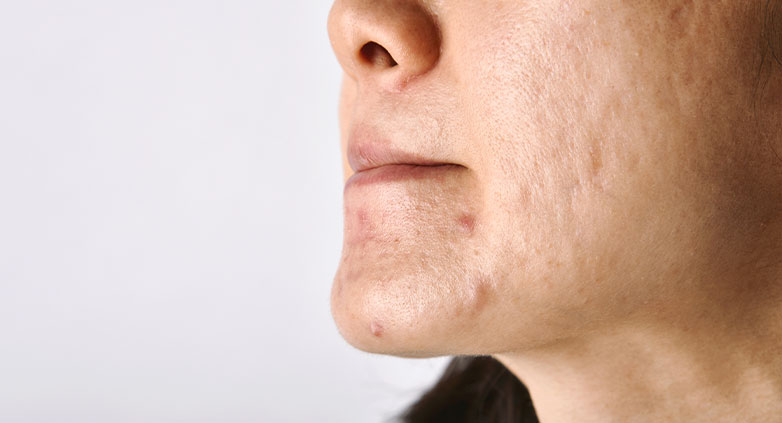
What Is Accutane
Accutane is a renowned prescription medication known for its effectiveness in treating severe acne. It belongs to the retinoid class of drugs and works by reducing the size and activity of the sebaceous glands in the skin. This reduction in oil production results in fewer clogged pores, pimples, and, ultimately, less severe acne. Accutane is often prescribed for individuals with cystic or nodular acne that has been unresponsive to other treatments.
Timing is Everything: Why Wait for Acne Scar Procedures
While Accutane can be a game-changer for acne sufferers, it’s essential to be patient and strategic about when to pursue acne scar procedures. The medication’s influence on the skin and its healing capabilities can impact the safety and efficacy of certain treatments. Below are some of the procedures that should not be performed while on Accutane:
- Laser Treatments: Many laser procedures, including fractional lasers, can be too harsh on the skin when combined with the effects of Accutane. The medication can make your skin more sensitive, increasing the risk of complications like scarring, changes in pigmentation, and prolonged healing.
- Chemical Peels: Chemical peels, which involve applying a chemical solution to remove damaged skin, can be too aggressive for skin already undergoing changes due to Accutane. They may lead to excessive skin shedding and discomfort.
- Microneedling: Microneedling involves tiny needles that create micro-injuries in the skin to stimulate collagen production. The combination of Accutane and microneedling can increase the risk of prolonged redness and sensitivity.
- Dermal Fillers: Dermal fillers used to improve acne scars might yield less predictable results while on Accutane. The medication’s influence on skin texture may affect the outcomes.
- Subcision: Subcision, a technique used to release tethered acne scars, may be less effective due to Accutane’s impact on collagen production and skin healing.
Contact Qazi Cosmetic Center Today
So, when is the ideal time to consider acne scar procedures? It’s generally advisable to wait at least six months after completing your Accutane course. By this point, your skin’s natural healing and oil production processes will have mostly returned to their regular state. Waiting allows for a safer and more effective experience when pursuing acne scar treatments.
Accutane is a potent tool for combating acne, but when it comes to addressing acne scars, timing and strategy are key. To determine the most suitable path forward, including the right treatments and timing for your unique needs, consulting a knowledgeable dermatologist or cosmetic surgeon is crucial. For those in Orange County, Dr. Qazi is here to offer expert guidance and solutions. Contact Qazi Cosmetic Center at (949)-336-7293 for personalized advice.

Meet Dr. Nadir Qazi
While growing up in Chicago, I struggled for years with severe acne and scarring. Dealing with constant comments about my skin, especially from friends and family, wasn’t easy. That feeling of isolation and defeat hit me hard. Many around me were in the same position, yet there were very limited solutions available. This led me to determine my mission: to tirelessly build a unique medical practice where compassion meets science, providing proper care for every overlooked skin type and tone. At my Center, my team and I offer only clinically proven treatments that I have personally researched. My goal is to help others achieve their dreams, breaking free from the constraints of their physical appearance, and to be the support I needed the most.



