








In today’s fast-paced world, stress has become a common experience for many. While we often think of stress as a mental or emotional burden, its effects extend to our physical health, particularly our skin. One significant consequence of stress that many may not realize is its relationship with hyperpigmentation. This article delves into how stress can exacerbate skin issues, especially hyperpigmentation, and offers practical tips for managing stress and improving skin health.
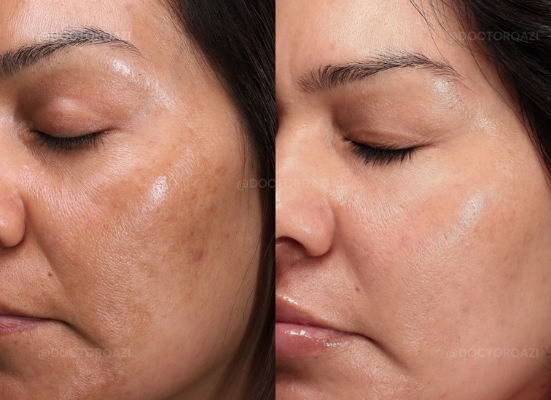
What is Hyperpigmentation?
Hyperpigmentation is a condition characterized by dark patches on the skin, caused by an excess of melanin. While factors like sun exposure, hormonal changes, and certain medications are well-known contributors, stress also plays a crucial role in its development and worsening. When we experience stress, our bodies react in various ways, leading to a cascade of hormonal and physiological changes that can directly impact our skin.
How Stress Contributes to Hyperpigmentation
1. Hormonal Fluctuations
Stress triggers the release of cortisol, often referred to as the “stress hormone.” Elevated cortisol levels can lead to inflammation, which may worsen existing skin conditions, including hyperpigmentation. Additionally, stress can cause hormonal imbalances that further contribute to the darkening of the skin.
2. Inflammatory Responses
When under stress, the body can initiate an inflammatory response. This inflammation can manifest in various skin issues, including redness, acne, and increased pigmentation. The cycle of inflammation and subsequent skin damage can lead to a rise in hyperpigmented areas.
3. Skin Care Neglect
During stressful periods, self-care often takes a backseat. People may neglect their skincare routines, skip sun protection, or resort to unhealthy habits such as poor diet and lack of sleep. These factors can exacerbate hyperpigmentation and overall skin health.
4. Stress-Induced Skin Conditions
Conditions such as eczema and psoriasis can worsen under stress, leading to increased skin sensitivity and pigmentation changes. The relationship between stress and these conditions can create a vicious cycle, making effective skin management even more critical.
Tips for Managing Stress and Its Impact on Your Skin
Here are some effective strategies to help manage stress and improve skin health:
- Practice Mindfulness and Meditation: Techniques such as mindfulness meditation can help reduce stress levels. Spending just a few minutes a day practicing mindfulness can enhance your overall well-being and positively impact your skin.
- Maintain a Consistent Skincare Routine: Establishing a daily skincare regimen can help combat hyperpigmentation. Use products containing ingredients like vitamin C, niacinamide, and hyaluronic acid to brighten the skin and promote a healthy complexion.
- Stay Hydrated: Drinking plenty of water can help maintain skin hydration and improve overall skin health. Hydration is crucial in combating the effects of stress on the skin.
- Exercise Regularly: Physical activity is a great way to reduce stress and boost endorphins, the body’s natural mood lifters. Aim for at least 30 minutes of moderate exercise most days of the week.
- Get Enough Sleep: Prioritize quality sleep to allow your body to recover and regenerate. Lack of sleep can increase stress hormones and negatively affect your skin.
- Seek Professional Help: If stress becomes overwhelming, consider talking to a mental health professional. Therapy can provide you with tools to manage stress more effectively.
Effective Treatments for Hyperpigmentation
If you’re already experiencing hyperpigmentation, various treatments can help improve the appearance of your skin:
- Topical Treatments: Over-the-counter products with ingredients like hydroquinone, retinoids, or alpha hydroxy acids can help lighten dark spots. Consult with a skincare professional to find the best product for your needs.
- Chemical Peels: These treatments exfoliate the top layer of skin, reducing the appearance of dark patches. They can also help improve skin texture and promote cell turnover.
- Lasers: Lasers like the Pico Laser target hyperpigmented areas while leaving surrounding skin unharmed. This approach can effectively reduce dark spots and improve overall skin tone.
- Sun Protection: Always apply sunscreen with at least SPF 30 to protect your skin from UV rays, which can exacerbate hyperpigmentation. Daily use of sunscreen is essential for preventing further skin damage.
Choose Qazi Cosmetic Center
The relationship between stress and hyperpigmentation is complex but significant. At Qazi Cosmetic Center in Orange County, we offer a range of treatments and services to help you address hyperpigmentation and other skin concerns. Our knowledgeable team is here to provide personalized advice tailored to your unique needs. Call us at (949)-336-7293 for more information.

Meet Dr. Nadir Qazi
While growing up in Chicago, I struggled for years with severe acne and scarring. Dealing with constant comments about my skin, especially from friends and family, wasn’t easy. That feeling of isolation and defeat hit me hard. Many around me were in the same position, yet there were very limited solutions available. This led me to determine my mission: to tirelessly build a unique medical practice where compassion meets science, providing proper care for every overlooked skin type and tone. At my Center, my team and I offer only clinically proven treatments that I have personally researched. My goal is to help others achieve their dreams, breaking free from the constraints of their physical appearance, and to be the support I needed the most.



