








Knowledge is power when it comes to managing Seborrheic Dermatitis effectively. In this article, we will talk about Seborrheic Dermatitis, exploring its causes, symptoms, and the latest treatments available. Whether you’re in Orange County or anywhere else, this is your guide to understanding and conquering Seborrheic Dermatitis. Contact Qazi Cosmetic Center for more information.
Understanding Seborrheic Dermatitis
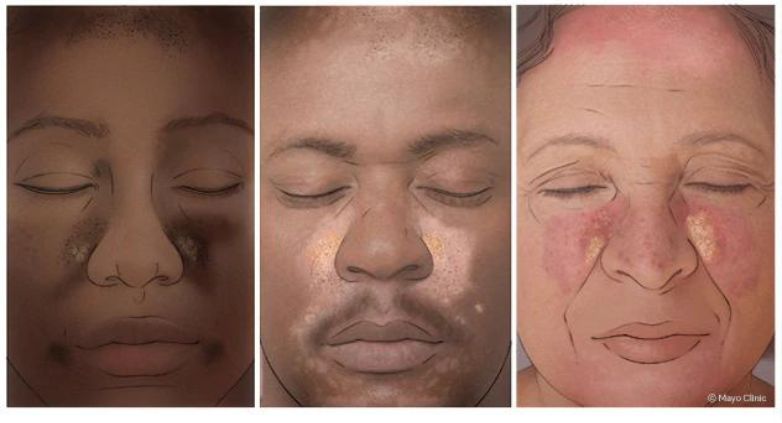
Seborrheic Dermatitis, often referred to as dandruff when it occurs on the scalp, is a chronic skin condition characterized by red, inflamed, and flaky skin. It primarily affects areas rich in oil-producing glands, such as the scalp, face, and chest. While the exact cause of Seborrheic Dermatitis remains elusive, several factors are believed to contribute to its development.
Common Causes and Triggers
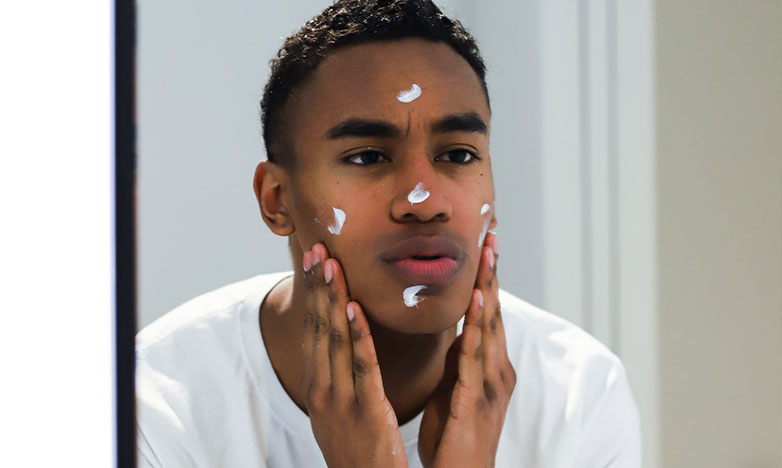
- Malassezia: This yeast-like fungus is found on the skin’s surface and is considered a primary culprit in Seborrheic Dermatitis. It is thought to cause irritation and inflammation.
- Genetics: A family history of Seborrheic Dermatitis may increase the likelihood of developing the condition.
- Hormones: Hormonal changes, particularly during puberty, can trigger or worsen Seborrheic Dermatitis.
- Stress: High-stress levels are often linked to the exacerbation of symptoms. Stress management techniques can help alleviate the condition.
Common Symptoms
Seborrheic Dermatitis presents a range of symptoms, which can vary in severity. Common signs of this condition include:
- Redness and inflammation of affected areas, typically the scalp, face, and chest.
- Flaky, greasy, or scaly skin, often referred to as “dandruff” on the scalp.
- Itching, which can be mild to severe and can lead to discomfort and irritation.
Effective Treatments
While Seborrheic Dermatitis can be persistent, several treatments and strategies can help manage and alleviate the symptoms:
- Topical Antifungals: Over-the-counter or prescription-strength antifungal creams and shampoos can help control the growth of Malassezia and reduce inflammation.
- Topical Steroids: In cases of severe inflammation, your dermatologist may prescribe topical steroids to alleviate redness and itching.
- Medicated Shampoos: Specially formulated shampoos, often containing ingredients like ketoconazole or selenium sulfide, can effectively control symptoms on the scalp.
- Lifestyle Modifications: Reducing stress, avoiding harsh skincare products, and maintaining good hygiene can help prevent flare-ups.
- Consultation with a Dermatologist: For stubborn or severe cases, seeking professional advice and treatment is crucial. A dermatologist can provide a personalized plan to manage your condition effectively.
Seborrheic Dermatitis in Orange County
In Orange County, you have access to expert guidance on managing this condition. Dr. Qazi at Qazi Cosmetic Center specializes in dermatology and can provide tailored solutions to address your specific needs. If you’re struggling with Seborrheic Dermatitis, contact us at (949)-336-7293 for professional assistance.
Contact Qazi Cosmetic Center Today
Seborrheic Dermatitis is a persistent skin condition and can be effectively managed with the right knowledge and treatments. Understanding its causes, symptoms, and effective treatment options is the first step to finding relief. If you’re in Orange County and seeking expert guidance on managing this condition, Dr. Qazi at Qazi Cosmetic Center is your trusted partner. Contact us at (949)-336-7293.

Meet Dr. Nadir Qazi
While growing up in Chicago, I struggled for years with severe acne and scarring. Dealing with constant comments about my skin, especially from friends and family, wasn’t easy. That feeling of isolation and defeat hit me hard. Many around me were in the same position, yet there were very limited solutions available. This led me to determine my mission: to tirelessly build a unique medical practice where compassion meets science, providing proper care for every overlooked skin type and tone. At my Center, my team and I offer only clinically proven treatments that I have personally researched. My goal is to help others achieve their dreams, breaking free from the constraints of their physical appearance, and to be the support I needed the most.



