








As a restoration specialist based in Newport Beach, California, I often find myself reflecting deeply on how skin conditions profoundly affect mental health. Recently, many patients have approached me, visibly burdened by years of suffering from acne and scars. It’s clear that the impact is not just physical but deeply psychological as well. I will talk about pigmentation, subcision, mental health after scars and acne, and much more.
I’ve touched upon this topic multiple times before, yet every conversation reaffirms its importance. Many individuals feel isolated, believing they are alone in their struggles. However, through my practice and interactions online, I see countless people dealing with similar insecurities and concerns. This shared experience crosses all socioeconomic and racial boundaries, emphasizing a universal struggle with self-esteem tied to appearance.
Unfortunately, treatments can sometimes feel out of reach financially, exacerbating existing mental health issues related to skin imperfections. Today, for instance, a patient traveled all the way from New Jersey with her sister, sharing stories of severe cystic acne beginning at a young age. Such early onset often leads to bullying and long-term emotional scars.
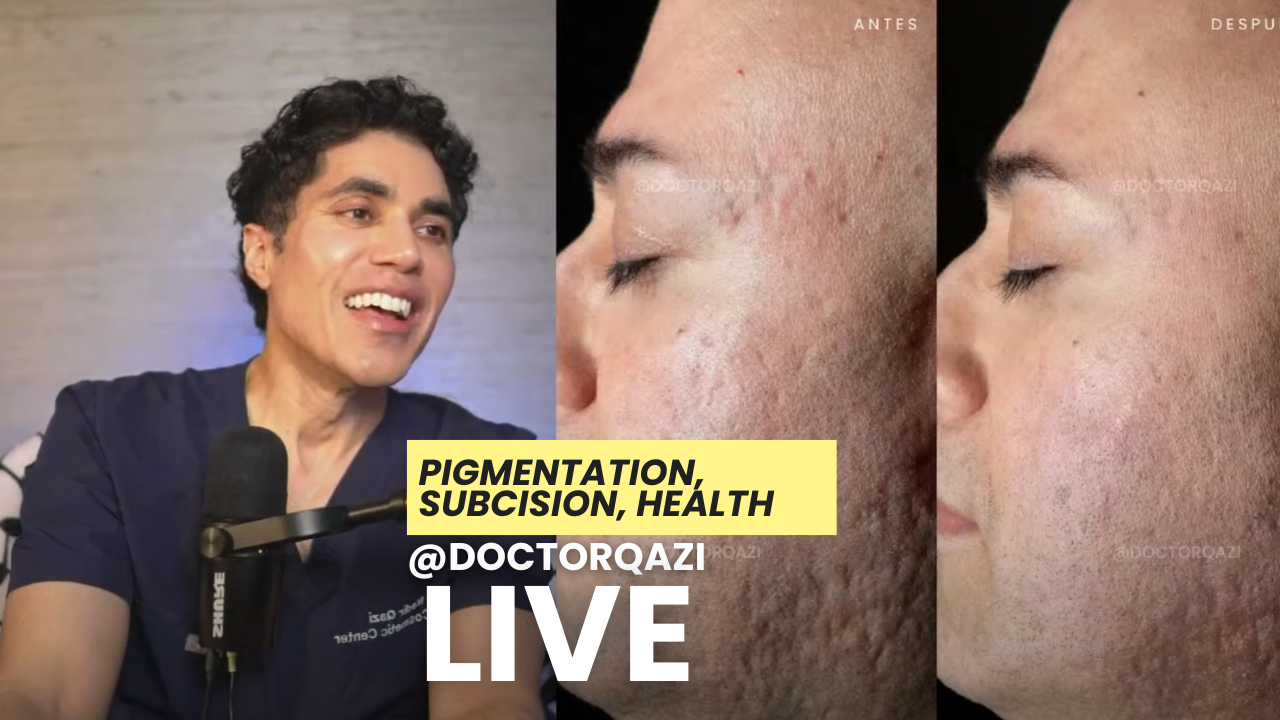
Comprehensive Treatment Approaches
In treating these complex cases, I employ various techniques tailored to each individual’s needs. For one particular patient, we combined several methods to achieve significant improvement:
Subcision Techniques
Initially, I performed subcision using specialized tools like the Taylor liberator and Nokor needle. These instruments help release tethered scar tissue, especially effective in areas like the upper cheeks and jawline. Subcision is particularly beneficial for rolling scars where the skin is pulled down by fibrous bands.
Laser Resurfacing
For thicker scars, ablative CO2 laser treatment proved beneficial. This technique promotes tissue contraction and skin tightening, notably around the neck area. We also utilized TCA cross for ice pick and boxcar scars, further enhancing results. The laser helps to resurface the skin, reducing the appearance of scars significantly over multiple sessions.
Dermal Fillers
Through laser channel holes, I administered Bellafill, a diluted form of Sculptra, to stimulate collagen production. Combining these treatments led to substantial improvements, though ongoing sessions remain necessary for optimal outcomes. The fillers help to lift depressed scars and improve overall skin texture.
Addressing Specific Concerns
Neck Area Challenges
Treating the neck presents unique challenges due to its mobility and sensitivity to heat energy. Areas with frequent movement tend to heal slower, requiring more patience and potentially additional procedures. The neck’s delicate skin requires careful consideration when applying treatments like lasers or peels to avoid excessive downtime or adverse reactions.
Combination Scar Types
Many patients present with a mix of rolling, ice pick, and boxcar scars. Each type requires specific attention; for example, TCA cross works wonders for mild ice pick scars, while subcision benefits rolling scars. Understanding the nuances of each scar type ensures a comprehensive treatment plan tailored to the patient’s unique needs.
Alternatives to Laser Treatments
Not everyone responds equally to lasers. For darker skin tones, alternatives such as subcision, TCA cross, and Pico laser for hyperpigmentation offer viable solutions without risking hypopigmentation. These methods are less invasive and provide significant improvements without the risks associated with traditional laser treatments.
Managing Expectations and Aftercare
Post-Treatment Care
Proper aftercare significantly influences recovery times. Patients undergoing erbium laser treatments typically experience minimal downtime ranging from four to seven days initially, reducing with subsequent sessions. Sun exposure management remains crucial post-procedure to prevent complications. Detailed aftercare instructions ensure patients understand how to care for their skin during the healing process, minimizing risks and maximizing results.
Supplemental Support
Quitting smoking and incorporating supplements like Omega-3s and zinc aid healing processes. Reducing dairy intake can also mitigate oil production and acne flare-ups. Lifestyle adjustments play a critical role in supporting the body’s natural healing mechanisms, ensuring treatments yield the best possible outcomes.
Accessibility and Commitment
Understanding the financial burden of treatments, I strive to make them accessible. Most patients invest between $5,000 to $7,000 in comprehensive scar treatments. While substantial, this investment ensures high-quality care aimed at maximizing results. Transparency about costs and treatment plans helps patients make informed decisions about their care.
Long-Term Outcomes
The likelihood of scars returning post-treatment remains low if acne is under control. Aging might reveal minor depressions previously masked by fat, manageable with volume adjustments. Properly executed subcision lifts facial contours rather than causing sagging, contrary to improper techniques seen elsewhere. Continuous follow-up appointments ensure any emerging issues are addressed promptly, maintaining long-term satisfaction with results.
Additional Considerations
Cortisone Injections and Accutane
Cortisone injections for keloids are safe during Accutane treatment when administered conservatively. Ensuring correct depth and concentration prevents potential side effects. Accutane itself can sometimes reduce the diameter of certain ice pick scars and improve post-inflammatory erythema marks, making it a valuable component of comprehensive acne management.
Chemical Peels and Skincare Routines
Chemical peels effectively address hyperpigmentation but fall short for deeper scars. Incorporating retinoids like tretinoin into skincare routines can soften scars and reduce oil production, promoting better skin texture. Regular use of topical treatments supports ongoing skin health and enhances the results of professional procedures.
Red Light Therapy
While red light therapy aids inflammation and collagen production slightly, it doesn’t significantly improve scar appearance. Thus, it isn’t a recommended standalone treatment for scar patients. However, it can be a useful adjunct to other therapies, providing additional support for skin healing and rejuvenation.
Future Directions
Continued research and patient feedback drive innovation in dermatological treatments. Staying informed about emerging therapies, such as beef tallow applications, ensures comprehensive care despite limited scientific backing currently available. Engaging with the latest advancements allows for a dynamic approach to patient care, adapting strategies as new evidence emerges.
Community and Support
Fostering a supportive community is crucial for those navigating skin condition challenges. Online platforms and patient networks provide spaces for sharing experiences, offering advice, and building resilience. By connecting with others who understand their journey, individuals find strength and encouragement, reinforcing the importance of community in overcoming adversity.
Personalized Care Plans
Every patient’s journey is unique, necessitating personalized care plans that address their specific concerns and goals. Tailored approaches consider factors like skin type, scar severity, lifestyle, and personal preferences, ensuring treatments align with individual needs. This bespoke methodology maximizes efficacy and patient satisfaction, fostering trust and confidence in the treatment process.
Visit doctorqazi.com to self-schedule a consultation. You can also call/text us at 949-336-7293 for more information.

Meet Dr. Nadir Qazi
While growing up in Chicago, I struggled for years with severe acne and scarring. Dealing with constant comments about my skin, especially from friends and family, wasn’t easy. That feeling of isolation and defeat hit me hard. Many around me were in the same position, yet there were very limited solutions available. This led me to determine my mission: to tirelessly build a unique medical practice where compassion meets science, providing proper care for every overlooked skin type and tone. At my Center, my team and I offer only clinically proven treatments that I have personally researched. My goal is to help others achieve their dreams, breaking free from the constraints of their physical appearance, and to be the support I needed the most.



