








Skin pigmentation can manifest in different ways, and it’s not uncommon for people to confuse conditions like melasma, sun spots, and birthmarks. However, understanding the distinctions between these three is essential for choosing the right treatment and care. At Qazi Cosmetic Center in Orange County, we specialize in helping our patients manage and treat these skin conditions with expert care. If you’re unsure about your skin pigmentation and how it’s affecting your appearance, this article will guide you through the key differences.
What Is Melasma?
Melasma is a skin condition characterized by brown or gray patches that typically appear on the face, though they can also develop on other parts of the body exposed to the sun. It’s especially common among women and often triggered by hormonal changes, particularly during pregnancy, which is why it’s sometimes referred to as the “mask of pregnancy.”
Causes of Melasma:
- Hormonal changes (pregnancy, birth control pills)
- Sun exposure
- Genetics
- Skin irritation from certain cosmetics
Symptoms of Melasma:
- Dark patches on the cheeks, forehead, or upper lip
- Symmetrical pigmentation on both sides of the face
- Changes in skin tone, often darker than the surrounding skin
Treatment Options: Melasma can be persistent, but it can be managed through various treatment options:
- Topical creams: Hydroquinone, tretinoin, and corticosteroids
- Chemical peels: To lighten the affected areas
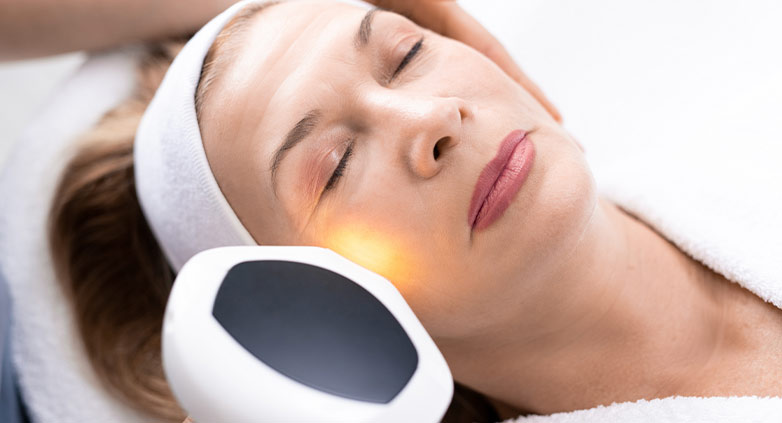
- Laser treatments: Effective but requires professional supervision
What Are Sun Spots?
Sun spots, also known as solar lentigines, are small, flat, darkened spots on the skin caused by prolonged exposure to ultraviolet (UV) rays. Unlike melasma, sun spots tend to appear with age and are more common in people over 40. These spots are usually harmless, but some people choose to remove them for cosmetic reasons.
Causes of Sun Spots:
- Cumulative sun exposure
- Aging
- Tanning beds
Symptoms of Sun Spots:
- Flat, dark spots, usually brown or black
- Often found on the face, hands, shoulders, and arms
- Larger than freckles, and typically irregular in shape
Treatment Options for Sun Spots:
- Laser therapy: Lightens sun spots effectively
- Cryotherapy: Freezes and removes the spots
- Chemical peels: Exfoliates and lightens the pigmented areas
What Are Birthmarks?
Birthmarks are skin irregularities present at birth or appearing shortly after. They can range from small, subtle discolorations to larger, raised areas. There are two main types of birthmarks:
- Vascular birthmarks: Caused by abnormal blood vessels under the skin (e.g., port-wine stains).
- Pigmented birthmarks: Due to excess pigment in the skin (e.g., café-au-lait spots, moles).
Causes of Birthmarks:
- Genetic factors
- Abnormal blood vessels
- Excess melanin production
Types of Birthmarks:
- Vascular birthmarks: Port-wine stains, hemangiomas
- Pigmented birthmarks: Moles, café-au-lait spots, Mongolian spots
Treatment for Birthmarks:
- Laser treatments: Effective for vascular birthmarks
- Surgical removal: For larger or problematic birthmarks
Key Differences Between Melasma, Sun Spots, and Birthmarks
Though these skin conditions may look similar, they have distinct causes, symptoms, and treatment options. Here’s a quick breakdown:
- Melasma is hormone-related and appears as symmetrical patches, often worsened by sun exposure.
- Sun Spots are caused by long-term sun exposure and age, manifesting as darkened spots on sun-exposed areas.
- Birthmarks are congenital and can either be pigmented or vascular, depending on their origin.
Empower Your Skin with Qazi Cosmetic Center:
At Qazi Cosmetic Center in Orange County, we offer personalized treatment plans to help you achieve clear, even-toned skin. Whether you’re dealing with melasma, sun spots, or birthmarks, our team of skincare professionals is here to guide you through the most effective options. Call us today at (949)-336-7293 to book your consultation.

Meet Dr. Nadir Qazi
While growing up in Chicago, I struggled for years with severe acne and scarring. Dealing with constant comments about my skin, especially from friends and family, wasn’t easy. That feeling of isolation and defeat hit me hard. Many around me were in the same position, yet there were very limited solutions available. This led me to determine my mission: to tirelessly build a unique medical practice where compassion meets science, providing proper care for every overlooked skin type and tone. At my Center, my team and I offer only clinically proven treatments that I have personally researched. My goal is to help others achieve their dreams, breaking free from the constraints of their physical appearance, and to be the support I needed the most.



