








Vitiligo is a skin condition that impacts millions of individuals globally, can lead to a variety of questions and misunderstandings. Among these questions, one stands out: is vitiligo genetic? We will talk about vitiligo, its genetic factors, the body areas it can affect, and the treatment options available. At Qazi Cosmetic Center in Orange County, our aim is to offer clarity and solutions for those dealing with this condition.
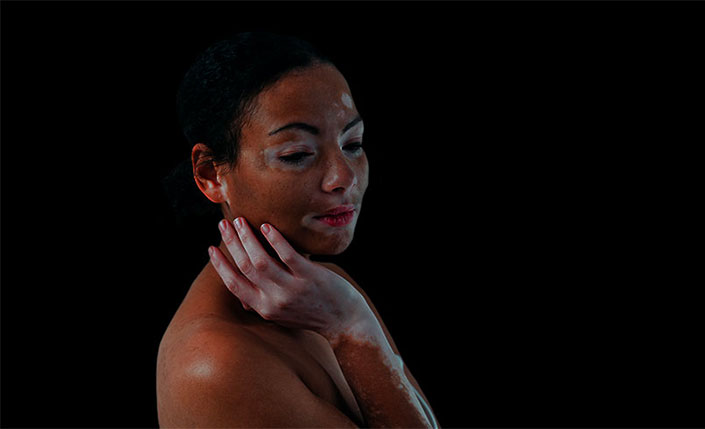
What is Vitiligo?
Vitiligo is a skin disorder characterized by the loss of pigment, resulting in white patches on the skin. It occurs when melanocytes, the cells responsible for producing skin pigment (melanin), are destroyed or stop functioning. The exact cause of vitiligo remains a subject of ongoing research, and genetic factors are believed to play a role.

Is Vitiligo Genetic?
While the exact cause of vitiligo is not fully understood, there is a genetic component associated with the condition. Studies have shown that individuals with a family history of vitiligo are more likely to develop it themselves. However, having a genetic predisposition does not guarantee that someone will develop vitiligo. It’s believed that a combination of genetic, autoimmune, and environmental factors contributes to the onset of vitiligo.
Areas on the Body Where You Can Get Vitiligo:
Vitiligo can affect any part of the body, and it often begins in areas where the skin is exposed to the sun, such as the face, hands, arms, and feet. It can also develop in less visible areas, including the armpits, genital region, and inside the mouth. The extent and location of vitiligo patches can vary from person to person.
Available Treatments for Vitiligo:
While there is no cure for vitiligo, several treatment options can help manage and improve the condition’s appearance. Some of the treatments available at Qazi Cosmetic Center in Orange County include:
- Topical Steroids: Corticosteroid creams or ointments can help to repigment the skin and reduce inflammation.
- Narrowband UVB Phototherapy: This treatment involves exposing the skin to UVB light, which can stimulate pigment-producing cells.
- Excimer Laser: The excimer laser targets small areas of vitiligo with a precise beam of UVB light.
- Micropigmentation (Tattooing): In some cases, micropigmentation can be used to tattoo pigment into the affected areas to match the surrounding skin.
- Corticosteroid Injections: For smaller areas of vitiligo, corticosteroid injections can help stimulate pigment production.
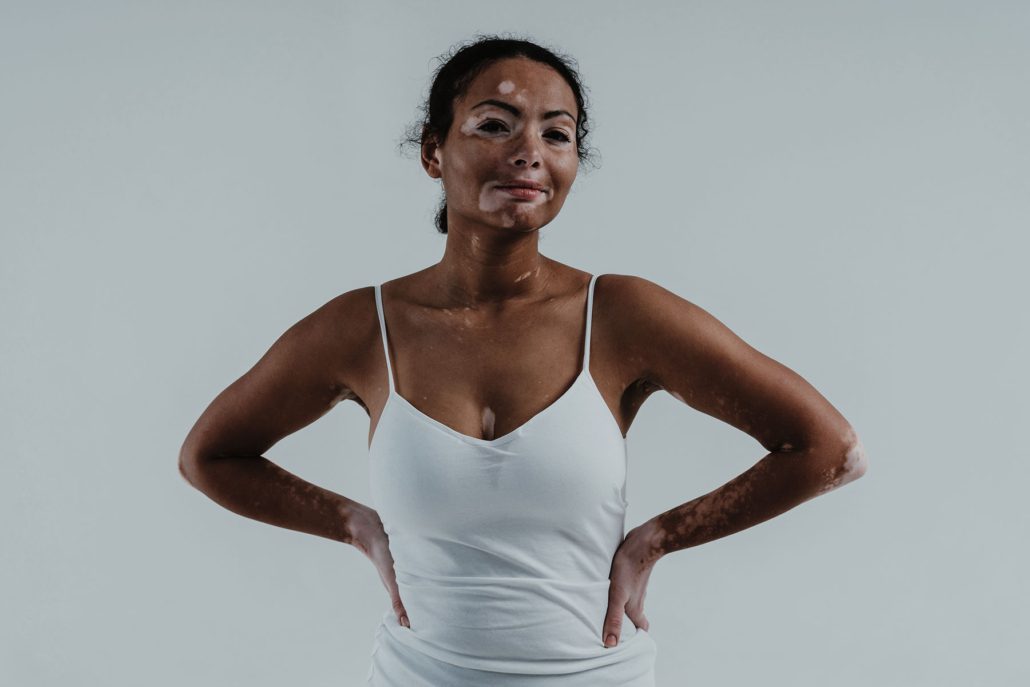
Professional Care at Qazi Cosmetic Center:
We provide personalized consultations, treatment plans, and ongoing support to help you manage your vitiligo effectively.
Vitiligo is a complex skin condition with genetic factors at play, but it’s not solely determined by genetics. If you’re living with vitiligo in Orange County and seeking answers and solutions, contact us at (949)-336-7293. At Qazi Cosmetic Center, we are here to provide support and effective treatments to help you manage your vitiligo and regain confidence in your skin. Your journey to understanding and addressing vitiligo starts with us.

Meet Dr. Nadir Qazi
While growing up in Chicago, I struggled for years with severe acne and scarring. Dealing with constant comments about my skin, especially from friends and family, wasn’t easy. That feeling of isolation and defeat hit me hard. Many around me were in the same position, yet there were very limited solutions available. This led me to determine my mission: to tirelessly build a unique medical practice where compassion meets science, providing proper care for every overlooked skin type and tone. At my Center, my team and I offer only clinically proven treatments that I have personally researched. My goal is to help others achieve their dreams, breaking free from the constraints of their physical appearance, and to be the support I needed the most.



