








People often wonder if their acne is the result of genetics. If you’ve struggled with breakouts while watching your parents or siblings face similar issues, you’re likely asking, “Can acne be genetic?” The short answer is yes, genetics can play a significant role in determining how prone you are to acne. Let’s dive deeper into the relationship between acne and genetics, and explore what you can do if you’re genetically predisposed to acne.
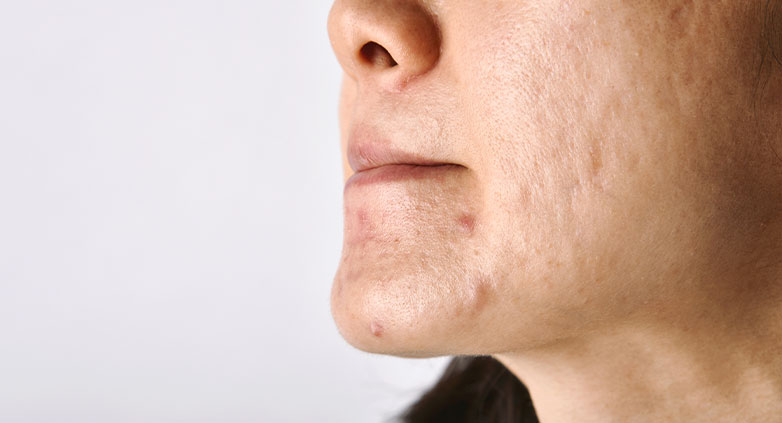
How Do Genetics Influence Acne?
Our genes determine many aspects of our lives, from eye color to height, and yes, even how our skin behaves. Genetic acne typically manifests in several ways, making certain individuals more prone to breakouts.
- Inflammatory Response: If your family has a history of inflammatory conditions, you may be more likely to experience inflamed, painful acne, as your immune system overreacts to bacteria on the skin.
- Sebum Production: Genetics can dictate how much oil, or sebum, your skin produces. People with genetically oily skin are more likely to experience clogged pores, leading to acne.
- Hormonal Fluctuations: Hormonal imbalances, which are often linked to genetics, can cause acne breakouts. Conditions such as polycystic ovarian syndrome (PCOS), which is known to be hereditary, can trigger persistent acne.
- Skin Cell Turnover: In some individuals, skin cells may not shed as quickly as they should. When old skin cells pile up, they can block pores and lead to acne.
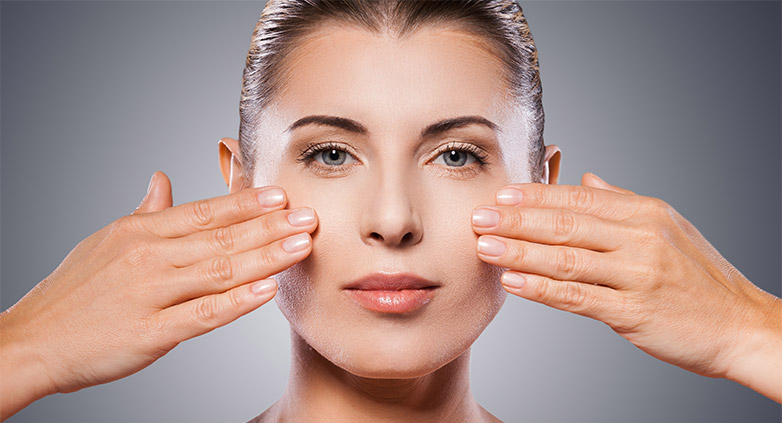
Are You at Risk for Genetic Acne?
While acne can be triggered by lifestyle, diet, and skincare habits, genetics increase your likelihood of experiencing breakouts. If your parents, siblings, or even extended family members have struggled with acne, it’s more likely that you’ll face a similar challenge.
Common Factors that Signal Genetic Acne:
- A family history of conditions like PCOS or other hormonal disorders.
- Both parents or one parent had severe or moderate acne during their teenage years or adulthood.
- Siblings are dealing with similar skin issues, such as breakouts or oily skin.
Acne Isn’t Just a Teenage Problem
Acne is often viewed as a teenage issue, but adult acne is increasingly common, especially when genetics are involved. While hormonal fluctuations during puberty are a major trigger for breakouts, adults in their 20s, 30s, and even 40s may experience acne, especially if it’s in their genes.
Can You Treat Genetic Acne?
The good news is that while you may have inherited a predisposition to acne, there are numerous treatment options available to control breakouts. At Qazi Cosmetic Center, we provide personalized solutions to treat acne, with a focus on what works best for your skin type.
Here’s how we can help:
- Topical Treatments: Prescription-strength topical creams containing retinoids, salicylic acid, or benzoyl peroxide can help clear acne by addressing excess oil and unclogging pores.
- Oral Medications: In more severe cases, oral medications like antibiotics, birth control pills, or isotretinoin (commonly known as Accutane) can be used to target acne from within.
- Laser and Light Therapy: Innovative laser treatments can reduce inflammation and target the bacteria that causes acne, leading to clearer skin over time.
- Chemical Peels: Chemical peels, which involve the application of a specialized solution to exfoliate the skin, are also highly effective in treating acne and improving skin texture.
Schedule Your Consultation:
While genetics can influence acne development, there are many effective ways to treat and manage breakouts. From topical treatments to advanced laser therapies, Qazi Cosmetic Center in Orange County has a wide range of options to help you combat acne. Call us today at (949)-336-7293.



