








Ever wondered if your skincare products are still safe to use? Expired skincare products can harm your skin and lead to irritation or breakouts. While it’s tempting to hold on to that favorite serum, knowing when to toss it is crucial for maintaining a healthy skincare routine.
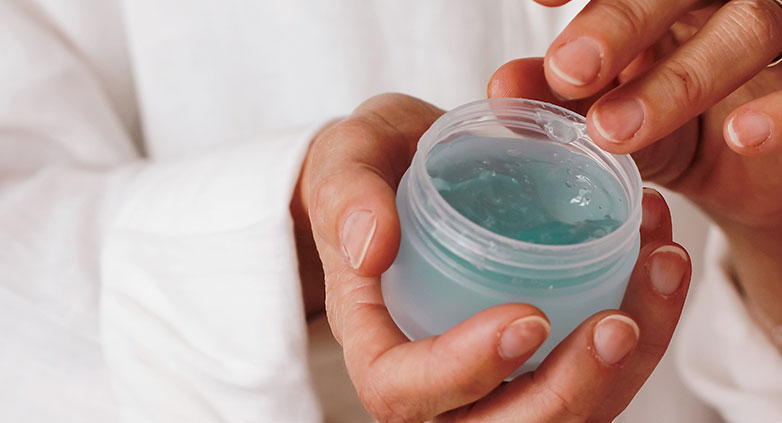
How Long Do Skincare Products Typically Last?
Most skincare products have a shelf life ranging from six months to two years. The lifespan of a product depends on various factors, including its ingredients, packaging, and how it’s stored. Here’s a quick breakdown:
- Cleansers: Usually last about one year.
- Toners: Can last up to two years if stored properly.
- Serums and Moisturizers: Typically have a shelf life of six months to one year.
- Sunscreens: Often expire after one year; always check the expiration date on the bottle.
- Retinoids and Vitamin C Products: These tend to expire faster, usually within six months.
Key Signs Your Skincare Has Expired
Understanding when your skincare products have passed their prime is essential. Here are some common indicators:
1. Change in Color
- Products like serums, creams, or gels may change color when they expire. For instance, if a clear serum turns yellowish or a white cream develops a brown tint, it’s likely expired.
2. Odd Smell
- Expired skincare products often develop a foul or sour smell. If your moisturizer or serum smells different from when you first purchased it, it’s time to toss it out.
3. Texture Changes
- Pay attention to changes in texture. An expired cream may become runny, clumpy, or separated. If a product feels grainy or doesn’t apply smoothly, it’s best to discontinue use.
4. Irritation or Breakouts
- Using expired products can cause redness, irritation, or breakouts. If you notice any of these issues after applying a product that’s been sitting on your shelf for a while, stop using it immediately.

Why It’s Important to Use Fresh Skincare Products
Expired skincare products don’t just lose their effectiveness; they can also harm your skin. Here’s why you should avoid using expired products:
- Reduced Potency: Active ingredients like vitamin C, retinoids, and sunscreen lose their effectiveness over time, making them less capable of protecting or repairing your skin.
- Bacterial Growth: Expired products can become breeding grounds for bacteria, leading to infections, acne, or other skin issues.
- Chemical Changes: Some ingredients may break down into harmful compounds that could irritate your skin or cause allergic reactions.
How to Store Skincare Products for Longevity
To get the most out of your skincare products, proper storage is key. Here are some tips:
- Keep Products in a Cool, Dark Place: Avoid storing products in warm or humid places, such as the bathroom. Exposure to light and heat can speed up the degradation process.
- Tighten Lids Securely: Make sure to seal containers tightly after each use to keep air and bacteria out.
- Check Expiration Dates: Look for expiration dates or the “Period After Opening” (PAO) symbol on your products. The PAO symbol looks like an open jar with a number (e.g., 6M for six months).
- Use Applicators: When possible, use applicators instead of dipping your fingers directly into jars to reduce the chance of contamination.
What to Do If You’re Unsure
If you’re ever in doubt about a product’s freshness, it’s best to err on the side of caution. Discard products that show any signs of expiration. For expert advice, you can always consult a professional.
Tip: At Qazi Cosmetic Center in Orange County, our skin experts can evaluate your skincare routine and recommend fresh, effective products suited to your skin type.
Contac Us Today
Knowing when your skincare products have expired is essential for maintaining healthy and glowing skin. By checking for changes in color, smell, and texture, you can ensure you’re not using harmful products. Remember, expired products can cause irritation, reduced effectiveness, and even bacterial infections. Contact us at (949)-336-7293 for expert advice and insights.

Meet Dr. Nadir Qazi
While growing up in Chicago, I struggled for years with severe acne and scarring. Dealing with constant comments about my skin, especially from friends and family, wasn’t easy. That feeling of isolation and defeat hit me hard. Many around me were in the same position, yet there were very limited solutions available. This led me to determine my mission: to tirelessly build a unique medical practice where compassion meets science, providing proper care for every overlooked skin type and tone. At my Center, my team and I offer only clinically proven treatments that I have personally researched. My goal is to help others achieve their dreams, breaking free from the constraints of their physical appearance, and to be the support I needed the most.



