








Fungal acne, also known as pityrosporum folliculitis, is a common skin condition that can cause small, itchy, and acne-like bumps on the skin. At Qazi Cosmetic Center in Orange County, under the expert guidance of Dr. Qazi, we understand the frustration and discomfort that this condition can bring. In this article, we will explore the causes of fungal acne, how to identify it, and the effective treatments available at our center. If you are struggling with this condition, please contact us at (949) 336-7293 to schedule a consultation.
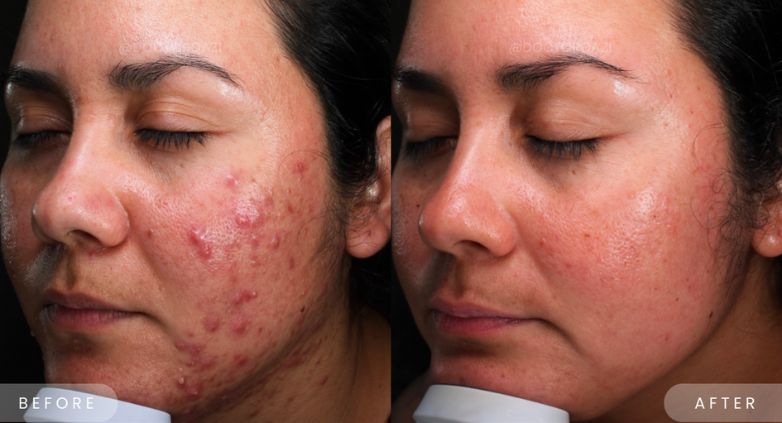
Understanding Fungal Acne
Fungal acne is different from traditional bacterial acne as it is caused by an overgrowth of yeast called Malassezia. This yeast is naturally present on the skin, but when it proliferates due to factors like humidity, excessive sweat, or certain skincare products, it can lead to the development of this condition.
Identifying Fungal Acne
Fungal acne can be mistaken for traditional acne or other skin conditions, making proper identification essential for effective treatment. Key characteristics of this condition include:
- Appearance: This condition typically appears as uniform, small red or skin-colored bumps, often in clusters. Unlike traditional acne, fungal acne rarely contains whiteheads or blackheads.
- Itchiness: Fungal acne tends to be intensely itchy, especially after sweating or exposure to warmth.
- Location: Common areas for this condition include the chest, back, shoulders, and upper arms. It can also occur on the face, particularly in the T-zone.

Effective Treatments for Fungal Acne
- Antifungal Topicals: Over-the-counter or prescription-strength antifungal creams containing ingredients like ketoconazole or clotrimazole can effectively target and eliminate the yeast causing fungal acne.
- Topical Retinoids: Retinoids can help promote cell turnover and unclog pores, aiding in the treatment of fungal acne.
- Salicylic Acid: Salicylic acid can help exfoliate the skin and reduce inflammation associated with this condition.
- Avoiding Triggering Factors: Minimizing factors that contribute to fungal acne, such as excessive sweating or wearing tight-fitting clothing, can aid in prevention.
- Gentle Cleansing: Using a gentle, non-comedogenic cleanser can help keep the skin clean without further irritating the affected areas.
Other Alternatives: Accure Laser
Accure laser presents an innovative alternative for treating fungal acne. Fungal acne, often mistaken for traditional acne, is caused by yeast rather than bacteria. These advanced laser utilize specific wavelengths to target and destroy the fungal overgrowth, effectively addressing the root cause. Accure laser offers non-invasive, precise treatments that can help eliminate fungal acne without the need for antibiotics or topical treatments. It’s tailored approach and minimal discomfort make them promising solutions for those seeking an alternative to traditional treatments. Consulting with a dermatologist or skincare professional can help determine if Accure laser are suitable for your fungal acne concerns.
Expert Consultation at Qazi Cosmetic Center
If you suspect you have fungal acne or have struggled to find relief with over-the-counter treatments, it is crucial to seek professional guidance. At Qazi Cosmetic Center in Orange County, Dr. Qazi and our experienced team offer personalized consultations to diagnose and address your specific fungal acne concerns.
Fungal acne can be a bothersome and distressing condition, but effective solutions are available to help you achieve clear, healthy skin. At Qazi Cosmetic Center in Orange County, we offer treatments tailored to your unique needs, including antifungal topicals, topical retinoids, and salicylic acid. By avoiding triggering factors and maintaining a gentle skincare routine, you can effectively manage this condition and regain your confidence. To learn more or to schedule a consultation, please contact us at (949) 336-7293. Trust the expertise of Dr. Qazi and our team to help you overcome fungal acne and achieve the radiant complexion you deserve.

Meet Dr. Nadir Qazi
While growing up in Chicago, I struggled for years with severe acne and scarring. Dealing with constant comments about my skin, especially from friends and family, wasn’t easy. That feeling of isolation and defeat hit me hard. Many around me were in the same position, yet there were very limited solutions available. This led me to determine my mission: to tirelessly build a unique medical practice where compassion meets science, providing proper care for every overlooked skin type and tone. At my Center, my team and I offer only clinically proven treatments that I have personally researched. My goal is to help others achieve their dreams, breaking free from the constraints of their physical appearance, and to be the support I needed the most.



