








Hyperpigmentation, a common skin concern, can impact one’s self-confidence and complexion. Situated in the heart of Orange County, Qazi Cosmetic Center, led by Dr. Qazi, offers a range of advanced treatments to address hyperpigmentation and help individuals achieve a brighter and more even skin tone. This comprehensive article delves into the world of pigmentation, exploring effective treatments, causes, and Qazi Cosmetic Center’s expertise in providing personalized solutions. Contact us today to schedule a consultation.
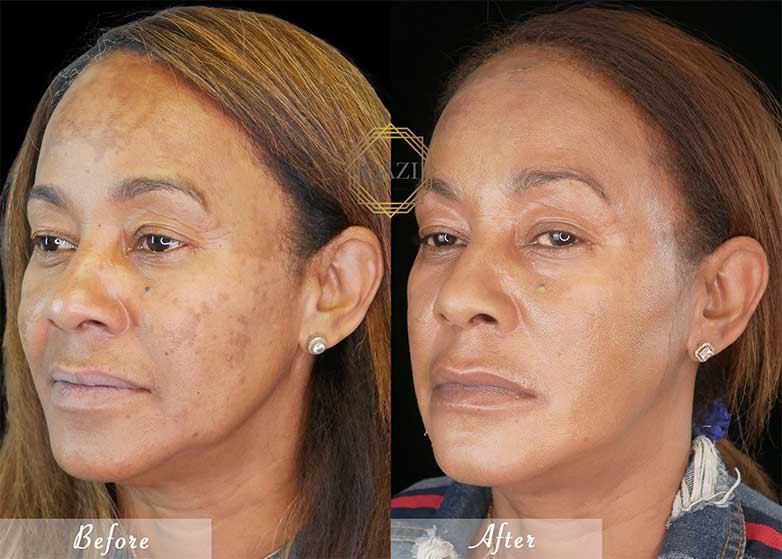
What is Hyperpigmentation?
Hyperpigmentation is a common skin condition characterized by the darkening of patches of skin compared to the surrounding area. It occurs when an excess of melanin, the pigment responsible for skin color, is produced in certain areas. Hyperpigmentation can be caused by various factors and can manifest in different forms on the skin.
Types of Hyperpigmentation
There are several types of hyperpigmentation, each with distinct characteristics. Melasma, as mentioned, presents as larger patches of darkened skin, usually on the face. Freckles, also known as ephelides, are small, concentrated spots of hyperpigmentation that are often genetically determined and can darken with sun exposure. Lentigines, commonly referred to as age spots or liver spots, appear as flat, light to dark brown spots that increase with age and sun exposure. Post-inflammatory hyperpigmentation, resulting from skin trauma or inflammation, manifests as darker spots in areas where the skin has healed.
Hyperpigmentation Treatment
Hyperpigmentation, the darkening of patches of skin due to increased melanin production, is a common concern that individuals seek to address. Effective hyperpigmentation treatment involves a combination of approaches tailored to the type of hyperpigmentation, underlying causes, and individual skin characteristics.
Topical Treatments:
Topical treatments play a pivotal role in managing hyperpigmentation. Over-the-counter and prescription creams containing active ingredients like hydroquinone, retinoids, alpha hydroxy acids (AHAs), and vitamin C can help regulate melanin production and promote skin cell turnover. These treatments work gradually over time and require consistency for noticeable results. Sunscreen is a non-negotiable component of hyperpigmentation treatment, as UV exposure can worsen pigmentation.
Professional Procedures:
For more intensive results, dermatological procedures are available. Chemical peels involve applying a solution to exfoliate the skin’s top layers and promote the growth of new, even-toned skin. Microdermabrasion uses mechanical exfoliation to improve skin texture and tone. Laser therapies, such as intense pulsed light (IPL) and fractional lasers, target melanin in the skin, breaking down pigmentation and promoting skin rejuvenation.
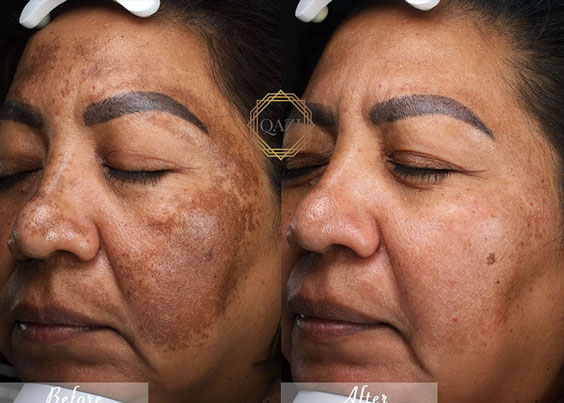
Post-Inflammatory Hyperpigmentation
Post-inflammatory hyperpigmentation (PIH) is a common skin concern characterized by the darkening of skin in areas where inflammation or injury has occurred. This condition can result from various causes, and its management involves a multi-faceted approach tailored to the individual’s skin type, the underlying cause, and the severity of the pigmentation.
Causes and Characteristics:
PIH occurs as a response to skin trauma, inflammation, or injury. Conditions such as acne, eczema, psoriasis, burns, cuts, and even aggressive skin treatments can trigger PIH. The inflammation prompts the skin to produce excess melanin, leading to the appearance of darker spots or patches. These spots can range from light brown to deep, almost black in color, depending on factors such as the individual’s skin tone and the severity of the inflammation.
Treatment Strategies:
The management of PIH involves a combination of preventive measures, topical treatments, and professional procedures. Preventing further inflammation is crucial. This can be achieved by avoiding picking or squeezing acne lesions, protecting the skin from excessive sun exposure, and using gentle skincare products. Sunscreen is a non-negotiable component of PIH management, as UV radiation can worsen pigmentation.
Topical Treatments and Professional Procedures:
Topical treatments containing active ingredients like hydroquinone, retinoids, alpha hydroxy acids (AHAs), and vitamin C can help fade PIH by regulating melanin production and promoting skin cell turnover. However, it’s important to use these treatments under the guidance of a dermatologist, especially for individuals with darker skin tones, as some ingredients can cause irritation. Professional procedures, including chemical peels and laser therapies, can accelerate the fading of PIH by promoting skin exfoliation and collagen remodeling.
Hyperpigmentation on the Face
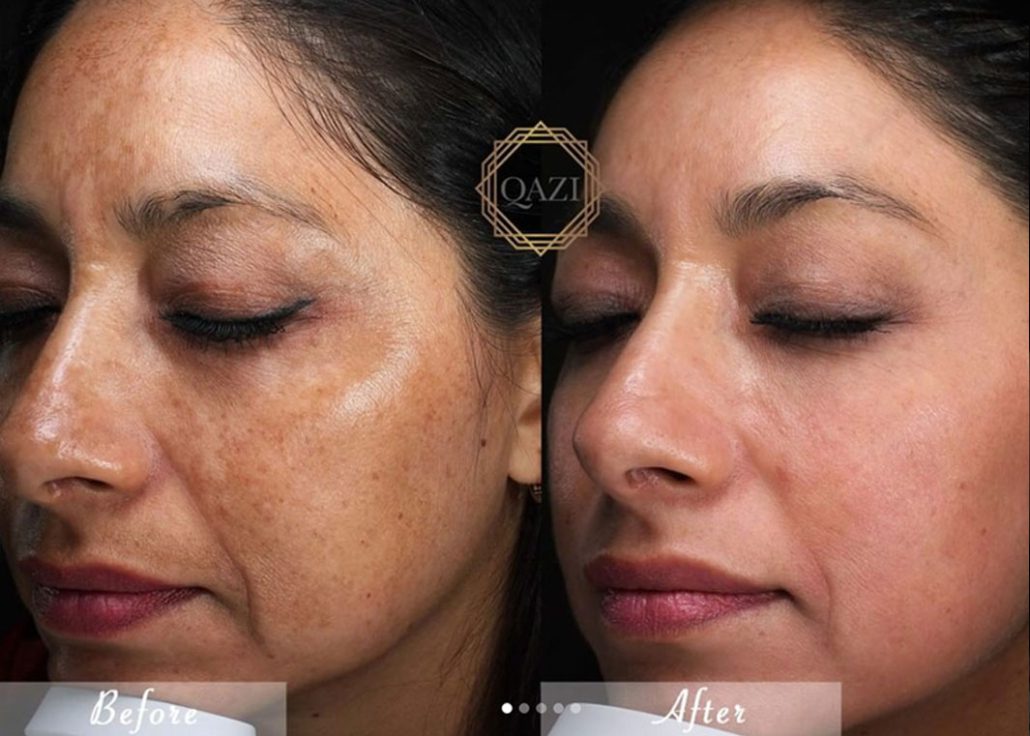
Hyperpigmentation on the face is a common cosmetic concern that can impact self-esteem and overall skin appearance. Understanding the causes and implementing effective treatment strategies are key to managing facial hyperpigmentation.
Causes and Types of Facial Hyperpigmentation:
Facial hyperpigmentation can stem from various factors, including sun exposure, hormonal changes, inflammation, and skin injuries. Sun-induced hyperpigmentation includes freckles, lentigines, and melasma. Freckles are small, concentrated spots often influenced by genetics and sun exposure. Lentigines, commonly known as age spots, tend to develop with age and prolonged sun exposure. Melasma presents as larger, symmetrical patches, often triggered by hormonal fluctuations such as pregnancy or birth control usage. Post-inflammatory hyperpigmentation results from skin inflammation or injury, causing dark spots to develop in the affected areas.
Topical Treatments and Skincare:
Topical treatments form a significant part of managing facial hyperpigmentation. Products containing ingredients like hydroquinone, retinoids, vitamin C, niacinamide, and alpha hydroxy acids (AHAs) can help regulate melanin production, promote skin cell turnover, and lighten dark spots. Sunscreen is a non-negotiable component to prevent further pigmentation, as sun exposure can worsen existing hyperpigmentation. Establishing a consistent skincare routine with gentle cleansers, moisturizers, and targeted treatments can contribute to overall skin health and improved hyperpigmentation.
Professional Procedures and Interventions:
For more intensive results, professional procedures are available to address facial hyperpigmentation. Chemical peels involve applying a solution to exfoliate the skin’s top layers, revealing fresh, even-toned skin underneath. Microdermabrasion uses mechanical exfoliation to improve skin texture and promote a more uniform appearance. Laser therapies, such as intense pulsed light (IPL) and fractional lasers, target melanin and break down pigmentation, encouraging skin rejuvenation. These procedures require professional expertise and may necessitate multiple sessions for optimal outcomes.
How to Get Rid of Hyperpigmentation
The journey to achieving clear and even skin involves both professional treatments and proactive skincare. A multi-faceted approach that includes topical treatments, chemical peels, and laser therapy can effectively lighten hyperpigmented areas. Patients are also encouraged to maintain a consistent skincare routine and adhere to sun protection practices to prevent further pigmentation.
Lifestyle Adjustments and Sun Protection:
Preventive measures are crucial to managing hyperpigmentation. Avoiding sun exposure, especially during peak hours, and consistently wearing broad-spectrum sunscreen with an SPF of 30 or higher can prevent further darkening of pigmented areas. Sunscreen should be applied generously and reapplied throughout the day, particularly if engaging in outdoor activities. Protective clothing, wide-brimmed hats, and seeking shade further contribute to sun protection.
What Causes Hyperpigmentation?
Melanin and its Role:
Melanin is the pigment responsible for determining the color of our skin, hair, and eyes. It’s produced by specialized cells called melanocytes. The amount and distribution of melanin in the skin contribute to an individual’s skin tone. When melanocytes produce excess melanin, hyperpigmentation can occur, resulting in darker patches or spots on the skin.
Sun Exposure and UV Radiation:
One of the primary causes of hyperpigmentation is sun exposure and ultraviolet (UV) radiation. When the skin is exposed to UV rays, the body’s natural defense mechanism is to produce more melanin as a protective response. This leads to tanning, but it can also result in the formation of uneven pigmentation, such as freckles, sun spots, and melasma. People with fair skin and those who spend a lot of time in the sun are particularly susceptible to UV-induced hyperpigmentation.
Hormonal Factors:
Hormonal fluctuations can also trigger hyperpigmentation. Conditions such as melasma, often referred to as the “mask of pregnancy,” occur due to hormonal changes during pregnancy, birth control pill usage, or hormone replacement therapy. These changes can stimulate melanocytes to produce more melanin, leading to the characteristic dark patches often seen on the face.
Inflammation and Post-Inflammatory Hyperpigmentation:
Skin inflammation resulting from acne, injuries, burns, or skin conditions can lead to a type of hyperpigmentation known as post-inflammatory hyperpigmentation (PIH). In response to inflammation, melanocytes may produce excess melanin, causing dark spots to develop in the affected areas. PIH can affect individuals with all skin types but is more common in those with darker skin tones.
Why Choose Qazi Cosmetic Center?
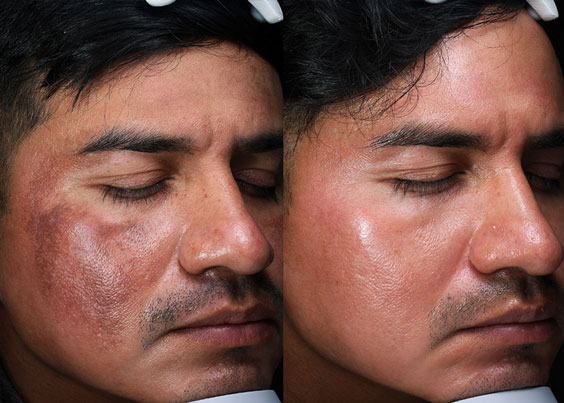
Qazi Cosmetic Center, under the guidance of Dr. Qazi, is dedicated to helping individuals achieve their skincare goals through advanced techniques and personalized care. With a commitment to patient education, exceptional outcomes, and overall well-being, the center offers a supportive environment for each patient’s transformative journey.
Dr. Qazi’s expertise ensures that hyperpigmentation treatment plans are tailored to the individual’s skin type, hyperpigmentation type, and desired results. The center’s team understands that achieving an even and radiant complexion requires a comprehensive approach that considers both physical and emotional aspects of skin health.
Contact Qazi Cosmetic Center Today
Are you ready to embrace the journey to clearer, more radiant skin? Contact Qazi Cosmetic Center today at (949) 336-7293 to schedule your consultation. Dr. Qazi and his dedicated team are excited to guide you through your transformative skincare journey.
“The treatment experience at this office is second to none! The staff are highly trained and skilled, and the attention to detail is incredible. My treatment started with an in depth consultation for my dark spots. The explanation of how it was tailored specifically to my needs was helpful because I tried creams and subscriptions to creams and nothing helped to feel like I didn’t have to cover it up with make up. I love my skin now and feel better just waking up and getting on with my day. I recommend Dr Qazi and won’t go to any one else for my skin treatments. This place has been the best”
– Yelp – L.M., Westminster CA


Meet Dr. Nadir Qazi
While growing up in Chicago, I struggled for years with severe acne and scarring. Dealing with constant comments about my skin, especially from friends and family, wasn’t easy. That feeling of isolation and defeat hit me hard. Many around me were in the same position, yet there were very limited solutions available. This led me to determine my mission: to tirelessly build a unique medical practice where compassion meets science, providing proper care for every overlooked skin type and tone. At my Center, my team and I offer only clinically proven treatments that I have personally researched. My goal is to help others achieve their dreams, breaking free from the constraints of their physical appearance, and to be the support I needed the most.



