








At Qazi Cosmetic Center in Orange County, we understand the impact that acne can have on your self-confidence and overall well-being. That’s why we offer a range of effective acne treatment options to help you achieve clear and healthy skin. In this article, we will explore some of the most effective acne treatment options available at Qazi Cosmetic Center.
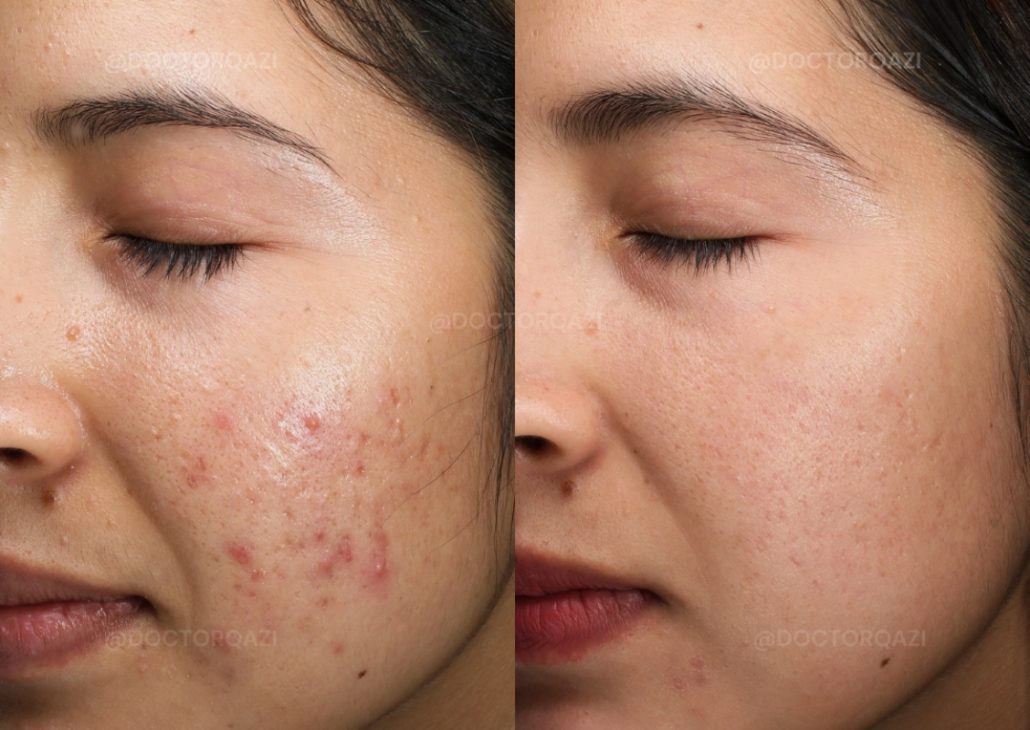
Topical Medications
Topical medications are a common treatment option for mild to moderate acne. These medications are applied directly to the skin and work by killing bacteria, reducing inflammation, and unclogging pores. Some of the most commonly prescribed topical medications for acne include:
- Benzoyl Peroxide: This medication works by killing bacteria and reducing inflammation. It is available over-the-counter or by prescription in various strengths.
- Retinoids: Retinoids are derived from vitamin A and work by unclogging pores and reducing inflammation. They are available by prescription only.
- Salicylic Acid: Salicylic acid works by unclogging pores and reducing inflammation. It is available over-the-counter or by prescription in various strengths.
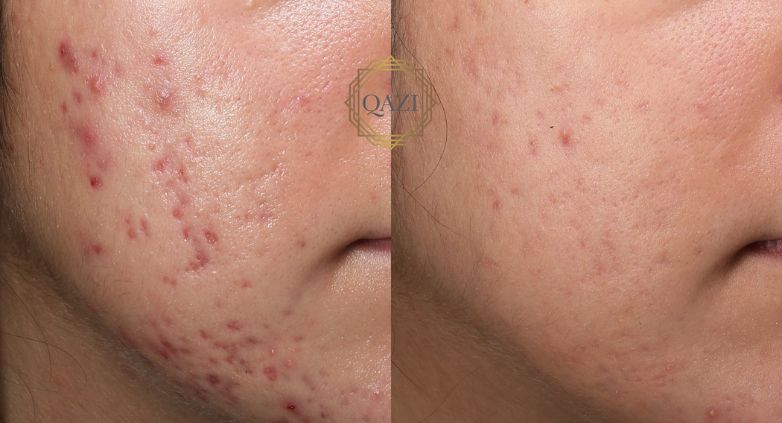
Acne Treatment Options: Oral Medications
Oral medications may be prescribed for moderate to severe acne that does not respond to topical treatments. These medications work by reducing inflammation and killing bacteria. Some of the most commonly prescribed oral medications for acne include:
- Antibiotics: Antibiotics work by killing bacteria that contribute to acne breakouts. They are available by prescription only.
- Hormonal Therapies: Hormonal therapies, such as birth control pills or spironolactone, can help regulate hormone levels and reduce acne breakouts in some individuals.
- Isotretinoin: Isotretinoin is a powerful medication that is reserved for severe acne that does not respond to other treatments. It works by reducing oil production and inflammation. Isotretinoin is available by prescription only and requires close monitoring by a healthcare provider.
Accure Laser for Active Acne
The Accure Laser is a non-invasive solution for treating acne that was designed by Harvard dermatologists. It is guaranteed to reduce acne after 6 months of treatment and works on all skin types. The laser treatment is painless and requires minimal downtime, allowing patients to resume their daily activities immediately after treatment. The Accure Laser also promotes collagen remodeling, which can improve the appearance of acne scars. Clinical studies have shown that 90% of patients saw improvement with 3 sessions, and 100% of patients saw improvement with 4 sessions.
Chemical Peels
Chemical peels can be an effective treatment option for improving skin texture, reducing the appearance of fine lines and wrinkles, and promoting a more youthful complexion. At Qazi Cosmetic Center, we offer a range of chemical peels that can be customized to your specific skin concerns and needs.
Cystic Acne Treatments
Cystic acne, a severe form of acne, often requires targeted and comprehensive treatment strategies to effectively manage its symptoms and prevent scarring. Dermatologists typically recommend a multi-pronged approach to address this condition. Topical treatments containing ingredients like benzoyl peroxide, salicylic acid, or retinoids can help unclog pores, reduce inflammation, and promote cell turnover. Oral antibiotics may be prescribed to target the bacteria contributing to the acne, while hormonal therapies such as birth control pills can help balance hormones and control sebum production. In more resistant cases, isotretinoin, a potent oral medication, may be considered to regulate oil production and prevent severe scarring. In addition to medical interventions, lifestyle adjustments like maintaining a gentle skincare routine, avoiding excessive touching of the affected area, and managing stress can also contribute to the success of cystic acne treatments. However, due to the potential for side effects and individual variability, it’s crucial for individuals to consult with a dermatologist to develop a personalized treatment plan tailored to their specific needs and concerns.
Acne Scar Treatments
Acne scar treatments encompass a range of approaches aimed at minimizing the appearance of scars left behind by previous acne breakouts, helping to restore smoother and more even skin texture. Depending on the type and severity of the scars, various treatments can be utilized. For milder scars, topical treatments containing ingredients like vitamin C, retinoids, and alpha hydroxy acids can promote collagen production and improve skin tone. More advanced techniques include chemical peels and microdermabrasion, which exfoliate the skin’s top layer to encourage the growth of new, healthier skin. In cases of deeper scars, dermatologists might recommend procedures like laser therapy, fractional laser resurfacing, or microneedling to stimulate collagen production and enhance skin texture. For particularly stubborn scars, dermal fillers can be injected to elevate depressions and create a smoother skin surface. It’s important to note that results can vary, and a tailored approach under the guidance of a dermatologist or skin care professional is essential to determine the most suitable treatment or combination of treatments for an individual’s specific scar type and skin condition.
Hormonal Acne Treatments
Hormonal acne treatments are specifically designed to address acne that is influenced by hormonal fluctuations, often seen in adolescents, women during their menstrual cycles, and individuals with hormonal imbalances. These treatments focus on regulating hormone levels, sebum production, and the inflammation associated with hormonal breakouts. Oral contraceptives, commonly known as birth control pills, are frequently prescribed to help stabilize hormone fluctuations and reduce the severity of acne in women. Anti-androgen medications can also be used to counteract the effects of excess male hormones, which can contribute to acne. In cases of severe hormonal acne, dermatologists might recommend oral antibiotics or topical treatments like retinoids and benzoyl peroxide to address inflammation and bacterial growth. Lifestyle adjustments, including maintaining a balanced diet, managing stress, and practicing proper skincare, can complement hormonal acne treatments for more comprehensive results. Consulting a dermatologist is crucial to determine the underlying hormonal factors contributing to the acne and to devise a tailored treatment plan that effectively addresses individual needs.
Back Acne Treatments
Back acne, also known as “bacne,” can be an uncomfortable and challenging condition to manage. Treatment options for back acne typically mirror those used for facial acne, but considering the thicker and less sensitive skin on the back, more aggressive approaches can often be employed. Topical treatments containing benzoyl peroxide, salicylic acid, or glycolic acid can help unclog pores, reduce inflammation, and prevent new breakouts. Regular exfoliation, through methods like gentle scrubs or body washes with exfoliating ingredients, can also aid in preventing the buildup of dead skin cells and sebum. For more persistent cases, oral antibiotics might be prescribed to tackle bacterial growth. In severe instances, a dermatologist may recommend stronger medications like oral retinoids, such as isotretinoin. Proper hygiene practices, wearing breathable clothing, and avoiding tight-fitting materials can also help manage back acne. Consistency and patience are key, as back acne treatments often require several weeks to show noticeable improvement. Consulting a dermatologist can provide personalized guidance on the most effective treatment plan for addressing back acne concerns.
Fungal Acne Treatments
Fungal acne, often mistaken for traditional acne, is caused by an overgrowth of yeast on the skin’s surface, typically Malassezia. Unlike bacterial acne, fungal acne treatments target the underlying yeast infection. Antifungal ingredients such as ketoconazole or pyrithione zinc found in medicated shampoos can be used as cleansers. Topical antifungal creams or ointments containing ingredients like clotrimazole or econazole can be effective in controlling fungal acne. It’s important to avoid pore-clogging products and opt for oil-free, non-comedogenic skincare items. In more persistent cases, oral antifungal medications may be prescribed by a dermatologist. Maintaining proper hygiene, using lightweight and breathable fabrics, and allowing the skin to remain dry are crucial to preventing the recurrence of fungal acne. Consulting a dermatologist is essential for an accurate diagnosis and tailored treatment plan, as mismanagement can exacerbate the condition or lead to other skin issues.
Laser Treatment for Acne Scars
Laser treatment for acne scars is a popular and effective option for improving the appearance of both shallow and deep scars left behind by acne breakouts. Different types of lasers, such as fractional lasers or ablative lasers, work by delivering targeted energy to the skin, promoting collagen production, and resurfacing the damaged tissue. Fractional lasers create microscopic channels in the skin, stimulating collagen remodeling and encouraging new, healthy skin growth. Ablative lasers remove thin layers of the skin’s surface, promoting the regeneration of smoother skin. Non-ablative lasers, on the other hand, heat the skin’s underlying layers to stimulate collagen production without removing the top layer. Laser treatments can help minimize the appearance of scars, improve skin texture, and enhance overall skin tone. Depending on the severity of the scars, multiple sessions may be required for optimal results. After laser treatment, some downtime is usually necessary for the skin to heal and rejuvenate. Consulting a dermatologist or a qualified skincare professional is essential to determine the most suitable laser treatment based on the individual’s skin type, scar type, and desired outcomes.
Contact Qazi Cosmetic Center Today
At Qazi Cosmetic Center in Orange County, we understand the impact that acne can have on your self-confidence and overall well-being. That’s why we offer a range of effective acne treatment options to help you achieve clear and healthy skin. Whether you’re struggling with mild or severe acne, our experienced team, led by Dr. Qazi, can provide personalized guidance and treatment options tailored to your specific needs. Contact us at (949) 336-7293 to schedule a consultation and take the first step towards achieving clear and healthy skin.

Meet Dr. Nadir Qazi
While growing up in Chicago, I struggled for years with severe acne and scarring. Dealing with constant comments about my skin, especially from friends and family, wasn’t easy. That feeling of isolation and defeat hit me hard. Many around me were in the same position, yet there were very limited solutions available. This led me to determine my mission: to tirelessly build a unique medical practice where compassion meets science, providing proper care for every overlooked skin type and tone. At my Center, my team and I offer only clinically proven treatments that I have personally researched. My goal is to help others achieve their dreams, breaking free from the constraints of their physical appearance, and to be the support I needed the most.



