








Two common concepts are often mistaken for one another: Post-Inflammatory Erythema (PIE) and Post-Inflammatory Hyperpigmentation (PIH). While their names may sound similar, these skin conditions are distinct in appearance and characteristics. Learn about the distinctions of PIE and PIH, when to seek treatment, and available options at Qazi Cosmetic Center in Orange County. Reach out to us at (949)-336-7293 to shedule a consultation.
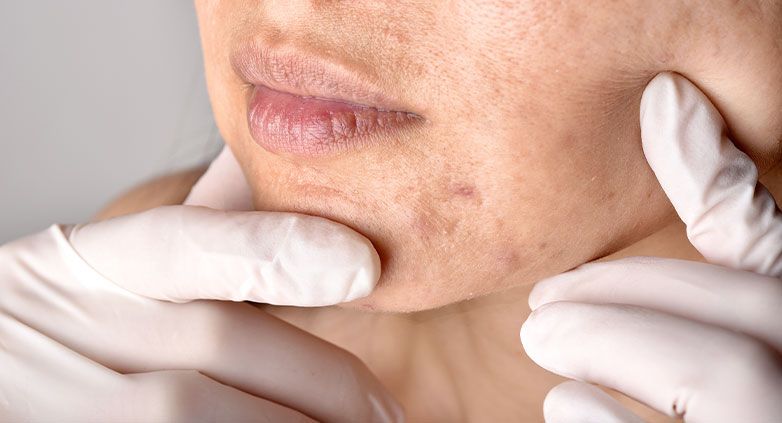
Understanding PIE and PIH
- Post-Inflammatory Erythema (PIE): PIE manifests as flat, red, or purplish marks on the skin. It results from vascular inflammation following trauma or injury, such as acne, insect bites, or minor skin damage.
- Post-Inflammatory Hyperpigmentation (PIH): In contrast, PIH involves dark, pigmented marks that emerge due to an overproduction of melanin in response to inflammation or injury. PIH can appear brown, tan, or even black, depending on the individual’s skin tone.
Key Differences
- Color: The most apparent difference is the color. PIE is red or purplish, while PIH is darker, often appearing brown or tan.
- Cause: PIE is linked to vascular inflammation and blood vessels, while PIH is the result of increased melanin production.
- Duration: PIE can persist for several months or even years, but PIH often lingers for a more extended period.
- Response to Pressure: When pressed, PIE blanches, meaning it turns paler for a moment, and then returns to its original color. PIH doesn’t exhibit this blanching effect.
- Treatment Approach: Treatment approaches for PIE and PIH differ due to their distinct causes. It’s crucial to correctly diagnose the condition before determining the appropriate treatment.
Treatment Options
- PIE Treatment:
- Topical Creams: Niacinamide, azelaic acid, or licorice root extract-containing creams can help reduce redness.
- Chemical Peels: Chemical peels can exfoliate the top skin layer to promote new, less discolored skin growth.
- Laser Therapy: Various lasers, such as pulsed-dye lasers, target the redness of PIE marks.
- Intense Pulsed Light (IPL) Therapy: IPL treatments can reduce redness and improve the appearance of PIE.
- PIH Treatment:
- Topical Skin Lighteners: Creams with ingredients like hydroquinone, kojic acid, or glycolic acid can help lighten dark marks.
- Chemical Peels: Chemical peels may be suitable for PIH by exfoliating the skin’s surface.
- Microdermabrasion: This exfoliation technique can reduce the appearance of PIH.
- Laser Therapy: Fractional lasers or Q-switched lasers can effectively treat PIH.
Contact Qazi Cosmetic Center Today
Distinguishing between Post-Inflammatory Erythema (PIE) and Post-Inflammatory Hyperpigmentation (PIH) is vital for determining appropriate treatment strategies. If you’re in Orange County and experiencing persistent skin blemishes, don’t hesitate to contact Dr. Qazi at Qazi Cosmetic Center. Our expert team can provide the right diagnosis and guide you towards the most effective treatment options for your specific condition. Reach out to us at (949)-336-7293 to schedule a consultation.

Meet Dr. Nadir Qazi
While growing up in Chicago, I struggled for years with severe acne and scarring. Dealing with constant comments about my skin, especially from friends and family, wasn’t easy. That feeling of isolation and defeat hit me hard. Many around me were in the same position, yet there were very limited solutions available. This led me to determine my mission: to tirelessly build a unique medical practice where compassion meets science, providing proper care for every overlooked skin type and tone. At my Center, my team and I offer only clinically proven treatments that I have personally researched. My goal is to help others achieve their dreams, breaking free from the constraints of their physical appearance, and to be the support I needed the most.



