








The world of skincare and dermatology often revolves around the complex world of skin pigmentation. Two terms you might have encountered on your journey are hyperpigmentation and hypopigmentation. These conditions may sound similar, but they represent two distinct sides of the pigmentation spectrum. In this article, we’ll delve into the definitions of hyperpigmentation and hypopigmentation, highlight their differences, and discuss treatment options for both. Contact Qazi Cosmetic Center for more information.
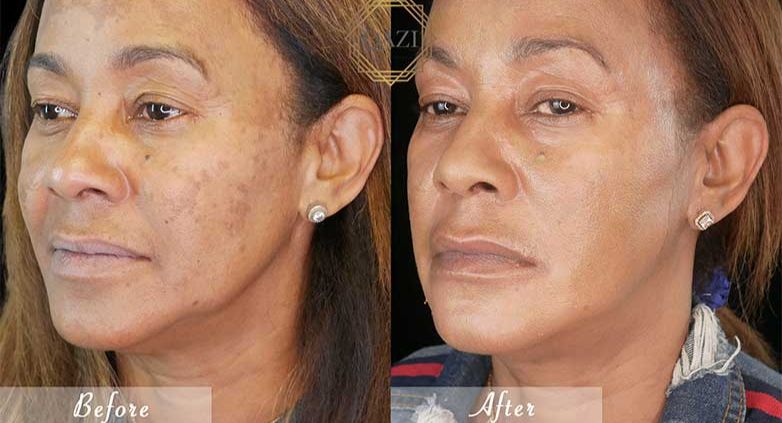
Defining Hyperpigmentation and Hypopigmentation
Hyperpigmentation
Hyperpigmentation refers to the darkening of patches of skin, which results from the overproduction of melanin, the pigment responsible for skin, hair, and eye color. Common causes of hyperpigmentation include sun exposure, inflammation, hormonal changes, and skin injuries.
Hypopigmentation
Hypopigmentation, on the other hand, signifies a loss of skin color or a reduction in melanin production. This condition can make affected areas appear lighter than the surrounding skin. Hypopigmentation can be caused by skin conditions, genetic factors, or even trauma to the skin.
Key Differences Between Hyperpigmentation and Hypopigmentation
- Coloration: The most apparent difference is the color of the affected skin. Hyperpigmentation leads to darkened patches, while hypopigmentation results in lighter areas.
- Melanin Levels: Hyperpigmentation involves an excess of melanin, causing the skin to become darker. In contrast, hypopigmentation is characterized by a decrease in melanin levels, leading to lighter skin.
- Causes: Hyperpigmentation is often triggered by factors like UV exposure, acne, or inflammation. Hypopigmentation can be due to skin conditions like vitiligo, albinism, or post-inflammatory responses to trauma or injury.
- Treatment Approaches: Treatment for hyperpigmentation typically includes topical agents like hydroquinone, chemical peels, or laser therapy to reduce excess melanin. Hypopigmentation may be addressed with treatments aimed at stimulating melanin production, like certain topical medications or narrowband UVB phototherapy.
Treatment Options for Hyperpigmentation
Hyperpigmentation can be a common concern, but it’s treatable. Here are some effective treatment options:
- Topical Agents: Hydroquinone, retinoids, and vitamin C serums are often used to lighten dark spots and even out skin tone.
- Chemical Peels: Chemical peels remove the top layer of skin, encouraging the growth of new, evenly pigmented skin.
- Laser Therapies: Laser treatments, such as PicoSure, can target and break down excess melanin, promoting a more even complexion.
- Sun Protection: Sunscreen is essential to prevent further hyperpigmentation. UV exposure can worsen existing pigmentation issues.
Treatment Options for Hypopigmentation
Dealing with hypopigmentation requires different strategies to stimulate melanin production:
- Topical Medications: Topical corticosteroids or calcineurin inhibitors can help repigment the skin in cases of hypopigmentation.
- Narrowband UVB Phototherapy: Controlled exposure to UVB light can stimulate melanocytes (melanin-producing cells) to restore pigmentation.
- Camouflage Makeup: For those not seeking medical treatments, camouflage makeup can help conceal hypopigmented areas.
Contact Qazi Cosmetic Center
Understanding the distinctions between hyperpigmentation and hypopigmentation is crucial for effectively addressing skin pigmentation concerns. Whether you’re dealing with darkened patches or lighter areas of skin, there are treatment options available to help you achieve a more even complexion.
For personalized advice and tailored treatment plans for hyperpigmentation or hypopigmentation, contact us at Qazi Cosmetic Center, Orange County, at (949)-336-7293. Our experts are dedicated to helping you achieve clear, healthy, and beautiful skin, no matter your pigmentation concerns.

Meet Dr. Nadir Qazi
While growing up in Chicago, I struggled for years with severe acne and scarring. Dealing with constant comments about my skin, especially from friends and family, wasn’t easy. That feeling of isolation and defeat hit me hard. Many around me were in the same position, yet there were very limited solutions available. This led me to determine my mission: to tirelessly build a unique medical practice where compassion meets science, providing proper care for every overlooked skin type and tone. At my Center, my team and I offer only clinically proven treatments that I have personally researched. My goal is to help others achieve their dreams, breaking free from the constraints of their physical appearance, and to be the support I needed the most.



