








Acne scars can linger long after breakouts disappear, leaving behind uneven skin texture and discoloration. These scars are often difficult to treat with over-the-counter products, making professional treatments the best option for long-term results. If you’re in Orange County and searching for effective acne scar treatments, Qazi Cosmetic Center offers advanced solutions tailored to your skin’s needs. From CO2 laser and erbium laser resurfacing to TCA Cross and fillers like Bellafill, we provide treatments that deliver noticeable results with minimal pain and downtime.
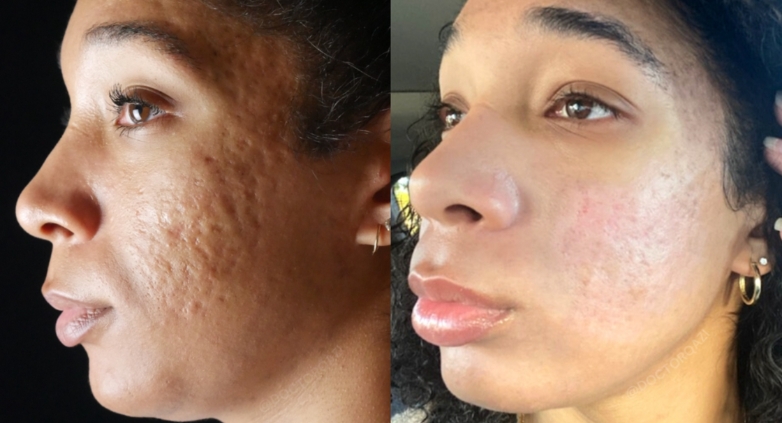
Understanding Acne Scars: Types and Causes
Not all acne scars are the same. The type of scars you have will determine the best treatment approach. Acne scars form when the skin does not heal properly after an acne breakout. Inflammation causes the breakdown of collagen, leading to indentations or raised scars depending on how much collagen is lost or overproduced during healing.
Acne scars are often categorized into different types based on their appearance and how they form. While some scars fade over time, others remain permanently without treatment. Genetics, skin type, and the severity of acne all play a role in determining how your skin heals.
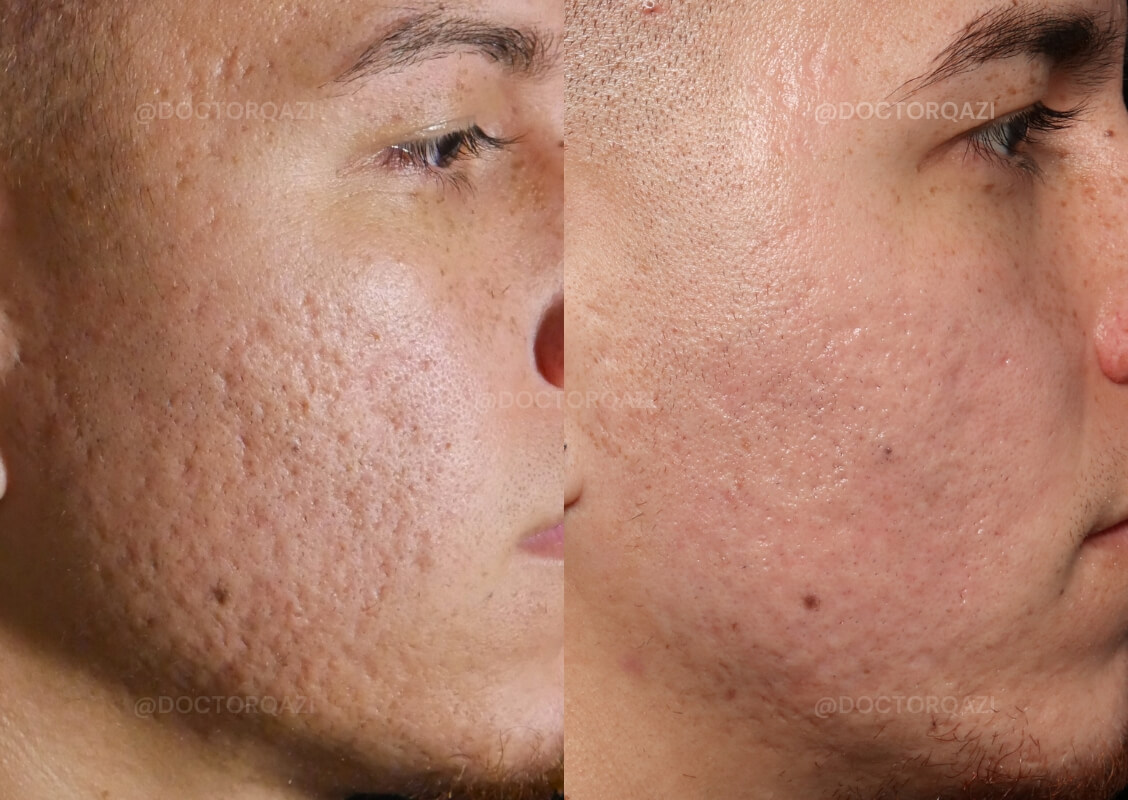
Common Types of Acne Scars
Atrophic Scars (Depressed Scars)
These scars form when the skin does not produce enough collagen during healing, leading to indentations. Atrophic scars are the most common type of acne scars and often appear on the face. They include:
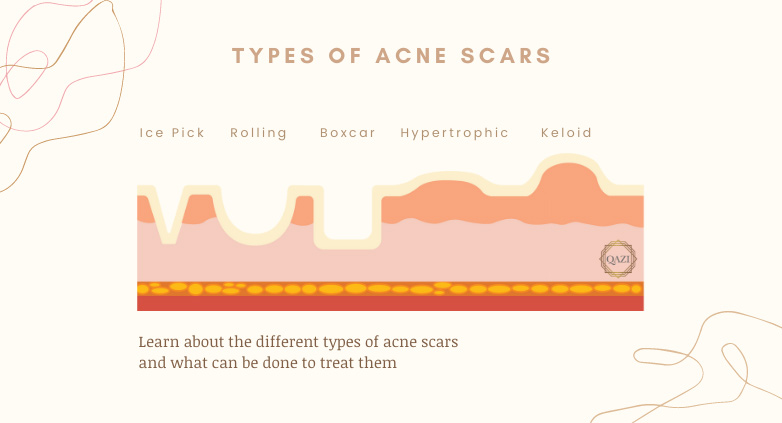
- Ice Pick Scars: Deep, narrow scars that extend into the skin, resembling small puncture wounds. These scars are the hardest to treat due to their depth.
- Boxcar Scars: Wider depressions with well-defined edges, often caused by widespread acne inflammation. They create a pitted appearance on the skin and tend to appear on the cheeks and temples.
- Rolling Scars: Wavy depressions that create an uneven skin surface due to fibrous tissue pulling the skin downward. These scars give the skin a rough texture and are often caused by long-term inflammatory acne.
Hypertrophic Scars (Raised Scars)
These scars occur when the body produces excess collagen, leading to thick, raised skin that may feel firm to the touch. Unlike atrophic scars, hypertrophic scars do not extend below the skin’s surface but remain elevated. They are more common on the chest and back, where acne tends to be more severe. These scars can become itchy or irritated over time, making treatment necessary for comfort as well as appearance.
Post-Inflammatory Hyperpigmentation (PIH)
While not technically a scar, PIH refers to the dark spots that appear after an acne breakout. This occurs when inflammation triggers excess melanin production. PIH is more common in individuals with darker skin tones and can take weeks to months to fade. Although these marks are not permanent scars, they can be stubborn and may require targeted skincare treatments, such as chemical peels or laser therapy, to speed up the fading process.
What Causes Acne Scars?
Acne scars develop due to a combination of factors. Some people are more prone to scarring due to their skin’s natural healing response. Here are some common reasons acne scars form:
- Inflammation: The more severe the inflammation, the higher the chance of scarring. Deep, cystic acne is more likely to cause long-term damage to the skin.
- Delayed Treatment: Leaving acne untreated for long periods can worsen scarring. Early intervention with the right skincare routine and professional treatments can minimize damage.
- Skin Picking or Popping Pimples: Picking at acne lesions increases the likelihood of skin trauma, leading to scar formation. It also spreads bacteria, making breakouts worse.
- Loss of Collagen: Atrophic scars form when the body does not produce enough collagen during the healing process, leaving indentations in the skin.
- Excess Collagen Production: Hypertrophic scars result from the body producing too much collagen during healing, causing raised, thickened areas on the skin.
Understanding the different types of acne scars and their causes can help in choosing the best treatment approach. Whether it’s at-home skincare, professional treatments, or a combination of both, there are solutions available to improve skin texture and restore confidence.
Best Acne Scar Treatments in Orange County
At Qazi Cosmetic Center, we specialize in cutting-edge acne scar treatments that provide real results. Our treatments are customized based on the severity and type of scarring, skin type, and personal preferences. Below are the most effective procedures available.
1. CO2 Laser Resurfacing
CO2 (carbon dioxide) laser resurfacing is a non-surgical procedure that uses laser energy to remove layers of damaged skin. This treatment stimulates collagen production, encouraging new, healthier skin to form. The CO2 laser is highly precise, making it ideal for treating fine lines, acne scars, and skin irregularities.
How Does CO2 Laser Work?
The CO2 laser emits short pulses of light that penetrate the skin’s surface, targeting damaged skin cells while leaving surrounding tissues intact. The heat generated by the laser triggers the body’s natural healing response, boosting collagen production and accelerating skin regeneration.
Benefits of CO2 Laser Treatment
- Reduces fine lines and wrinkles
- Minimizes acne scars and surgical scars
- Improves skin texture and tone
- Shrinks enlarged pores
- Treats sun damage and age spots
- Tightens sagging skin
What to Expect During the Procedure
CO2 laser treatment is performed in-office under local anesthesia or a numbing cream to ensure comfort. The procedure typically takes 30 to 60 minutes, depending on the area being treated. Most patients experience mild redness and swelling, which subside within a week.
Recovery and Aftercare
After the procedure, the skin may appear red and feel sensitive, similar to a sunburn. Peeling usually occurs within a few days, revealing fresh, rejuvenated skin underneath. To maximize results, follow these aftercare tips:
- Avoid direct sun exposure for at least two weeks
- Keep the skin moisturized with gentle, hydrating products
- Use a high-SPF sunscreen daily to protect the skin
- Follow the doctor’s post-care instructions for optimal healing
How Long Until You See Results?
Visible improvements can be seen within a week, but full results typically appear within three to six months as collagen production increases. Many patients report long-lasting benefits, with smoother and firmer skin that can last for years.
2. Erbium Laser Resurfacing
Erbium laser treatment is a non-invasive skin resurfacing procedure that removes damaged outer layers of skin, allowing new, healthy skin to take its place. It’s often used to treat wrinkles, sun damage, acne scars, and uneven skin tone. The best part? It works well for those with lighter and darker skin tones.
How Does It Work?
The erbium laser delivers precise energy to the skin, gently removing damaged cells while stimulating natural collagen production. This process helps tighten the skin, leaving it looking smoother and more youthful over time. Because it’s designed to be less aggressive than CO2 lasers, many patients experience a quicker healing process.
Why Choose Erbium Laser?
- Less Downtime: Most people heal in about a week, making it a great option for those with busy schedules.
- Effective for Wrinkles and Fine Lines: It softens signs of aging without the need for surgery.
- Great for Acne Scars: Helps fade scars and smooth out uneven skin texture.
- Works on Sun Damage: Reduces pigmentation issues and improves overall skin tone.
- Safe for More Skin Types: Compared to other lasers, erbium works well for a wider range of skin tones.
What to Expect During and After the Procedure
Erbium laser treatments are typically performed in-office and take about 30 to 60 minutes. A numbing cream is applied beforehand to keep you comfortable. After the treatment, your skin may look slightly red or feel sensitive—similar to a mild sunburn. Most people see noticeable improvements in about a week, with full results appearing over the next few months as collagen production increases.
Aftercare Tips:
- Keep skin hydrated with a gentle moisturizer.
- Avoid direct sun exposure and always wear SPF.
- Follow any post-care instructions from your provider to maximize results.
How Does Erbium Compare to CO2 Laser?
Both erbium and CO2 lasers resurface the skin, but erbium is the gentler option with a shorter healing time. While CO2 laser treatments work well for deep wrinkles and scars, erbium is perfect for those who want great results with less downtime.
| Treatment Type | Downtime | Best For |
|---|---|---|
| Erbium Laser | 3-7 days | Fine lines, acne scars, mild sun damage |
| CO2 Laser | 7-10 days | Deep wrinkles, severe sun damage, prominent scars |
3. TCA Cross (Trichloroacetic Acid)
TCA Cross (Trichloroacetic Acid Chemical Reconstruction of Skin Scars) is a targeted treatment designed to help with ice pick and boxcar scars. Instead of treating the entire face, this method applies a high concentration of TCA directly into each scar. This process promotes healing and collagen remodeling, gradually filling in the depressions and improving skin texture.
Why People Love TCA Cross
- Works on Deep Scars: Ideal for stubborn acne scars that don’t respond to creams or mild treatments.
- Stimulates Natural Healing: Encourages collagen production to repair damaged skin.
- Minimally Invasive: No surgery or lasers—just a simple application process.
- Affordable and Effective: Offers noticeable improvement at a lower cost compared to other treatments.
What to Expect During and After Treatment
The procedure itself is quick, usually taking about 15-30 minutes. A small amount of TCA is carefully applied to each scar using a fine applicator. You may feel a slight stinging sensation, but it’s generally well tolerated.
Aftercare and Recovery
- Expect some redness and mild scabbing in the treated areas for a few days.
- Avoid picking at the scabs—let them heal naturally.
- Use sunscreen daily to protect your skin and prevent hyperpigmentation.
- Moisturize regularly to keep the skin hydrated during the healing process.
Results start becoming noticeable after a few weeks, with continued improvement over the following months. Most people need multiple sessions to see optimal results.
TCA Cross vs. Other Acne Scar Treatments
| Treatment | Best For | Downtime |
|---|---|---|
| TCA Cross | Deep acne scars | Minimal (a few days) |
| Laser Resurfacing | Wrinkles and deep scars | 5-7 days |
| Fillers | Temporary scar improvement | None |
4. Subcision for Acne Scars
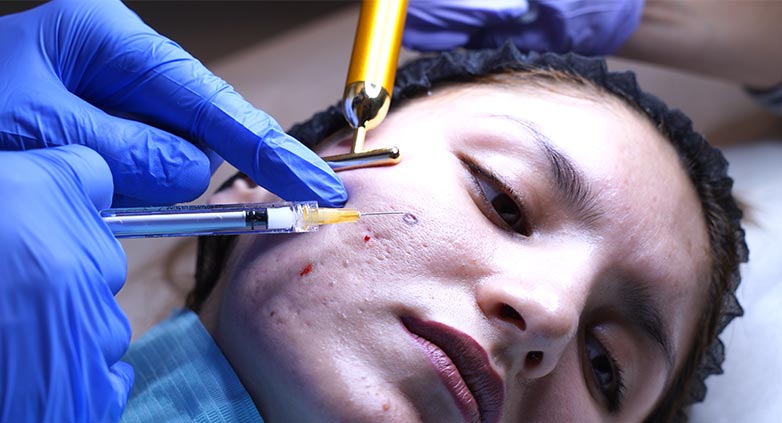
Subcision is a minor in-office procedure that helps improve depressed scars, like rolling or boxcar acne scars. Instead of just treating the surface, it works beneath the skin to release the scar tissue pulling it down. This allows the skin to heal and regenerate more evenly, leading to a smoother appearance over time.
Why People Choose Subcision
- Targets deep scars: Unlike creams or peels, subcision works at the root of the problem.
- Minimal downtime: Most people can go back to their routine within a couple of days.
- Long-lasting results: Once the scar tissue is released, the improvement is permanent.
- Boosts collagen production: Helps the skin naturally repair itself for better texture.
What to Expect During the Procedure
The process is quick and usually takes about 30 minutes. A numbing agent is applied to keep you comfortable. Then, a small needle is used to break up the tough scar tissue under the skin. You might feel a slight pressure, but the procedure is generally well tolerated.
Aftercare and Recovery
- Expect some mild swelling or bruising, which usually fades in a few days.
- Avoid heavy workouts or strenuous activity for about 48 hours.
- Keep the area clean and moisturized to help the healing process.
- Sunscreen is a must—protect your skin to maintain results.
Results start to show within a few weeks, but some scars may need multiple treatments for the best outcome.
Subcision vs. Other Acne Scar Treatments
| Treatment | Best For | Downtime |
|---|---|---|
| Subcision | Deep rolling and boxcar scars | 2-3 days |
| Laser Resurfacing | Fine lines and texture | 5-7 days |
| Chemical Peels | Mild scars and pigmentation | 3-5 days |
| Fillers | Temporary improvement for scars | None |
5. Punch Excision
Punch excision is a minor surgical procedure that removes individual acne scars using a small tool. Instead of just treating the surface, this method cuts out the scar entirely and allows new, smoother skin to take its place. It’s a great option for deep scars that haven’t responded to other treatments.
Why People Choose Punch Excision
- Removes deep, stubborn scars: Great for ice pick and deep boxcar scars.
- Permanent improvement: Once the scar is removed, it won’t come back.
- Minimal downtime: Most people heal within a few days.
- Works well with other treatments: Can be combined with resurfacing treatments for even better results.
What to Expect During the Procedure
The process is quick, usually taking about 30 minutes to an hour. A numbing agent is applied to keep you comfortable, and then a small punch tool is used to remove the scar. The area is then closed with a tiny stitch or left to heal naturally, depending on the scar size.
Aftercare and Recovery
- Expect some mild redness and swelling for a few days.
- Keep the area clean and follow post-care instructions for the best healing.
- Avoid direct sun exposure and always wear sunscreen.
- Stitches (if used) are usually removed within a week.
Full results become visible as the skin heals and blends in with the surrounding area.
6. Phenol Peel for Deep Scars
A phenol peel is one of the strongest chemical peels available, making it a great option for those dealing with severe acne scars. Unlike lighter peels that only work on the surface, a phenol peel penetrates deep into the skin, triggering a more intense renewal process. This allows damaged skin layers to be shed and replaced with healthier, smoother skin. Because of its strength, it’s typically performed by experienced professionals who understand how to maximize its benefits while ensuring safety.
This treatment is particularly effective for people with deep boxcar and rolling scars. It works by deeply exfoliating the skin and stimulating new collagen production, which helps fill in scars and create a more even skin tone over time. While the results can be dramatic, it does require more recovery time compared to milder treatments.
Why Choose a Phenol Peel for Deep Scars?
If you’ve struggled with deep scars for years, a phenol peel might be one of the best ways to make a real difference in your skin. Here’s why many people turn to this treatment:
- Targets Deep Scars – Unlike other peels that only affect the surface, a phenol peel penetrates deeper, helping to improve even the most stubborn scars.
- Long-Lasting Results – Many patients experience noticeable improvements that last for years, making it a worthwhile investment.
- Improves Skin Texture – The treatment not only helps with scars but also smooths out rough patches and enhances overall skin quality.
- Reduces Discoloration – Phenol peels can help fade hyperpigmentation and other dark spots, making your skin tone appear more even.
While the results can be impressive, this treatment is not for everyone. It’s best suited for people with fair to medium skin tones, as darker skin types may experience uneven pigmentation after healing.
What to Expect During the Procedure
A phenol peel is more intensive than a standard chemical peel, so it’s performed under careful supervision. Before the treatment begins, the skin is cleansed thoroughly to remove oils and impurities. A numbing agent may be applied to help minimize discomfort since the peel penetrates deeply.
The phenol solution is then carefully applied to the treatment area, where it starts to break down damaged skin layers. Patients often feel a tingling or slight burning sensation, but this is temporary. Because the peel is strong, the provider may apply it in sections rather than all at once. The entire process can take up to an hour, depending on the area being treated.
Once the peel is complete, the skin is covered with a protective ointment to aid healing. Patients are usually given detailed aftercare instructions to ensure proper recovery.
Recovery and Aftercare
Since a phenol peel works on a deep level, it requires a longer healing period than lighter peels. Most patients experience redness, swelling, and peeling for several days, with full recovery taking anywhere from two to three weeks.
- Avoid Sun Exposure – The skin will be extremely sensitive after the treatment, so wearing sunscreen and avoiding direct sunlight is essential.
- Keep the Skin Hydrated – Using a gentle moisturizer helps support the healing process and prevents excessive dryness.
- Follow Your Provider’s Instructions – Post-treatment care is crucial to achieving the best results, so stick to any skincare routine recommended by your specialist.
- Be Patient – The final results of a phenol peel become visible over several months as collagen production increases and the skin continues to renew itself.
7. Dermal Fillers: Bellafill, Sculptra and Radiesse
Bellafill
Bellafill is a standout filler for anyone looking for long-term results. Unlike many other fillers that dissolve over time, Bellafill is designed to last up to five years. It works by using collagen and polymethyl methacrylate (PMMA) microspheres to provide both immediate and long-lasting improvements in the skin.
This filler is especially effective for treating deep smile lines (nasolabial folds) and improving the appearance of pitted acne scars. The collagen component provides instant volume, while the PMMA microspheres stimulate your body to produce its own collagen over time. The result? A natural and youthful appearance that improves as time goes on.
Bellafill is ideal for people who want a more permanent filler option and don’t want to keep coming back for repeat treatments every few months. However, since it lasts longer, it’s important to work with an experienced provider who can ensure the filler is placed correctly to achieve the most natural-looking results.
Sculptra
If you’re looking for something that gradually enhances your appearance rather than providing instant volume, Sculptra might be the perfect choice. Unlike traditional fillers that simply add volume, Sculptra is a biostimulator that encourages your body to produce more collagen. It’s made from poly-L-lactic acid, a substance that’s been used in medicine for years to help stimulate tissue growth.
Sculptra is commonly used to treat facial volume loss, hollow cheeks, and deep folds around the mouth and chin. The results appear gradually over a few months as your body produces more collagen, leading to a soft, youthful, and refreshed look that doesn’t seem overdone.
Because the effects build over time, Sculptra is best for people who want subtle, long-lasting results and are okay with waiting a few months to see the full benefits. Most patients need a series of treatments for the best outcome, but the results can last over two years, making it a great investment for those looking for a natural rejuvenation.
Radiesse
Radiesse is a unique filler that not only adds volume instantly but also stimulates collagen production for long-term improvement. It’s made with calcium hydroxylapatite (CaHA) microspheres, which work beneath the skin to provide structure and encourage collagen growth.
Radiesse is often used to treat deep wrinkles, volume loss in the hands, and facial contouring. Because it provides both immediate and long-term benefits, it’s a great choice for those who want instant results but also want their skin to improve over time.
One of the biggest advantages of Radiesse is its ability to provide noticeable volume without feeling too heavy or artificial. It’s an excellent option for people who want to smooth out deep lines or restore lost volume in a way that looks and feels natural. While Radiesse doesn’t last as long as Bellafill, it typically lasts around 12-18 months, making it a great option for those who want something long-lasting but not permanent.
What to Expect During the Procedure
The procedure for dermal fillers is relatively simple and is performed in-office. First, your provider will cleanse the treatment area and may apply a numbing agent to minimize discomfort. Using a fine needle or cannula, the filler is then injected into specific areas of the face, depending on your aesthetic goals.
The process usually takes about 30 to 60 minutes, and results can be seen immediately in most cases. However, Sculptra works gradually, so its effects become more visible over time. There might be some minor swelling or bruising after the procedure, but this typically resolves within a few days.
Benefits of Dermal Fillers
- Immediate or Gradual Results – Some fillers provide instant volume, while others work over time to stimulate collagen.
- Non-Surgical Solution – Fillers offer a way to enhance your appearance without invasive procedures.
- Restores Lost Volume – Ideal for people experiencing volume loss due to aging or weight loss.
- Enhances Facial Contours – Used to sculpt cheekbones, plump lips, and smooth out deep folds.
- Long-Lasting Effects – Some fillers, like Bellafill, last for years, while others last up to two years with proper maintenance.
Aftercare and Recovery
Taking care of your skin after filler injections can help you achieve the best results. Some essential aftercare steps include:
- Avoid touching or massaging the treated area for at least 24 hours.
- Keep your head elevated and avoid strenuous exercise for the first 24-48 hours.
- Stay hydrated and apply ice packs if you experience swelling.
- Avoid excessive sun exposure and always wear sunscreen.
- Follow your provider’s instructions carefully to promote healing and long-lasting results.
How Fillers Help with Acne Scars
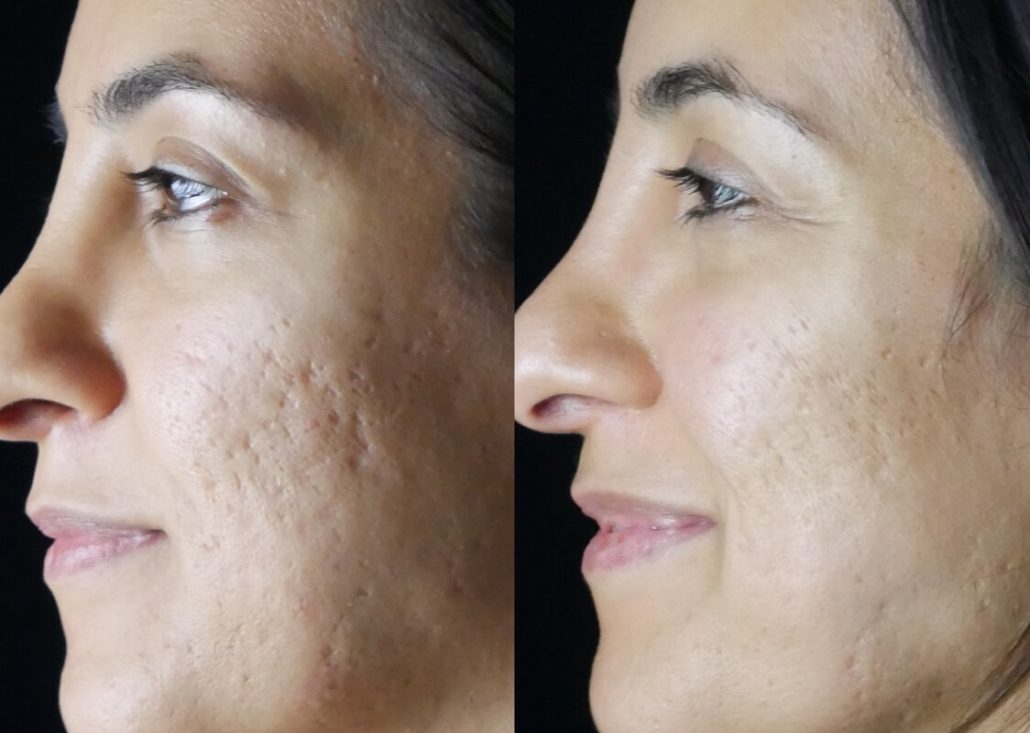
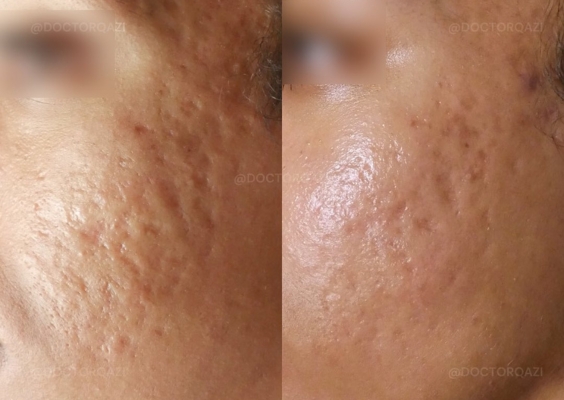
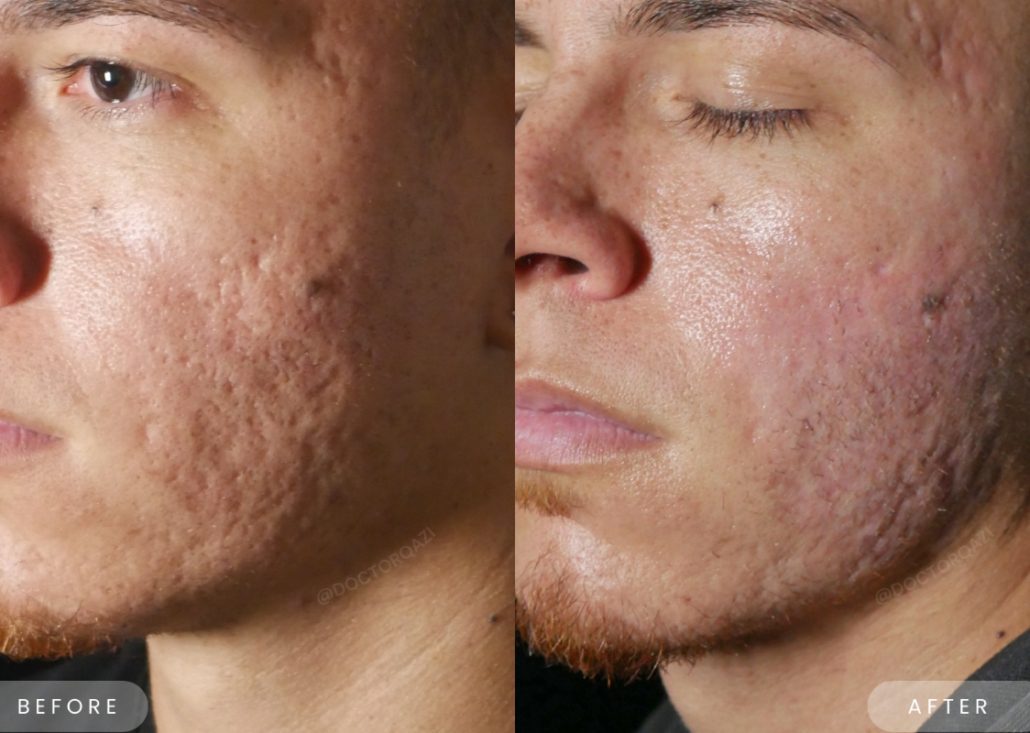
Certain fillers, particularly Bellafill, have been shown to help with deep acne scars. By adding volume underneath pitted scars, fillers help lift the skin and create a smoother surface. Over time, the collagen-stimulating properties of these fillers help the skin heal naturally, providing long-term improvement.
Potential Complications to Consider
While these treatments are highly effective, it’s essential to understand potential risks:
- Temporary redness and swelling
- Mild discomfort (managed with local anesthesia)
- Risk of hyperpigmentation (preventable with proper aftercare)
- Downtime varies depending on the procedure (ranging from 1-2 days for fillers to 1-2 weeks for deep resurfacing treatments)
Aftercare Tips for Optimal Results
- Hydrate your skin with a gentle, non-comedogenic moisturizer.
- Apply sunscreen daily to prevent hyperpigmentation.
- Avoid picking or scrubbing the treated area to prevent irritation.
- Follow a post-treatment skincare routine recommended by Qazi Cosmetic Center.
- Schedule follow-up treatments if necessary for best results.
Removing Acne Scars Naturally
If you prefer a more natural approach, there are several at-home remedies and lifestyle changes that can help reduce the appearance of acne scars over time. While these methods may not be as fast or effective as medical treatments, they can contribute to overall skin health and improvement.
1. Aloe Vera
Aloe vera is well known for its soothing and healing properties. It can help reduce inflammation, promote skin regeneration, and lighten dark spots associated with acne scars.
- Apply fresh aloe vera gel directly to the scars and leave it on for 30 minutes before rinsing.
- Repeat daily for the best results.
2. Vitamin C
Vitamin C is an excellent natural remedy for improving skin tone and reducing hyperpigmentation. It boosts collagen production, which helps repair atrophic scars.
- Use a vitamin C serum daily to help fade acne scars over time.
- Citrus fruits, strawberries, and bell peppers are great dietary sources of vitamin C.
3. Rosehip Oil
Rosehip oil is rich in antioxidants and essential fatty acids that aid in skin healing and cell regeneration.
- Apply a few drops of rosehip oil to affected areas before bedtime.
- Massage gently for improved absorption.
4. Honey and Lemon Mask
Honey has antibacterial properties, while lemon contains natural acids that can lighten dark scars.
- Mix equal parts honey and lemon juice and apply to scars.
- Leave it on for 10-15 minutes before rinsing.
- Use only at night and follow with sunscreen during the day, as lemon increases sun sensitivity.
5. Exfoliation with Baking Soda
Baking soda is a gentle exfoliant that can remove dead skin cells and promote smoother skin.
- Mix baking soda with water to form a paste and gently massage onto scars.
- Rinse off after a few minutes and moisturize.
- Avoid overuse, as excessive exfoliation can irritate the skin.
6. Coconut Oil
Coconut oil contains fatty acids that help hydrate and nourish the skin while promoting healing.
- Massage a small amount of coconut oil onto scars before bed.
- Wash off in the morning if your skin is prone to breakouts.
The Importance of Nutrition and Hydration for Skin Health
Your diet and hydration levels play a crucial role in skin healing and overall health. Proper nutrition can accelerate skin repair, enhance collagen production, and reduce inflammation, while adequate hydration keeps the skin plump and promotes healing.
1. Hydration: The Foundation of Healthy Skin
Water is essential for maintaining skin elasticity and preventing dryness, which can make scars appear more prominent. Staying hydrated helps flush out toxins and keeps the skin supple.
- Drink at least 8-10 glasses of water daily to maintain skin hydration.
- Consume water-rich foods, such as cucumbers, watermelon, and oranges.
- Limit caffeine and alcohol intake, as they can dehydrate the skin.
2. Essential Nutrients for Skin Healing
Eating a balanced diet with key vitamins and minerals supports faster skin regeneration and collagen production.
- Vitamin C: Found in citrus fruits, bell peppers, and strawberries, vitamin C boosts collagen synthesis and reduces pigmentation.
- Vitamin E: An antioxidant that helps repair skin damage and improves skin elasticity. Sources include nuts, seeds, and avocados.
- Omega-3 Fatty Acids: Found in salmon, flaxseeds, and walnuts, omega-3s help reduce inflammation and promote smoother skin.
- Zinc: This mineral supports wound healing and reduces acne-related inflammation. Good sources include pumpkin seeds, lentils, and beef.
- Protein: Essential for tissue repair, protein sources like chicken, tofu, and eggs help rebuild skin structure.
3. Anti-Inflammatory Foods
Inflammation can worsen acne scars and delay healing. Including anti-inflammatory foods in your diet can help your skin recover more efficiently.
- Green tea: Packed with antioxidants that fight inflammation and free radical damage.
- Turmeric: Contains curcumin, which has powerful anti-inflammatory properties.
- Leafy greens: Spinach, kale, and Swiss chard are rich in vitamins and minerals that support skin health.
A diet that supports skin healing, combined with proper hydration, enhances the effectiveness of professional acne scar treatments. Making small dietary changes can lead to significant improvements in skin texture and overall complexion.
Virtual Consultations
Dr. Qazi understands that not all patients can visit the clinic in person, which is why we offer virtual consultations. Whether you live out of state or prefer the convenience of remote consultation, you can discuss your acne scar concerns with Dr. Qazi from the comfort of your home. Our virtual consultations allow us to assess your skin, recommend the best treatment plan, and guide you through the next steps—all without requiring a trip to the office.
How to Book a Virtual Consultation:
- Visit doctorqazi.com to schedule your consultation online.
- No need to call the office—appointments can be booked instantly through our website.
- Receive expert advice and treatment recommendations from anywhere in the U.S.
For patients considering traveling for treatment, this is a great way to plan ahead and determine the best approach before making the trip.
Easy Access for Same-Day Travel
Many of our patients travel to Orange County and return home on the same day after receiving treatment at Qazi Cosmetic Center. Our location is just five minutes from John Wayne Airport, making it incredibly convenient for those flying in for their procedures.
Why This Matters:
- No need for overnight stays—patients can return home the same day.
- Quick and efficient treatments ensure minimal disruption to your schedule.
- John Wayne Airport staff are familiar with assisting our patients, making travel easy and stress-free.
Whether you’re visiting from another city or state, we strive to make your experience smooth and efficient. Our team is here to assist with any travel-related concerns to ensure a seamless visit.
Contact Qazi Cosmetic Center
Achieving smooth, scar-free skin is possible with the right combination of treatments, lifestyle changes, and professional guidance. At Qazi Cosmetic Center, we offer cutting-edge solutions tailored to your unique skin needs. Whether you opt for laser therapy, subcision, or natural remedies, our team is dedicated to helping you achieve lasting results. Call us at (949)-336-7293 to schedule your consultation and more information.

Meet Dr. Nadir Qazi
While growing up in Chicago, I struggled for years with severe acne and scarring. Dealing with constant comments about my skin, especially from friends and family, wasn’t easy. That feeling of isolation and defeat hit me hard. Many around me were in the same position, yet there were very limited solutions available. This led me to determine my mission: to tirelessly build a unique medical practice where compassion meets science, providing proper care for every overlooked skin type and tone. At my Center, my team and I offer only clinically proven treatments that I have personally researched. My goal is to help others achieve their dreams, breaking free from the constraints of their physical appearance, and to be the support I needed the most.



