








Collagen is a crucial protein that keeps our skin looking firm, youthful, and radiant. But did you know that collagen development changes as we age? Understanding this timeline can help you take proactive steps to maintain healthy skin throughout your life. At Qazi Cosmetic Center in Orange County, we’re here to guide you through this process. For more information, contact us at 949-336-7293 or click here to schedule a consultation.
What is Collagen?
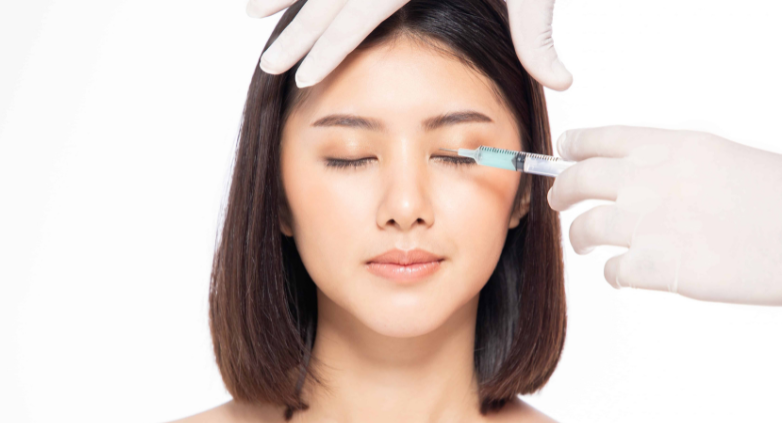
Collagen is the most abundant protein in our bodies, providing structure to our skin, bones, tendons, and ligaments. It’s essentially the building block that holds everything together, giving skin its firmness and elasticity. As we age, collagen production slows down, leading to wrinkles, sagging skin, and other signs of aging.
The Collagen Development Timeline
Childhood and Teenage Years
In our younger years, collagen production is at its peak. This is why children and teenagers typically have smooth, plump, and resilient skin. During this time, the body is constantly producing new collagen to support rapid growth and development.
The 20s: Peak Production
In your 20s, collagen production remains high, but it starts to decline slightly. The skin still looks youthful, but this is a critical time to start protecting your collagen reserves. UV exposure, smoking, and poor diet can begin to impact collagen levels, leading to premature aging.
The 30s: Decline Begins
By the time you hit your 30s, collagen production has begun to slow significantly. You might start noticing the first signs of aging, such as fine lines and a loss of skin elasticity. This is the perfect time to invest in skincare products that boost collagen production and protect existing collagen.
The 40s: Visible Aging
In your 40s, the effects of collagen loss become more apparent. Skin may start to sag, and wrinkles deepen. The body’s ability to produce new collagen decreases, and existing collagen fibers break down faster. At this stage, treatments like collagen-boosting facials, laser therapy, and microneedling can help stimulate collagen production.
The 50s and Beyond: Maintaining What’s Left
Post-50, collagen production slows dramatically. Skin becomes thinner and more fragile, and wrinkles are more pronounced. It’s essential to adopt a comprehensive skincare routine that includes collagen-boosting products and treatments to maintain skin health.
How Age Affects Collagen Development
Aging is the most significant factor affecting collagen development, but other elements also play a role:
- Hormonal Changes: Menopause and other hormonal changes can accelerate collagen loss.
- Sun Exposure: UV radiation breaks down collagen fibers and impedes new collagen synthesis.
- Lifestyle Factors: Smoking, poor diet, and lack of exercise can all negatively impact collagen production.
- Genetics: Your genetic makeup determines how quickly your collagen levels deplete.
Reliable Medical Sources on Collagen and Aging
- Journal of Clinical and Aesthetic Dermatology: Studies published in this journal demonstrate the effectiveness of treatments like retinoids and peptides in boosting collagen production.
- American Academy of Dermatology (AAD): According to the AAD, collagen production decreases by about 1% per year starting in our 20s.
- National Institutes of Health (NIH): Research from the NIH highlights the impact of UV exposure on collagen breakdown and skin aging.
Maintaining Collagen Levels: Tips and Tricks
To keep your skin looking youthful and radiant, consider the following strategies:
- Use Sunscreen: Protect your skin from harmful UV rays.
- Healthy Diet: Consume foods rich in antioxidants, vitamin C, and amino acids.
- Stay Hydrated: Drinking plenty of water supports overall skin health.
- Quit Smoking: Smoking accelerates collagen breakdown and aging.
- Skincare Products: Use products containing retinoids, peptides, and hyaluronic acid to boost collagen.
- Professional Treatments: Consider treatments like microneedling, laser therapy, and collagen-boosting facials.
Contact Us:
Understanding the collagen timeline is key to youthful, healthy skin. From your 20s to your 50s, knowing how collagen changes helps you make smart skincare choices. Age, hormones, sun exposure, and lifestyle impact collagen, but using sunscreen, a healthy diet, and quality products can help. Qazi Cosmetic Center in Orange County offers treatments to enhance your skin’s health. click here to self-schedule a consultation.

Meet Dr. Nadir Qazi
While growing up in Chicago, I struggled for years with severe acne and scarring. Dealing with constant comments about my skin, especially from friends and family, wasn’t easy. That feeling of isolation and defeat hit me hard. Many around me were in the same position, yet there were very limited solutions available. This led me to determine my mission: to tirelessly build a unique medical practice where compassion meets science, providing proper care for every overlooked skin type and tone. At my Center, my team and I offer only clinically proven treatments that I have personally researched. My goal is to help others achieve their dreams, breaking free from the constraints of their physical appearance, and to be the support I needed the most.



