








Cosmetic fillers are widely used for enhancing features, restoring volume, and smoothing wrinkles. However, like any medical treatment, there is always the possibility of a reaction. While allergies to fillers are uncommon, they can occur in certain individuals, especially those with sensitivities or pre-existing conditions.
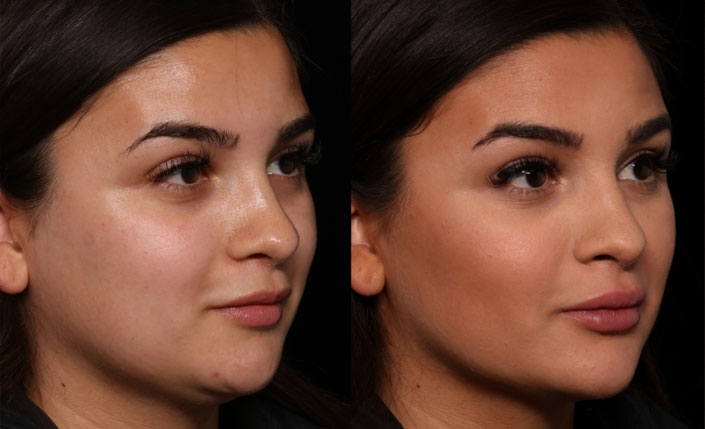
Signs of Allergies or Intolerances to Fillers
Reactions to fillers can vary, ranging from mild to severe. Here’s what to look out for after a filler treatment:
- Immediate Reactions:
- Redness and swelling (normal but should subside within a few days).
- Tenderness or slight bruising at the injection site.
- Mild itchiness.
- Delayed Reactions:
- Lumps or nodules under the skin.
- Persistent swelling or redness.
- Skin discoloration or irritation.
- Rare Severe Reactions:
- Difficulty breathing (sign of anaphylaxis, a medical emergency).
- Widespread rash or hives.
- Intense pain or warmth at the injection site (indicating possible infection).
If you notice any of these symptoms, it’s important to contact your provider immediately. At Qazi Cosmetic Center, our team is highly experienced in managing and treating potential reactions.
Causes of Filler Allergies or Intolerances
Fillers are typically made of substances that are safe and compatible with the body. However, reactions can happen for a few reasons:
- Ingredient Sensitivity: Some individuals may react to ingredients like hyaluronic acid or collagen, though these are naturally occurring in the body.
- Lidocaine Sensitivity: Many fillers include lidocaine to reduce discomfort during the procedure. Those with lidocaine allergies may experience a reaction.
- Pre-existing Allergies: Patients with severe allergies or autoimmune conditions may have a heightened risk of intolerance.
- Improper Technique or Product Quality: Using substandard products or improper injection methods increases the risk of adverse reactions. Always choose a trusted provider like Qazi Cosmetic Center for safe and effective treatment.
How to Minimize the Risk of Reactions
Choosing the right provider and taking preventive steps can greatly reduce the likelihood of developing allergies or intolerances to fillers. Here are a few tips:
- Consultation is Key:
Always disclose your full medical history, including allergies or sensitivities, during your consultation. - Patch Testing:
If you have a history of allergies, ask about a patch test to check for reactions to the filler ingredients. - Follow Post-Treatment Instructions:
Proper aftercare reduces the risk of complications. This includes avoiding excessive heat, sun exposure, and strenuous activity for 24–48 hours after your treatment. - Choose a Skilled Provider:
Expert injectors like those at Qazi Cosmetic Center ensure the highest level of care, reducing the likelihood of complications.
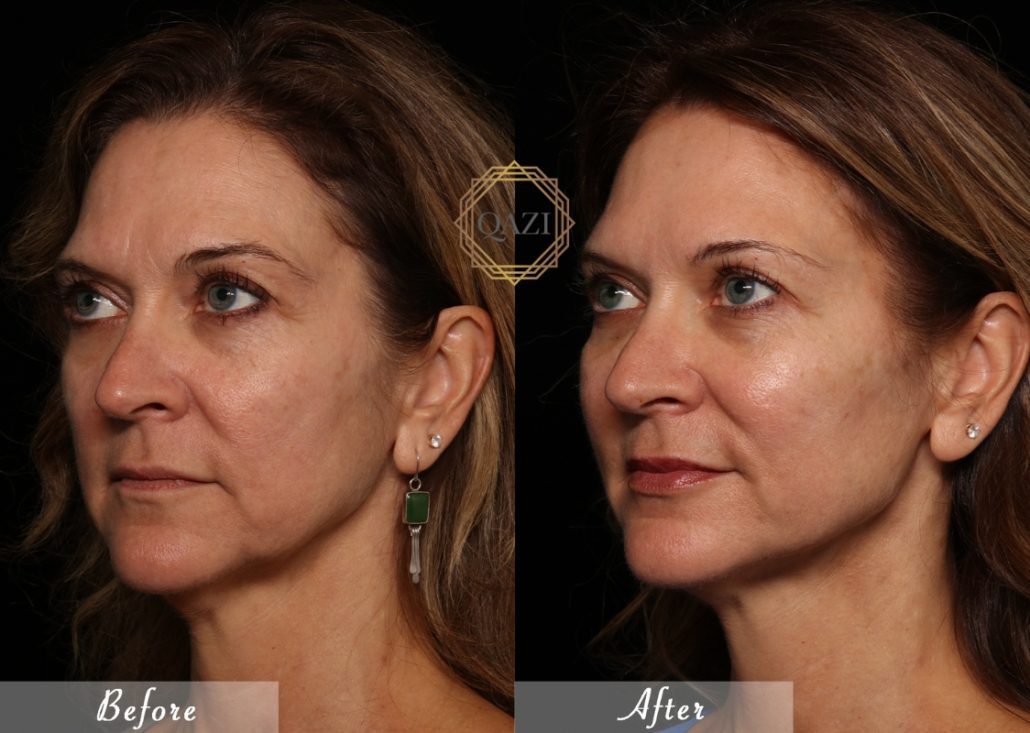
Frequently Asked Questions About Fillers and Allergies
1. How common are allergies to fillers?
Allergies are rare, especially with high-quality products like those used at Qazi Cosmetic Center.
2. What should I do if I think I’m having a reaction?
Contact your provider immediately if you notice persistent swelling, redness, or other unusual symptoms.
3. Are there alternatives to fillers if I’m prone to allergies?
Yes, alternatives like laser treatments or thread lifts may be suitable. Consult with our experts to explore your options.
Contact Qazi Cosmetic Center
Fillers are a fantastic way to enhance your natural beauty, but it’s essential to work with a trusted provider to minimize the risk of allergies or intolerances. At Qazi Cosmetic Center in Orange County, we’re committed to ensuring every patient’s experience is safe, comfortable, and satisfying. Call us at (949)-336-7293 to book a consultation and more information.

Meet Dr. Nadir Qazi
While growing up in Chicago, I struggled for years with severe acne and scarring. Dealing with constant comments about my skin, especially from friends and family, wasn’t easy. That feeling of isolation and defeat hit me hard. Many around me were in the same position, yet there were very limited solutions available. This led me to determine my mission: to tirelessly build a unique medical practice where compassion meets science, providing proper care for every overlooked skin type and tone. At my Center, my team and I offer only clinically proven treatments that I have personally researched. My goal is to help others achieve their dreams, breaking free from the constraints of their physical appearance, and to be the support I needed the most.



