








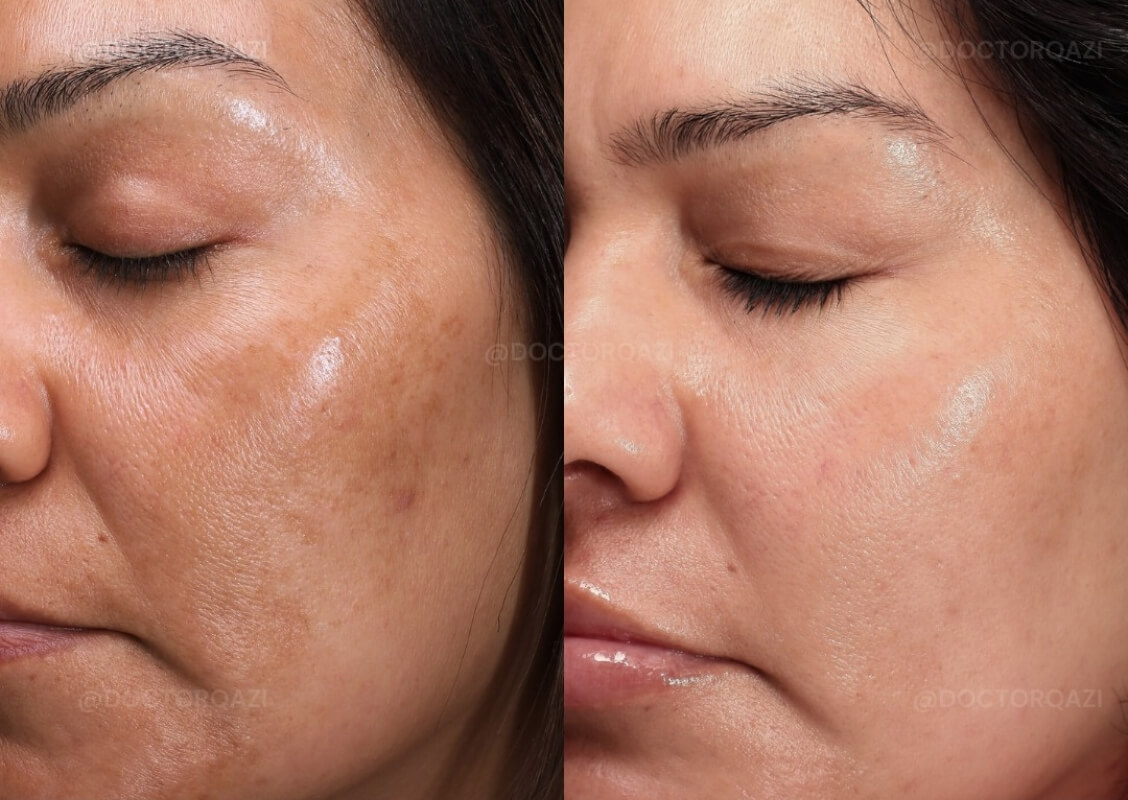
Melasma is a common skin condition that can fluctuate in appearance over time, especially with seasonal changes. Many people notice their melasma becoming darker in the summer and lighter during the cooler months, but why does this happen? Let’s dive into how external factors like the sun and weather influence melasma and how you can maintain more even skin tone year-round.
Seasonal Changes and Melasma
Melasma is highly responsive to environmental factors, particularly sunlight and UV exposure. Seasonal changes can dramatically impact how noticeable or pronounced your melasma looks.
- Summer: Increased sunlight during the summer months can stimulate melanin production, making melasma patches darker and more prominent. UV rays penetrate deeply into the skin, triggering pigmentation changes.
- Winter: Cooler months with less sun exposure often cause melasma to fade or become lighter. However, indoor heating and dry air can still affect your skin’s overall health, so careful hydration is crucial.
Factors That Influence Melasma’s Color
Several external and internal factors can contribute to changes in melasma’s appearance:
- UV Exposure: Sunlight is the biggest trigger for melasma. Even brief exposure without protection can lead to a noticeable darkening.
- Heat: High temperatures, whether from the sun or activities like cooking, can worsen melasma.
- Hormonal Changes: Fluctuations in hormones, especially during pregnancy or while using certain medications, can also influence melasma’s visibility.
- Skincare Routine: Using the right products consistently can prevent seasonal worsening of melasma.
How to Manage Melasma Year-Round
Consistency is key when it comes to managing melasma. Here are some tips to keep your skin healthy and melasma under control:
Daily Practices:
- Wear Sunscreen Daily: Opt for a broad-spectrum SPF 50+ sunscreen to block UVA and UVB rays.
- Layer Up for Sun Protection: Use wide-brim hats, sunglasses, and clothing with built-in UV protection when outdoors.
- Hydrate: Both internally and externally—drink plenty of water and use hydrating skincare products.
Seasonal Adjustments:
- Summer Care:
- Avoid peak sun hours (10 a.m.–4 p.m.).
- Use a tinted sunscreen to double as a light foundation.
- Reapply sunscreen every two hours, especially if you’re swimming or sweating.
- Winter Care:
- Incorporate moisturizers to counteract dry skin caused by indoor heating.
- Maintain sunscreen use since UV rays are still present, even on cloudy days.
Contact Qazi Cosmetic Center
Melasma can change color over time, often becoming darker during the summer and lighter in the winter. These seasonal changes are influenced by factors like UV exposure, heat, and skincare habits. By adopting a proactive approach and consulting with experts at Qazi Cosmetic Center in Orange County, you can maintain healthy, radiant skin throughout the year. Call us at (949)-336-7293 for more information.

Meet Dr. Nadir Qazi
While growing up in Chicago, I struggled for years with severe acne and scarring. Dealing with constant comments about my skin, especially from friends and family, wasn’t easy. That feeling of isolation and defeat hit me hard. Many around me were in the same position, yet there were very limited solutions available. This led me to determine my mission: to tirelessly build a unique medical practice where compassion meets science, providing proper care for every overlooked skin type and tone. At my Center, my team and I offer only clinically proven treatments that I have personally researched. My goal is to help others achieve their dreams, breaking free from the constraints of their physical appearance, and to be the support I needed the most.



