








Hyperpigmentation, the appearance of darkened patches on the skin, can often be attributed to external factors like sun exposure or skin injuries. However, it may sometimes be a sign of underlying medical conditions, including hormonal imbalances or autoimmune diseases. Understanding the root cause is crucial for proper treatment.
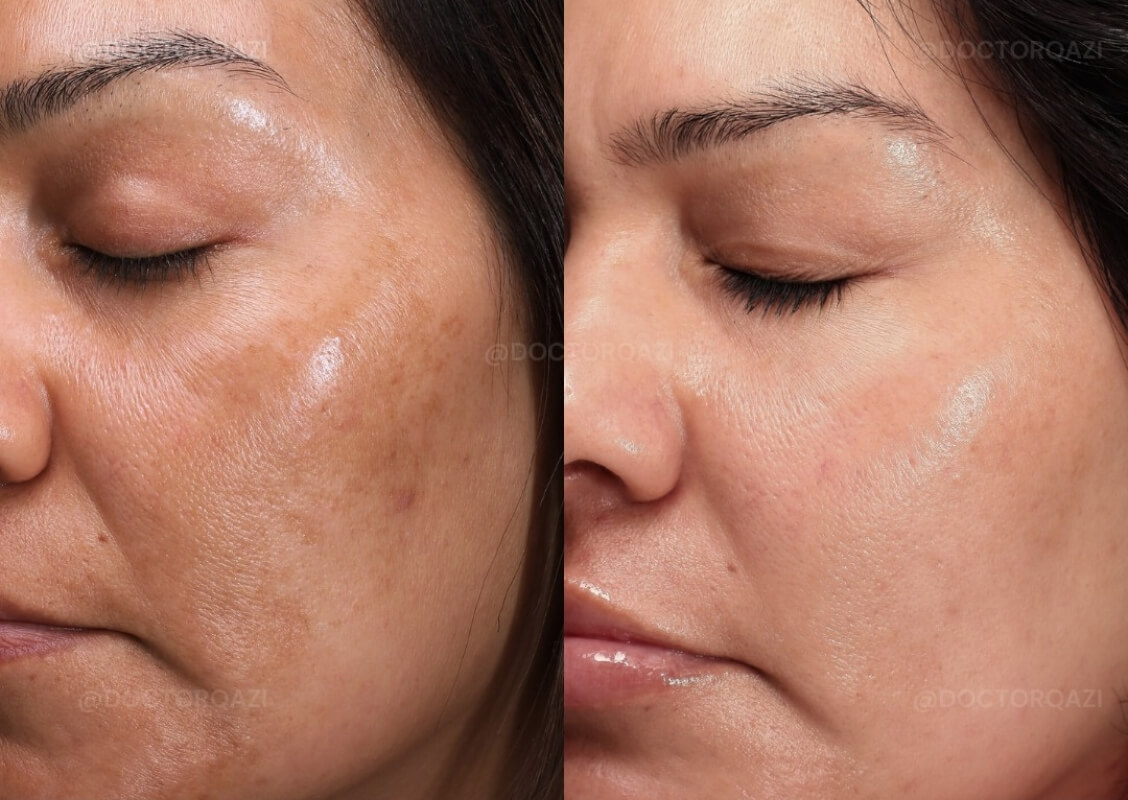
Hyperpigmentation and Underlying Health Connections
Do you notice dark patches on your skin that don’t fade with regular skincare? While hyperpigmentation can often be linked to sun exposure or aging, it can sometimes indicate more serious medical concerns. Conditions such as hormonal imbalances or autoimmune disorders might be contributing to your skin’s discoloration.
Common Medical Conditions Linked to Hyperpigmentation
Several underlying medical issues can lead to hyperpigmentation. If your discoloration doesn’t improve with topical treatments, it may be worth investigating these possibilities:
1. Hormonal Imbalances
- Melasma: Often called “the mask of pregnancy,” melasma is triggered by hormonal fluctuations, particularly during pregnancy or while using hormonal contraceptives.
- Thyroid Disorders: An underactive or overactive thyroid can contribute to changes in skin pigmentation.
2. Autoimmune Diseases
- Addison’s Disease: This rare condition affects the adrenal glands and can cause dark patches on the skin, especially in areas exposed to friction.
- Lupus: Autoimmune diseases like lupus may cause pigmentation changes due to inflammation or medication side effects.
3. Other Potential Triggers
- Diabetes: Conditions such as acanthosis nigricans, often linked to insulin resistance, can cause dark, velvety patches in skin folds.
- Vitamin Deficiencies: A lack of vitamins, particularly B12, may lead to hyperpigmented patches.
How to Recognize When Hyperpigmentation May Be a Sign of a Medical Issue
If you’re experiencing hyperpigmentation, watch for these signs that may point to an underlying condition:
- Patches are symmetrical and appear suddenly without apparent triggers like sun exposure.
- The pigmentation is accompanied by other symptoms such as fatigue, weight changes, or hormonal irregularities.
- Discoloration appears in unusual areas like the palms, soles, or inside the mouth.
- The pigmentation darkens or spreads despite treatment.
Tips to Prevent Hyperpigmentation from Worsening
Proper skincare and lifestyle changes can prevent hyperpigmentation from becoming more pronounced:
- Always Wear Sunscreen: Broad-spectrum SPF protects against UV damage.
- Maintain Balanced Hormones: Work with a healthcare provider to regulate hormonal imbalances.
- Monitor Skin Changes: Pay attention to new or worsening discoloration and consult a specialist when necessary.
- Hydrate and Nourish: A healthy diet and hydration improve overall skin health.
Contact Qazi Cosmetic Center Today
Hyperpigmentation can be more than a cosmetic concern; it may reveal underlying health conditions such as hormonal imbalances or autoimmune diseases. At Qazi Cosmetic Center in Orange County, our skilled team offers personalized care to address hyperpigmentation while considering your overall health. Call us today at (949)-336-7293 to schedule your consultation.

Meet Dr. Nadir Qazi
While growing up in Chicago, I struggled for years with severe acne and scarring. Dealing with constant comments about my skin, especially from friends and family, wasn’t easy. That feeling of isolation and defeat hit me hard. Many around me were in the same position, yet there were very limited solutions available. This led me to determine my mission: to tirelessly build a unique medical practice where compassion meets science, providing proper care for every overlooked skin type and tone. At my Center, my team and I offer only clinically proven treatments that I have personally researched. My goal is to help others achieve their dreams, breaking free from the constraints of their physical appearance, and to be the support I needed the most.



