








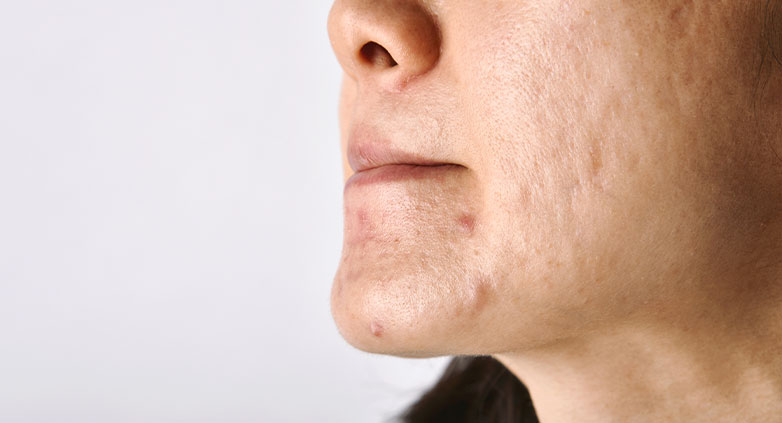
Acne scars can do more than impact your skin’s appearance, they can leave your skin vulnerable to irritation and, in some cases, infections. Here’s what you need to know about acne scars and their potential to make your skin more prone to infections.
Why Do Acne Scars Leave Skin Vulnerable?
Acne scars are the result of deep skin damage, which can compromise the skin’s natural barrier. This weakened barrier may:
- Trap bacteria in pores: Damaged skin can have difficulty clearing out bacteria, which increases the risk of infections.
- Reduce moisture retention: Without enough hydration, your skin becomes dry and more susceptible to cracks and inflammation.
- Delay healing: Scars often heal slower, giving bacteria more time to settle.
Each of these factors creates the perfect storm for skin sensitivity and potential infections.
Key Factors That Increase Risk of Infections
- Picking at Acne Scars: Constant touching or picking can introduce bacteria from your hands to your face, aggravating the area.
- Sun Exposure: The Orange County sun can intensify redness and slow healing, making skin more susceptible to damage.
- Skincare Routine Missteps: Using harsh exfoliants or skipping sunscreen can weaken your skin’s defense.
- Clogged Pores: Dead skin buildup around acne scars can clog pores, potentially leading to inflamed breakouts.
Signs Your Skin May Be Infected
While it’s normal for acne scars to feel sensitive at times, infection typically presents with:
- Increased redness and swelling
- Warmth around the scar
- Pus or fluid drainage
- Persistent pain or irritation
If you notice these signs, it’s crucial to seek professional care to prevent further complications.
Tips to Prevent Infections on Scarred Skin
To keep your skin in its best shape, follow these dermatologist-recommended steps:
- Avoid touching your face: Hands carry bacteria that can worsen irritation.
- Use gentle, hydrating cleansers: Opt for a sulfate-free formula that won’t strip your skin.
- Apply SPF daily: Protect your skin from UV rays that slow down scar healing.
- Incorporate antioxidants: Skincare products with ingredients like vitamin C can help strengthen your skin’s barrier.
- Stay hydrated: Drink plenty of water to support your skin’s natural healing process.
What Happens If You Ignore Infected Scars?
Ignoring an infection can lead to more significant problems, including:
- Increased scarring: The infection may deepen the scar and create a more permanent mark.
- Post-inflammatory hyperpigmentation: Infected areas often darken and take longer to heal.
- Abscess formation: In severe cases, untreated infections can lead to painful abscesses.
Contact Qazi Cosmetic Center Today
While acne scars themselves don’t automatically cause infections, they can weaken your skin’s barrier, making it more susceptible. With the right skincare practices and professional treatments, you can maintain a healthy, resilient complexion. Call Qazi Cosmetic Center at (949)-336-7293 to schedule a consultation

Meet Dr. Nadir Qazi
While growing up in Chicago, I struggled for years with severe acne and scarring. Dealing with constant comments about my skin, especially from friends and family, wasn’t easy. That feeling of isolation and defeat hit me hard. Many around me were in the same position, yet there were very limited solutions available. This led me to determine my mission: to tirelessly build a unique medical practice where compassion meets science, providing proper care for every overlooked skin type and tone. At my Center, my team and I offer only clinically proven treatments that I have personally researched. My goal is to help others achieve their dreams, breaking free from the constraints of their physical appearance, and to be the support I needed the most.



