








In the world of cosmetic and medical advancements, few treatments have captured the spotlight quite like Botox. This remarkable substance, derived from the bacterium Clostridium botulinum, has revolutionized both the beauty industry and the field of medicine. While often associated with wrinkle reduction and facial enhancements, Botox’s applications extend far beyond aesthetics, encompassing a wide array of medical uses that continue to astonish and benefit countless individuals. At Qazi Cosmetic Center located in Orange County we cal help you achieve your aesthetic goals. Contact us today to schedule a consultation or you can also call or text us at (949)-336-7293.

Erasing Wrinkles and Enhancing Beauty
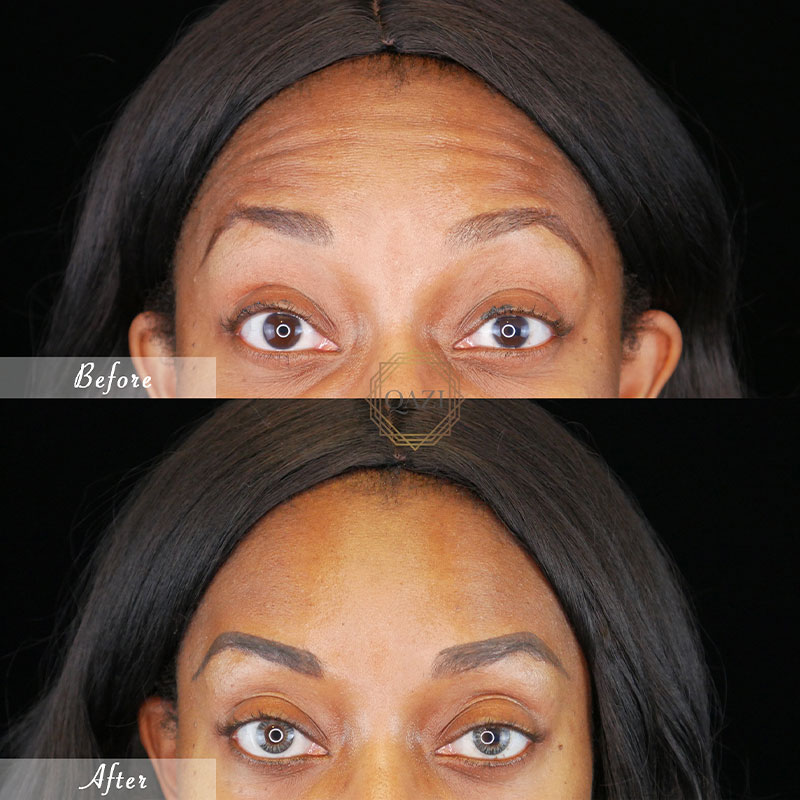
Botox, short for botulinum toxin, is widely recognized for its cosmetic applications, particularly its role in diminishing facial wrinkles and lines. Its mechanism of action is based on its ability to temporarily paralyze muscles by blocking nerve signals that lead to muscle contraction. When injected into specific muscles responsible for causing wrinkles, Botox relaxes these muscles, resulting in a smoother and more youthful appearance.
The popularity of Botox in the aesthetic world can be attributed to its non-invasive nature and impressive results. Crow’s feet, forehead lines, and frown lines are some of the most commonly treated areas, with the effects typically lasting for a few months before requiring another treatment. While Botox is widely celebrated for its ability to enhance beauty, its journey doesn’t stop there.
From Beauty to Healing: Botox’s Medical Marvels
Beyond its cosmetic applications, Botox has demonstrated remarkable effectiveness in various medical fields, often surprising researchers and healthcare professionals alike. The toxin’s muscle-paralyzing abilities have been harnessed to address a multitude of health concerns, ranging from chronic migraines to movement disorders.
- Chronic Migraine Relief: Botox was approved by the U.S. Food and Drug Administration (FDA) in 2010 for the treatment of chronic migraines. For those who experience migraines more than 15 days per month, Botox injections have been shown to reduce the frequency and severity of these debilitating headaches. The injections work by targeting specific muscles in the head and neck, reducing tension and relieving pain.
- Muscle Spasms and Dystonia: Botox has proved immensely valuable in treating muscle spasms and dystonia, a neurological disorder characterized by involuntary muscle contractions. Conditions such as cervical dystonia (abnormal neck muscle contractions) and blepharospasm (involuntary eyelid closure) can be significantly improved through carefully administered Botox injections, offering patients a much-needed reprieve from their symptoms.
- Overactive Bladder: In cases of overactive bladder, where individuals experience a frequent and sudden urge to urinate, Botox injections have shown success in calming the muscles of the bladder. By doing so, it helps reduce urinary incontinence and improves overall quality of life for those suffering from this condition.
- Movement Disorders: Botox’s muscle-relaxing properties have been applied in the treatment of movement disorders such as cerebral palsy and Parkinson’s disease. While not a cure, Botox injections can alleviate muscle stiffness, improve mobility, and enhance the quality of life for patients.
- Hyperhidrosis: Botox is also used to manage excessive sweating, a condition known as hyperhidrosis. By targeting sweat glands, Botox injections can effectively reduce sweat production, providing relief for individuals who struggle with socially and emotionally distressing perspiration issues.
A Future of Promise: Ongoing Research and Discoveries
The journey of Botox continues as researchers explore new avenues for its application. Investigations are underway to determine its potential in treating depression, chronic pain conditions, and even digestive disorders. As scientists unravel the complexities of the human body and its responses to Botox, the possibilities seem endless.
However, it is crucial to approach Botox treatments with a comprehensive understanding of the risks and benefits. Improper administration can lead to adverse effects, such as drooping eyelids or an unnatural appearance, highlighting the importance of seeking qualified medical professionals for any Botox procedure.
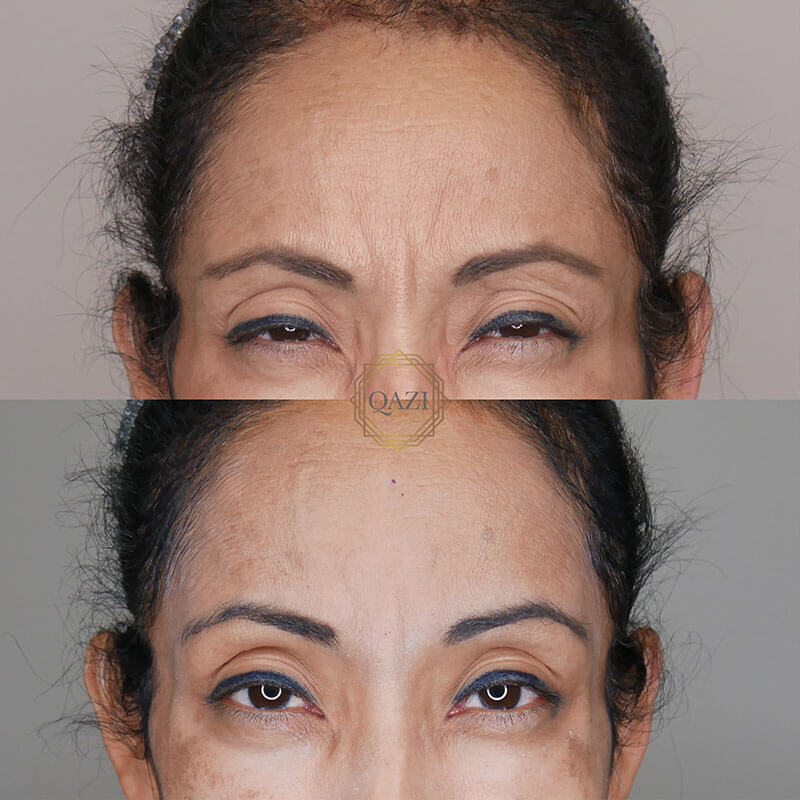
Dysport vs. Botox
In the quest for maintaining a youthful appearance and combating the effects of aging, modern cosmetic treatments offer a myriad of options. Two prominent contenders in the realm of wrinkle reduction are Dysport and Botox. These injectable treatments, both derived from botulinum toxin, have gained popularity for their ability to smooth out facial lines and wrinkles. But how do they compare, and which one is the right choice for you? Let’s delve into the world of Dysport vs. Botox to better understand their differences, similarities, and the factors to consider when making your decision.
Dysport: Dysport is an FDA-approved injectable treatment primarily used for the temporary reduction of moderate to severe frown lines between the eyebrows (glabellar lines). Like Botox, Dysport is derived from botulinum toxin type A, and it works by inhibiting muscle contractions that lead to the formation of wrinkles. It’s known for its quick onset of action, with results often becoming noticeable within a few days of treatment.
Botox: Botox, short for botulinum toxin type A, is the pioneer of injectable wrinkle treatments and is widely recognized for its cosmetic applications. It’s used to reduce the appearance of various facial wrinkles, including crow’s feet, forehead lines, and frown lines. Botox’s mechanism of action involves temporarily paralyzing specific muscles, resulting in smoother skin and a more youthful appearance.
While both Dysport and Botox are derived from the same family of toxins and share similar mechanisms of action, there are some distinctions that can influence your choice between the two:
- Diffusion and Spreading: Dysport is said to have a broader spread compared to Botox. This means that Dysport may be suitable for treating larger areas with fewer injections, making it a popular choice for individuals seeking a more extensive treatment area.
- Onset and Duration: Dysport often has a quicker onset of action compared to Botox. Results from Dysport injections may become apparent within 2-3 days, while Botox may take a few more days to show full effects. Both treatments generally last around 3-4 months before a touch-up is needed.
- Dosage: The units used for Dysport and Botox injections aren’t directly interchangeable due to their different diffusion patterns. A higher dosage of Dysport might be required to achieve similar results as Botox, depending on the treatment area and individual factors.
- Personal Preference: Some individuals may find that they prefer the effects of one over the other due to factors like how the toxin spreads or how long it takes for results to appear. Personal preference can play a significant role in choosing between the two treatments.
When deciding between Dysport and Botox, several factors come into play:
- Treatment Area: Consider the specific areas you wish to target. If you’re focusing on a smaller, more localized area, Botox might be preferred. For larger treatment areas, Dysport could be a suitable choice.
- Experience of Injector: The experience and skill of the healthcare provider administering the treatment are crucial. Both Dysport and Botox require precise injection techniques for optimal results.
- Desired Results: Discuss your aesthetic goals with your healthcare provider. They can guide you on which treatment is more suitable based on the results you’re aiming to achieve.
- Medical History: Share your medical history and any allergies with your healthcare provider to ensure the chosen treatment is safe for you.
The choice between Dysport and Botox ultimately depends on your individual preferences, treatment goals, and the guidance of a qualified medical professional. Both treatments offer effective solutions for reducing wrinkles and achieving a more youthful appearance. By understanding the differences and similarities between Dysport and Botox, you can make an informed decision that aligns with your unique needs and desires, helping you embrace the journey of aging gracefully.
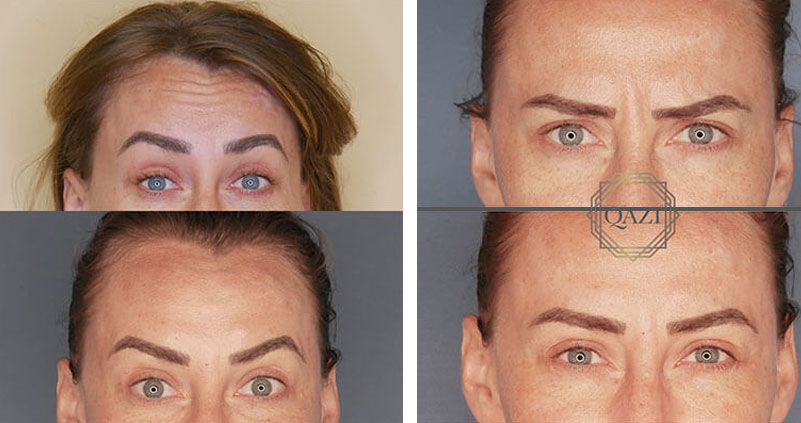
Botox for Migraine Sufferers
Migraines, characterized by debilitating headaches often accompanied by nausea, sensitivity to light and sound, and in some cases, visual disturbances, can significantly diminish the quality of life for those who experience them. While there are various treatments available to manage migraines, one unexpected hero has emerged on the scene: Botox. Beyond its widely-known cosmetic applications, Botox has become a beacon of hope for migraine sufferers, offering a new avenue of relief and improved well-being.
The Migraine Mystery: A Complex Condition
Migraines are far more than just severe headaches; they are complex neurological conditions with a range of triggers and symptoms. The exact causes of migraines are not fully understood, but factors such as genetics, hormonal changes, certain foods, stress, and environmental factors are believed to play a role. The pain and other symptoms associated with migraines can be debilitating, often leaving individuals unable to perform daily activities and leading to a diminished overall quality of life.
Botox Steps In: A Surprising Solution
In 2010, the U.S. Food and Drug Administration (FDA) approved the use of Botox as a treatment for chronic migraines. Chronic migraines are defined as experiencing headaches on 15 or more days per month, with each headache lasting for at least four hours. This groundbreaking approval marked a significant turning point in the realm of migraine management.
How Botox Works for Migraines
The mechanism by which Botox alleviates migraine symptoms is not fully understood, but it is believed to involve the inhibition of pain signals in the nervous system. Botox, when injected into specific areas of the head and neck, blocks the release of certain chemicals that are involved in pain transmission, effectively reducing the frequency and severity of migraine episodes.
The Treatment Process
A typical Botox treatment for migraines involves a series of injections administered by a qualified medical professional. The injections are strategically placed in specific muscles around the head and neck, targeting areas that are commonly associated with migraine pain. The treatment is generally well-tolerated, with minimal discomfort reported by most patients.
Efficacy and Results
Clinical trials have shown that Botox can significantly reduce the frequency of migraine episodes, as well as the intensity of pain experienced during each episode. While results can vary from person to person, many individuals experience a noticeable reduction in the number of headache days per month after undergoing Botox treatment.
Patient Selection and Considerations
Botox for migraines is typically recommended for individuals who have not responded well to other migraine treatments or who experience significant side effects from medication. It’s important to note that Botox treatment for migraines is not a cure, but rather a management tool that can provide relief for those who have been struggling to find effective solutions.
The Future of Botox for Migraines
As research in the field of migraine management continues to evolve, Botox is likely to maintain its role as a valuable option for those seeking relief. Further studies may shed light on the specific mechanisms through which Botox exerts its benefits, leading to improved treatment protocols and even better outcomes for patients.
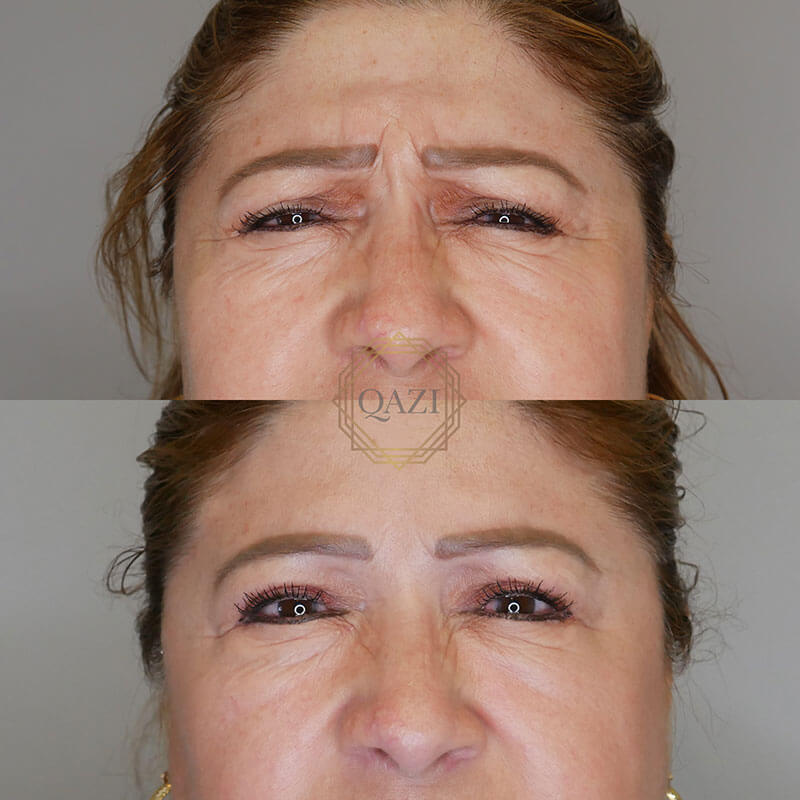
A New Dawn for Migraine Sufferers
Botox’s journey from a cosmetic enhancer to a migraine management tool underscores the vast potential of medical advancements. For migraine sufferers, Botox offers a ray of hope, providing relief from the throes of pain and enhancing overall well-being. As our understanding of both migraines and Botox continues to expand, so too does the promise of a brighter future for those seeking to regain control over their lives and conquer the pain of chronic migraines.
How Long Does Botox Last?
In the realm of aesthetic enhancements and anti-aging treatments, few substances have garnered as much attention as Botox. The remarkable ability of this injectable to smooth out wrinkles and restore a more youthful appearance has captivated the minds of many. Yet, one of the most frequently asked questions is: How long does Botox last? Understanding the duration of Botox’s effects is crucial for those considering the treatment and seeking to maintain their desired results.
The Temporary Nature of Botox
Botox, derived from the bacterium Clostridium botulinum, works its magic by temporarily paralyzing muscles responsible for causing wrinkles. By blocking nerve signals, it prevents muscle contractions that lead to the formation of lines and creases on the skin. While Botox’s effects can be transformative, it’s important to note that they are not permanent.
The Lifespan of Botox Results
On average, the effects of a Botox treatment typically last around three to four months. This timeframe can vary depending on factors such as the individual’s metabolism, the dosage administered, and the specific area treated. Some people may experience slightly longer or shorter durations of effectiveness.
Gradual Fading of Effects
As Botox begins to wear off, the treated muscles gradually regain their activity, leading to a return of muscle movement and, consequently, the re-emergence of wrinkles. However, it’s important to emphasize that the reappearance of wrinkles is not sudden; the fading of Botox’s effects is usually gradual, allowing individuals time to schedule their next treatment before the full extent of wrinkles returns.
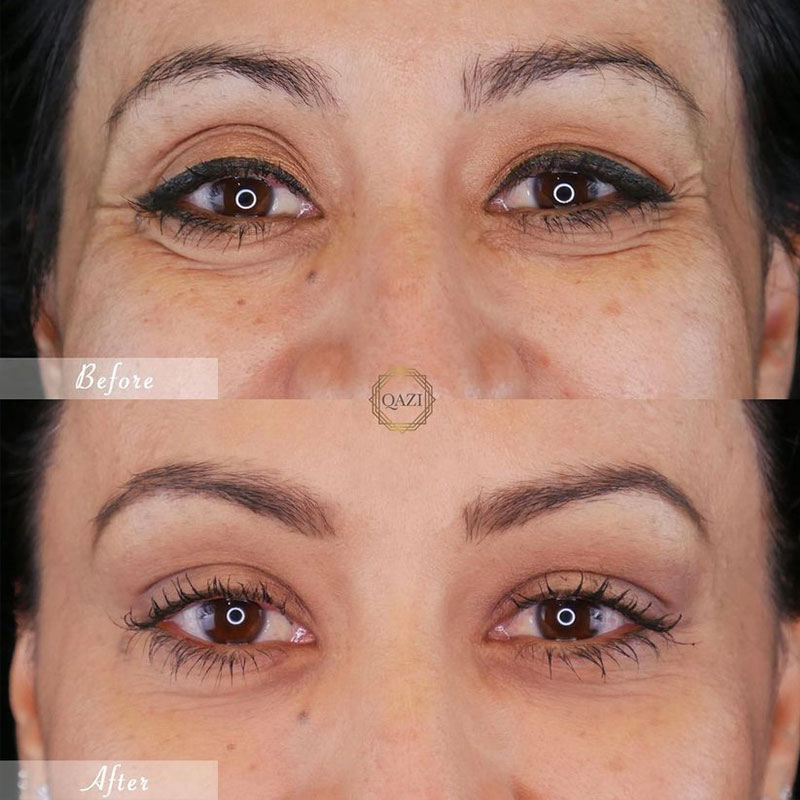
Factors Influencing Duration
Several factors can impact how long Botox lasts for an individual:
Dosage: The amount of Botox administered during a treatment session can influence its longevity. Healthcare providers tailor the dosage based on the treatment area and the patient’s specific needs.
Metabolism: A person’s metabolism can affect how quickly the body metabolizes and eliminates the Botox. Those with faster metabolisms may experience a slightly shorter duration of effects.
Muscle Activity: The activity level of the treated muscles also plays a role. Muscles that are more frequently used may cause Botox to wear off more quickly compared to muscles with less movement.
Frequency of Treatments: Consistently scheduling Botox treatments at the recommended intervals can lead to longer-lasting effects over time. Regular maintenance helps to build on the cumulative benefits of each treatment.
Maintaining Results: The Art of Timing
For individuals seeking to maintain a consistently youthful appearance, timing plays a pivotal role. Many people choose to schedule their next Botox treatment before the full effects wear off. This approach ensures that the treated muscles remain consistently relaxed, helping to prevent the deepening of existing wrinkles.
Embracing the Cycle
Understanding the duration of Botox’s effects is key to making informed decisions and managing expectations. While Botox may not provide permanent results, its ability to temporarily reverse the signs of aging is a powerful tool in the world of aesthetic enhancements. Embracing the cycle of treatments can lead to a more confident and rejuvenated version of oneself, demonstrating that the journey to maintaining a youthful appearance is as dynamic as the passage of time itself.
How Much Does Botox Cost?
In the pursuit of maintaining a youthful appearance and combating the signs of aging, Botox has emerged as a prominent solution. This non-surgical cosmetic treatment has become synonymous with wrinkle reduction and facial rejuvenation. But with great results comes the question: How much does Botox cost? Delving into the pricing intricacies of Botox treatments can provide a clearer understanding of the investment required for turning back the hands of time.
Factors Influencing Botox Costs
Botox pricing is influenced by a variety of factors, and understanding these nuances can help individuals make informed decisions about their aesthetic goals:
- Geographic Location: Botox costs can vary significantly based on the region in which you receive the treatment. Urban centers and areas with a higher cost of living may generally have higher treatment fees compared to more rural locations.
- Provider Expertise: The experience and expertise of the healthcare professional administering the Botox injections can impact the cost. Highly skilled and reputable providers may charge more for their services.
- Treatment Area: The size and location of the treatment area can influence the cost. Treating larger areas or multiple areas will likely incur higher costs compared to smaller, localized treatments.
- Botox Units: Botox is typically priced per unit, and the number of units required varies based on the treatment area and the individual’s unique needs. Areas with deeper wrinkles or stronger muscles may require more units.
- Brand and Quality: Different brands of botulinum toxin may have varying costs. Some clinics might offer alternatives to Botox, such as Dysport or Xeomin, which could have different pricing structures.
- Clinic Reputation: Established and reputable clinics may charge more for their services due to the assurance of high-quality treatment and experienced staff.
Average Botox Cost
While Botox costs can vary widely, the average price per unit typically falls within a range of $10 to $20. The exact number of units required for a specific treatment area can vary greatly. For example, treating frown lines between the eyebrows might require around 20-25 units, while treating forehead lines could need 10-20 units. Crow’s feet at the corners of the eyes might require about 15-20 units per side.
Managing Budget and Expectations
When considering Botox treatments, it’s essential to assess your budget and align your expectations accordingly:
- Consultation: Schedule a consultation with a qualified healthcare provider to discuss your treatment goals and receive a personalized assessment of the number of units needed.
- Longevity of Results: Keep in mind that while Botox provides impressive results, they are temporary. Regular maintenance treatments are required to sustain the effects over time.
- Quality Over Cost: While cost is an important factor, prioritize the expertise and reputation of the provider. Skilled professionals can help you achieve natural-looking results and minimize potential risks.
- Packages and Offers: Many clinics offer packages and promotions that can provide cost savings when bundling multiple treatments or returning for follow-up appointments.
The Value of Confidence
Botox’s cost is an investment in enhancing your confidence and maintaining a youthful appearance. While the price may vary, the boost in self-esteem and the joy of seeing smoother skin can often outweigh the financial consideration. As you embark on your aesthetic journey, approaching Botox treatments with careful consideration, an understanding of the costs, and a commitment to working with experienced professionals can lead to a more satisfying and fulfilling experience.
Botox as a Multifaceted Marvel
Botox’s remarkable journey from beauty enhancement to medical marvel underscores its transformative potential across diverse domains. As research and innovation continue to shape the understanding of this versatile substance, its applications are likely to expand, offering new avenues for improving the lives of individuals worldwide. Whether it’s erasing wrinkles or providing relief from chronic conditions, Botox exemplifies the power of scientific discovery in improving both our appearance and overall well-being.
If you’re interested in having Botox, don’t hesistate to contact Qazi Cosmetic Center in Orange County. Schedule your consultation today or you can also call or text us at (949)-336-7293 for more information.

Meet Dr. Nadir Qazi
While growing up in Chicago, I struggled for years with severe acne and scarring. Dealing with constant comments about my skin, especially from friends and family, wasn’t easy. That feeling of isolation and defeat hit me hard. Many around me were in the same position, yet there were very limited solutions available. This led me to determine my mission: to tirelessly build a unique medical practice where compassion meets science, providing proper care for every overlooked skin type and tone. At my Center, my team and I offer only clinically proven treatments that I have personally researched. My goal is to help others achieve their dreams, breaking free from the constraints of their physical appearance, and to be the support I needed the most.


