








When it comes to skin pigmentation, terms like sun spots and freckles often get mixed up. While both conditions involve darker patches on the skin, they aren’t the same thing. If you’ve noticed any of these changes and wondered how to address them, it’s important to know the difference. This knowledge can help you make more informed decisions about skincare, whether you’re considering cosmetic treatments or simply looking to protect your skin.
What Are Freckles?
Freckles are small brown spots that typically appear on areas of the body exposed to the sun, such as the face, arms, and shoulders. Freckles are often inherited and are more common in people with lighter skin tones. They result from an increase in melanin production—your body’s natural way of protecting the skin from UV rays.
Freckles tend to appear in childhood and can become more noticeable during the summer months when sun exposure is higher. While freckles are harmless, many people seek treatments to reduce their appearance for a more even skin tone.
Key Characteristics of Freckles:
- Small and evenly distributed
- Usually light brown or reddish
- Appear mostly on sun-exposed areas
- Can fade during the winter months with reduced sun exposure
What Are Sun Spots?
Sun spots, on the other hand, are larger and typically darker than freckles. These spots appear later in life and are caused by prolonged exposure to UV rays. They tend to be more common in adults and are considered a sign of skin aging. Unlike freckles, sun spots don’t fade when sun exposure decreases, making them a more permanent feature.
Also known as age spots or liver spots, sun spots are flat, pigmented areas that appear on the skin after years of UV exposure. They often show up on areas like the face, hands, shoulders, and upper back—places that get the most sun exposure.
Key Characteristics of Sun Spots:
- Larger than freckles, with irregular shapes
- Tend to be darker, ranging from light brown to black
- More common in adults, especially after the age of 40
- Often appear in clusters on areas most exposed to the sun
Can Sun Spots and Freckles Be Treated?
Luckily, there are treatments available for both conditions, allowing you to maintain a more even skin tone.
For Freckles:
Freckles can be reduced through:
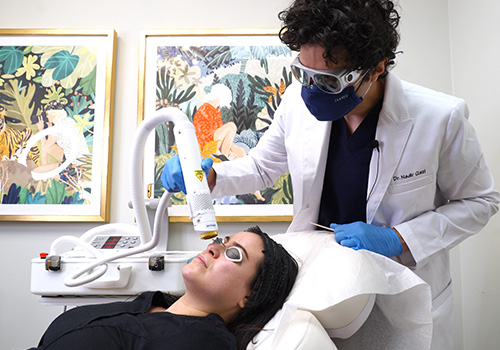
- Laser treatments: Target melanin in the skin to break it down.
- Topical creams: Containing retinoids or hydroquinone to lighten the appearance.
- Chemical peels: Remove the top layer of skin, encouraging new, freckle-free skin to grow.
For Sun Spots:
Sun spots tend to be more stubborn than freckles, but there are several effective treatments:
- Intense Pulsed Light (IPL) therapy: Helps to reduce pigmentation by targeting melanin.
- Cryotherapy: Freezes and removes sun spots.
- Microdermabrasion: Exfoliates the skin, promoting a more even complexion.
Both freckles and sun spots can also be prevented or minimized by using sunscreen regularly. This is especially important in sunny climates like Orange County, where UV exposure is a year-round concern.
Prevention Tips for Freckles and Sun Spots
Living in a sunny area like Orange County means taking extra precautions to protect your skin. Here are some tips to prevent freckles and sun spots:
- Wear sunscreen every day: Use a broad-spectrum SPF of at least 30, even on cloudy days.
- Avoid peak sun hours: Try to stay out of direct sunlight between 10 a.m. and 4 p.m.
- Use protective clothing: Hats, sunglasses, and long sleeves can help shield your skin from UV rays.
- Seek shade: When outdoors, look for shaded areas to reduce direct sun exposure.
Are Freckles and Sun Spots Harmful?
Freckles and sun spots are generally harmless, but they can be a cosmetic concern for many people. It’s important to monitor your skin regularly for any changes, especially if spots appear suddenly, change in size or color, or become raised. These could be signs of more serious conditions like skin cancer, and you should consult a healthcare provider immediately.
When to See a Doctor:
- Spots are irregular in shape or color
- The size of the spots changes over time
- The spot is painful or itchy
- There’s unexplained bleeding or crusting
Empower Your Skin with Qazi Cosmetic Center:
Freckles and sun spots may seem similar at first glance, but understanding their differences is key to managing and treating them effectively. Whether you’re looking to reduce their appearance or prevent future spots, taking proactive steps can help maintain healthy, even-toned skin. For those in Orange County, Qazi Cosmetic Center provides specialized treatments tailored to your skincare needs. Contact us at (949)-336-7293 to schedule an appointment.

Meet Dr. Nadir Qazi
While growing up in Chicago, I struggled for years with severe acne and scarring. Dealing with constant comments about my skin, especially from friends and family, wasn’t easy. That feeling of isolation and defeat hit me hard. Many around me were in the same position, yet there were very limited solutions available. This led me to determine my mission: to tirelessly build a unique medical practice where compassion meets science, providing proper care for every overlooked skin type and tone. At my Center, my team and I offer only clinically proven treatments that I have personally researched. My goal is to help others achieve their dreams, breaking free from the constraints of their physical appearance, and to be the support I needed the most.



