








Skin conditions can present a wide range of concerns, and two common conditions that may cause confusion are actinic keratosis and seborrheic keratosis. Despite their similar names, actinic keratosis and seborrheic keratosis are distinct skin conditions with different causes, characteristics, and treatment approaches. At Qazi Cosmetic Center in Orange County, owned by Dr. Qazi, we specialize in dermatological care, providing expert diagnosis and personalized treatment plans for various skin conditions. In this comprehensive guide, we will explore the differences between actinic keratosis and seborrheic keratosis, their symptoms, risk factors, and the advanced treatment options available at Qazi Cosmetic Center.
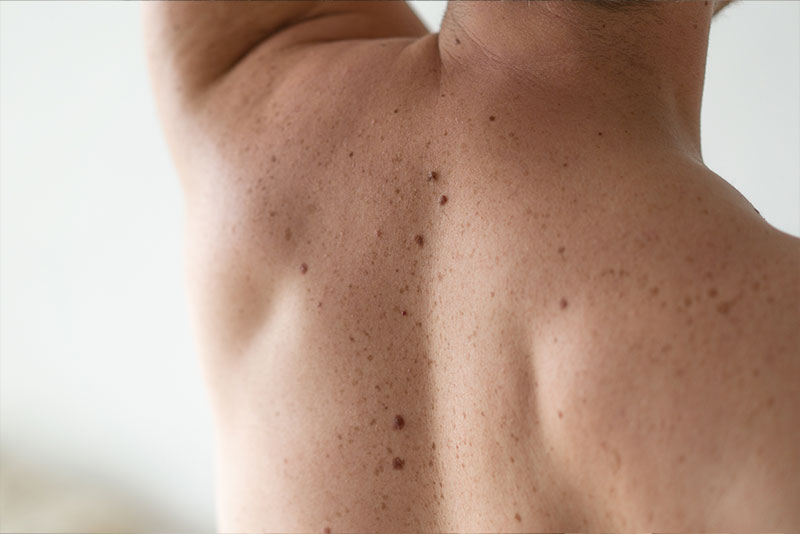
Actinic Keratosis: Sun-Induced Skin Lesions
Actinic keratosis, also known as solar keratosis or AK, is a common skin condition caused by long-term exposure to ultraviolet (UV) radiation from the sun or indoor tanning. It typically appears as dry, scaly, or crusty patches on sun-exposed areas, such as the face, scalp, ears, neck, arms, and hands.
Seborrheic Keratosis: Benign Skin Growths
Seborrheic keratosis, often abbreviated as SK, is a harmless skin condition characterized by non-cancerous, raised, and waxy lesions that can vary in color from light tan to dark brown or black. Unlike actinic keratosis, seborrheic keratosis is not caused by sun exposure but tends to occur more frequently in older adults.
Symptoms and Characteristics
Actinic Keratosis:
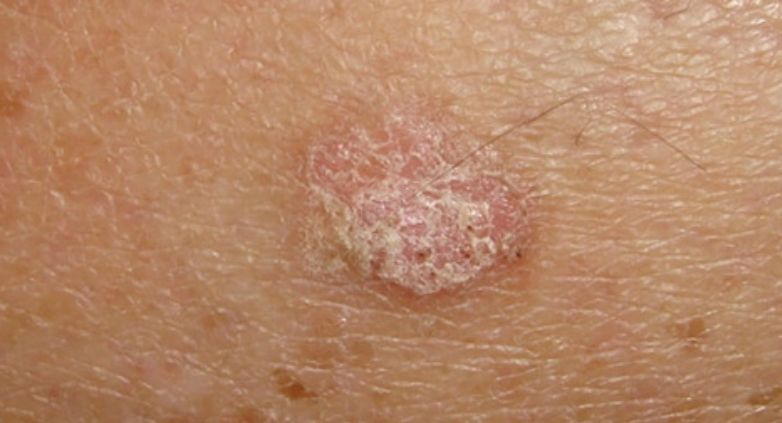
- Dry, rough, or scaly patches
- Pink, red, or brown in color
- May feel tender or itchy
- Prone to bleeding or crusting
Seborrheic Keratosis:
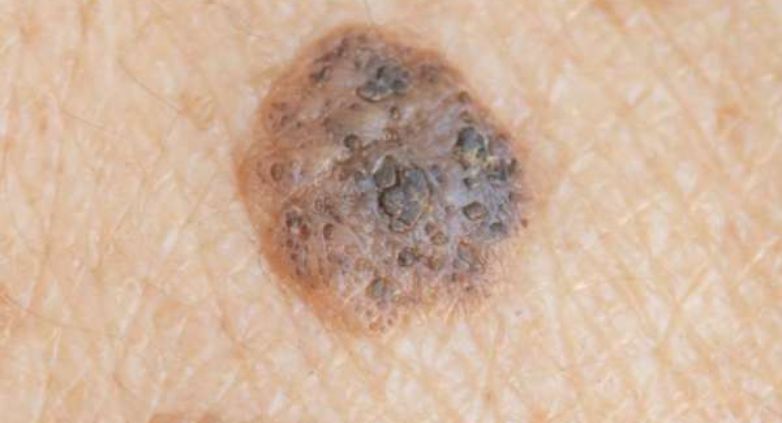
- Raised and waxy lesions
- Varying in color (light tan to dark brown or black)
- May resemble warts or have a “stuck-on” appearance
- Usually painless and do not itch
Risk Factors and Causes
Actinic Keratosis:
- Prolonged exposure to UV radiation from the sun or artificial sources
- Fair skin, light hair, and blue, green, or hazel eyes
- Advanced age
- Immunosuppression
Seborrheic Keratosis:
- Age (common in older adults)
- Genetic predisposition
- Hormonal changes
- Sun exposure is not a contributing factor
Expert Diagnosis and Treatment at Qazi Cosmetic Center
- Accurate Diagnosis: At Qazi Cosmetic Center, our experienced dermatologists provide accurate diagnoses through careful examination and, if necessary, a biopsy.
- Advanced Treatment Options: For actinic keratosis, treatments may include topical creams, cryotherapy, laser therapy, or photodynamic therapy (PDT). Seborrheic keratosis is typically removed with cryotherapy, curettage, or electrocautery.
Embrace Healthy Skin with Expert Care
If you are concerned about actinic keratosis or seborrheic keratosis, seek expert care at Qazi Cosmetic Center in Orange County. the team of skilled dermatologists provide personalized treatment plans for various skin conditions, ensuring you receive the best possible care for your skin’s health and appearance. Schedule a consultation to discuss your concerns and explore the advanced treatment options available to achieve healthy, radiant skin under the compassionate care of Qazi Cosmetic Center.

Meet Dr. Nadir Qazi
While growing up in Chicago, I struggled for years with severe acne and scarring. Dealing with constant comments about my skin, especially from friends and family, wasn’t easy. That feeling of isolation and defeat hit me hard. Many around me were in the same position, yet there were very limited solutions available. This led me to determine my mission: to tirelessly build a unique medical practice where compassion meets science, providing proper care for every overlooked skin type and tone. At my Center, my team and I offer only clinically proven treatments that I have personally researched. My goal is to help others achieve their dreams, breaking free from the constraints of their physical appearance, and to be the support I needed the most.



