








In the realm of skincare, the quest for clear skin often intersects with the challenge of addressing acne scars. Situated in the heart of Orange County, Qazi Cosmetic Center offers advanced solutions under the expert guidance of Dr. Qazi for individuals seeking to reclaim their skin’s natural beauty. This comprehensive article delves into the world of acne scars, exploring effective treatments, such as laser treatment, natural remedies, and the best practices for achieving a flawless complexion.
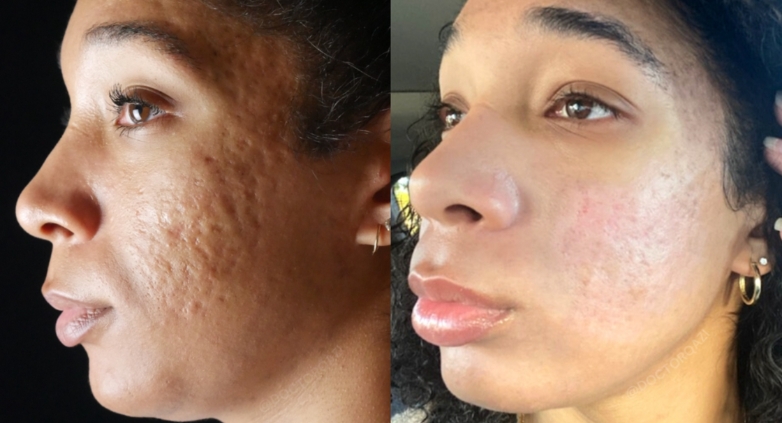
How to Get Rid of Acne Scars
Acne scars can be distressing for many individuals, but there are several treatment options available that can significantly improve their appearance. It’s important to note that the choice of treatment depends on the type, severity, and individual characteristics of the scars. Here are some commonly used methods:
Topical Treatments for Acne Scars
- Retinoids: Topical retinoids like tretinoin can help increase cell turnover and promote collagen production, which can improve the texture and appearance of scars over time.
- Vitamin C: Vitamin C serums can help lighten dark spots and improve skin tone, although their effectiveness may vary.
Chemical Peels for Acne Scars
Chemical peels involve applying a chemical solution to the skin, causing controlled exfoliation and encouraging the growth of new skin. This can help improve the appearance of mild to moderate acne scars.
Microneedling for Acne Scars
Microneedling, or collagen induction therapy, involves using a device with tiny needles to create controlled micro-injuries in the skin. This stimulates collagen production and can help improve the texture and appearance of scars.
Laser Therapy for Acne Scars
Various laser treatments, such as fractional laser therapy and intense pulsed light (IPL), can target specific layers of the skin to promote collagen remodeling and improve the appearance of scars.
Dermal Fillers for Acne Scars
Dermal fillers can be used to fill in depressed or atrophic scars, helping to raise them to the level of the surrounding skin. Results are temporary, but they can provide a smoother appearance.
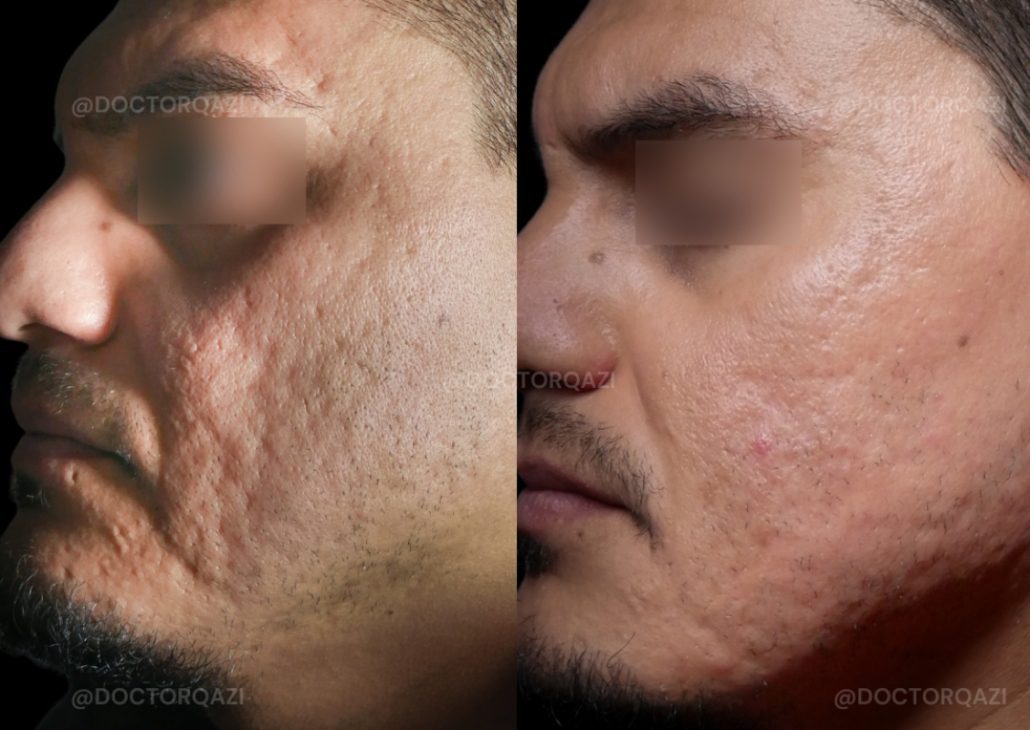
Subcision for Acne Scars
Subcision involves using a needle to break up the scar tissue underneath the skin’s surface. This technique can release the scar from deeper tissue and encourage collagen formation, which helps raise the scar and improve its appearance.
Surgical Excision for Acne Scars
For deeper or more severe scars, surgical excision might be considered. This involves physically removing the scar tissue and suturing the skin back together, leaving a finer scar.
Combination Therapies for Acne Scars
Dermatologists often combine different treatments to achieve the best results. A personalized treatment plan based on your specific scar type and skin characteristics is usually the most effective approach.
It’s important to remember that results from acne scar treatments may take time and multiple sessions. Additionally, protecting your skin from the sun with sunscreen and avoiding picking at acne lesions can help prevent further scarring.
Before undergoing any treatment, it’s advisable to consult with a dermatologist who can assess your skin condition and recommend the most appropriate treatment plan for your individual needs.
Laser Treatment for Acne Scars
Laser therapy is a popular and effective option for addressing various types of acne scars, helping to improve skin texture, tone, and overall appearance. There are several types of lasers used for acne scar treatment, each with its own mechanism of action and benefits. Here’s an overview of laser treatment for acne scars:
Types of Lasers Used for Acne Scar Treatment
Fractional Laser Therapy for Acne Scars
- Fractional lasers create microscopic columns of thermal injury in the skin, leaving healthy tissue around them. This promotes the growth of new collagen and elastin fibers, improving the appearance of scars.
- Common types include fractional CO2 lasers and fractional erbium lasers. These are suitable for various scar types, including atrophic (depressed) scars and textural irregularities.
Non-Ablative Lasers for Acne Scars
- Non-ablative lasers, like the 1540-nm fractional laser, target water in the skin’s deeper layers without damaging the surface. They stimulate collagen production and are generally milder with minimal downtime compared to ablative lasers.
Ablative Lasers for Acne Scars
- Ablative lasers, such as CO2 or erbium lasers, vaporize the skin’s top layer, inducing controlled damage and encouraging skin remodeling. These lasers are typically used for deeper scars and can require a longer recovery period.
Pulsed Dye Lasers (PDL) for Acne Scars
- PDL lasers target blood vessels in the skin, which can help reduce redness and hyperpigmentation associated with acne scars, making them suitable for vascular or red scars.
Intense Pulsed Light (IPL) for Acne Scars
- Although not a true laser, IPL uses multiple wavelengths of light to target various skin concerns, including redness and pigmentation associated with certain types of acne scars.
How Laser Treatment Works for Acne Scars
Laser treatment for acne scars works by delivering controlled energy to the skin. The energy heats up and remodels the existing collagen while stimulating the production of new collagen and elastin fibers. This process helps to smooth out the skin’s texture, reduce the appearance of scars, and improve overall skin tone.
Benefits
- Customization: Different types of lasers can be tailored to specific scar types and skin tones, allowing for personalized treatment plans.
- Minimal Downtime: Many modern lasers have minimal downtime compared to traditional ablative lasers, making them more convenient for individuals with busy schedules.
- Progressive Improvement: Results from laser treatments often continue to improve over several months as collagen production is stimulated.
- Precision: Lasers can target specific areas of the skin, making them effective for treating localized scar types.
Considerations
- Number of Sessions: Multiple treatment sessions are usually required for optimal results, often spaced several weeks apart.
- Acne Scar Laser Downtime: While some lasers have minimal downtime, more aggressive treatments might involve redness, swelling, and peeling that can last for a week or more.
- Post-Treatment Care: Proper post-treatment care, including sun protection and gentle skincare, is essential to support healing and achieve the best results.
Consultation with a Dermatologist
Laser treatments for acne scars should always be performed by trained professionals, preferably dermatologists or plastic surgeons, who can evaluate your skin, recommend the most suitable laser, and customize a treatment plan based on your specific needs and scar types. There is no one size fits all or best treatment for acne scars.
It’s important to note that results can vary based on individual factors such as skin type, scar severity, and adherence to post-treatment care. Consulting a dermatologist is crucial to determine the best approach for your particular situation and to achieve the desired outcome effectively and safely.
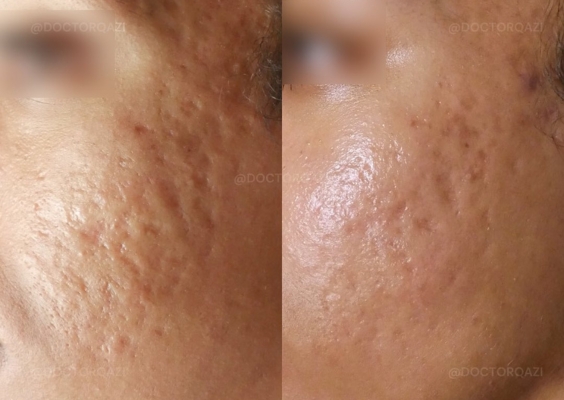
Removing Acne Scars Naturally in a Week
Completely removing acne scars naturally in just a week is an unrealistic expectation. Acne scars are the result of damage to the skin’s underlying structures, and it takes time for the skin to heal and regenerate. While there are some natural remedies that might help improve the appearance of acne scars over time, expecting significant results within a week is not realistic. It’s important to manage your expectations and approach scar treatment with a long-term perspective.
Here are some natural approaches that might contribute to gradual improvement in the appearance of acne scars over time:
Aloe Vera
- Aloe vera has soothing and anti-inflammatory properties. It may help reduce redness and inflammation associated with scars. Apply pure aloe vera gel to the affected areas regularly.
Honey
- Honey has antimicrobial and wound-healing properties. It can be applied to scars to promote healing and moisture retention.
Lemon Juice
- Lemon juice contains vitamin C, which can help lighten hyperpigmented scars over time. However, it can be irritating to sensitive skin and should be used with caution. Dilute lemon juice before applying it to the skin.
Coconut Oil
- Coconut oil can provide moisture to the skin and improve its texture. However, it might not be suitable for all skin types and could potentially cause breakouts in some individuals.
Rosehip Seed Oil
- Rosehip seed oil is rich in essential fatty acids and vitamin A, which can support skin regeneration and improve its overall appearance.
Gentle Exfoliation
- Mild exfoliation with ingredients like oatmeal, yogurt, or baking soda can help remove dead skin cells, promoting skin renewal. However, excessive exfoliation can irritate the skin and worsen scars.
Hydration and Nutrition
- Staying hydrated and maintaining a balanced diet rich in vitamins, antioxidants, and essential nutrients can support skin health and healing.
It’s crucial to exercise caution when using natural remedies on your skin, as some ingredients might cause allergies, irritation, or worsen the condition. Before trying any natural remedies, it’s recommended to do a patch test on a small area of your skin to check for any adverse reactions.
For more significant and reliable results in treating acne scars, I strongly recommend consulting a board-certified physician who specializes in acne scars. They can provide professional advice, suggest appropriate treatments, and create a tailored plan that takes into account your specific scar type and skin condition. Treatments such as laser therapy, microneedling, chemical peels, and medical-grade skincare products are likely to yield more noticeable and lasting improvements in the appearance of acne scars over time, though these treatments require more than a week to see results.
What Helps with Acne Scars
Acne scars can be challenging to treat, but there are various approaches that can help improve their appearance over time. It’s important to note that the effectiveness of these treatments can vary based on the type and severity of the scars, as well as individual factors. Here’s what can help acne scars:
Professional Treatments
- Laser Therapy: Fractional laser treatments, including fractional CO2 and erbium lasers, stimulate collagen production and remodel scar tissue, resulting in smoother skin texture.
- Microneedling: This procedure involves creating controlled micro-injuries in the skin to stimulate collagen production, which can help improve the appearance of scars over time.
- Chemical Peels: Chemical peels exfoliate the skin’s top layers, encouraging cell turnover and reducing the appearance of scars and hyperpigmentation.
- Dermal Fillers: Injectable fillers can temporarily raise depressed scars, providing smoother skin texture.
- Subcision: This procedure involves breaking up scar tissue to release depressed scars from underlying tissue, allowing the scars to rise and improve in appearance.
- Surgical Excision: For certain types of scars, surgical removal and closure may be recommended.
Topical Treatments
- Retinoids: Topical retinoids like tretinoin can stimulate collagen production, improve skin texture, and gradually reduce the appearance of scars.
- Vitamin C: Vitamin C serums can help lighten hyperpigmentation and promote collagen synthesis, improving skin texture and tone.
- Niacinamide: This ingredient has anti-inflammatory properties and can help improve the overall appearance of the skin, including scars.
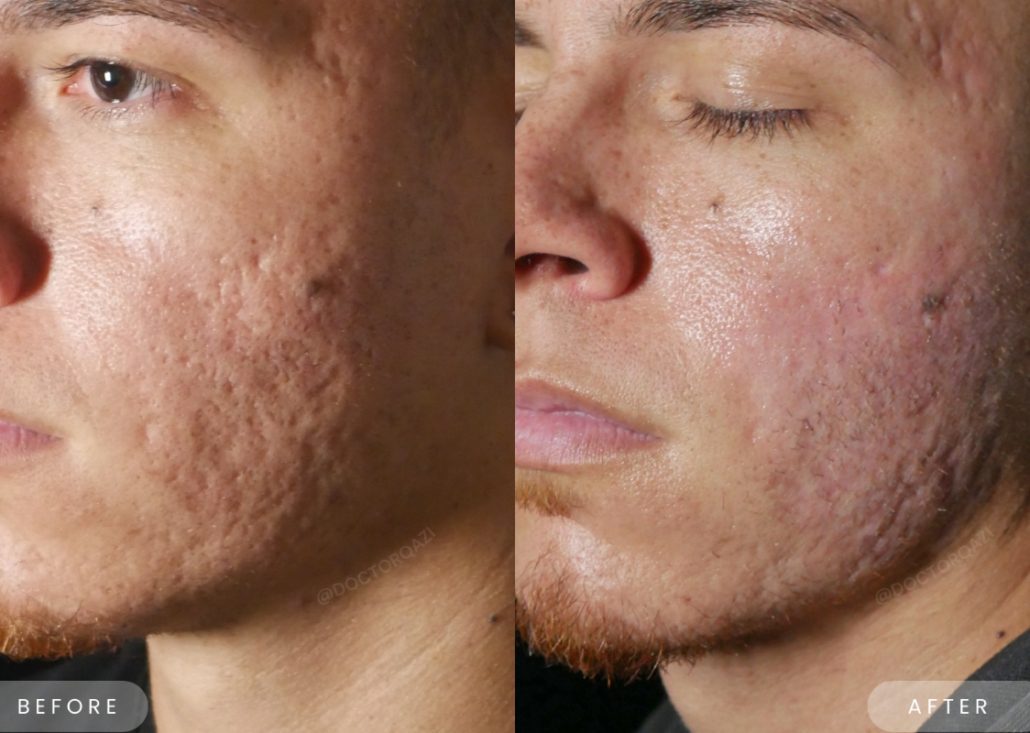
Medical-Grade Skincare
Dermatologist-prescribed or recommended skincare products can contain higher concentrations of active ingredients to target specific skin concerns and improve the appearance of scars.
Sun Protection
- Protecting your skin from the sun’s harmful UV rays is crucial. Sun exposure can worsen the appearance of scars by causing hyperpigmentation and slowing down the healing process.
Patience and Consistency
- Treating acne scars takes time and consistent effort. Results may not be immediate, but improvements can be seen over weeks to months.
Combination Therapies
- Dermatologists often recommend combining different treatments to address various aspects of scars for more comprehensive results.
Prevent Further Acne
- Preventing new acne breakouts can help prevent further scarring. Consult a dermatologist for an effective acne management plan.
Healthy Lifestyle
- A balanced diet, staying hydrated, and managing stress can support skin health and overall healing.
Consultation with a Dermatologist
- A dermatologist can assess your specific scar type, skin condition, and medical history to recommend the most appropriate treatment plan for your individual needs.
Remember that individual results can vary, and it’s important to have realistic expectations about the outcome of treatments. Consulting a dermatologist is essential to receive personalized advice and develop a treatment plan tailored to your specific situation.
Why Choose Qazi Cosmetic Center for Acne Scar Treatments
Qazi Cosmetic Center, led by Dr. Qazi, is dedicated to helping individuals achieve their skincare goals through advanced techniques and personalized care. With a commitment to patient education, exceptional outcomes, and overall well-being, the center offers a supportive environment for each patient’s transformative journey.
Dr. Qazi’s expertise ensures that acne scar treatments are tailored to the individual’s skin type, scar type, and desired results. The center’s team understands that achieving clear and radiant skin requires a comprehensive approach that considers both the physical and emotional aspects of skin health.
Contact Qazi Cosmetic Center Today
Are you ready to embrace the journey to clearer, more radiant skin? Contact Qazi Cosmetic Center today at (949) 336-7293 to schedule your consultation. Dr. Qazi and his dedicated team are excited to guide you through your transformative skincare journey.
Reveal Your Skin’s Natural Beauty
In a world that values self-confidence and self-expression, clear and radiant skin stands as a powerful testament to an individual’s well-being. Qazi Cosmetic Center understands that achieving skin health requires a combination of advanced treatments, personalized care, and lifestyle considerations.
Embrace the journey to clearer, more radiant skin with expert guidance from Qazi Cosmetic Center. Each step is an opportunity to empower your skin’s healing and reveal its natural beauty. Qazi Cosmetic Center is your partner on this transformative journey, dedicated to helping you achieve your skincare goals and embrace a confident, radiant you.

Meet Dr. Nadir Qazi
While growing up in Chicago, I struggled for years with severe acne and scarring. Dealing with constant comments about my skin, especially from friends and family, wasn’t easy. That feeling of isolation and defeat hit me hard. Many around me were in the same position, yet there were very limited solutions available. This led me to determine my mission: to tirelessly build a unique medical practice where compassion meets science, providing proper care for every overlooked skin type and tone. At my Center, my team and I offer only clinically proven treatments that I have personally researched. My goal is to help others achieve their dreams, breaking free from the constraints of their physical appearance, and to be the support I needed the most.



